
Whether You're A Small Business, Startup or A Professional,
Give Your Brand A Powerful Digital Footprint
That's Loved by Search Engines & AI Engines Equally
For A Price That's Industry Best...☝

How to Cut and Fabricate Steel Tubing Efficiently in Commercial Projects
Commercial projects involving steel tubing will involve accuracy, planning and appropriate tools. Cutting and fabrication of steel tubing can be done efficiently to save time as well as guarantee structural integrity and minimize wastes. The knowledge of the correct methods and precautions can enhance the results of the project and reduce the material expenses.
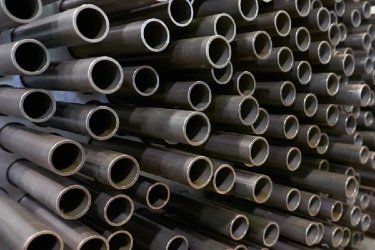 The fabrication process begins with the proper planning and measurement. Every piece of tubing needs to be labeled correctly as per project specifications. Measurement errors may cause expensive errors and time loss. When professionals set a clear plan and workflow prior to cutting, they will be able to have consistency and enhance the general efficiency of commercial fabrication work.
The selection of the right cutting tools that are used in cutting the steel tubing is important both in terms of safety and accuracy. Band saws, tube cutters, abrasive saws, etc. each have their respective benefits based on the nature and thickness of the tubing in use. The maintenance of tools and keeping them sharp may help to save the work and enhance the quality of the cut.
Efficiency can also be enhanced by using automated or assisted cutting equipment particularly in large commercial projects. Uniformity of cuts minimizes rework and assists in preserving a professional finish. The choice and maintenance of tools directly influence the rate and quality of the steel tubing fabrication.
Prior to cutting, steel tubing must be washed and examined against defects. Cleaning of the dirt, rust or debris makes the cutting process smoother and the chances of damaging the tubing and tools are minimized. Checking the tubing to ensure it is free of cracks or other weak points will avoid structural failures in the completed project.
Another very important step is to mark and secure the tubing. The tubing is fixed in place with clamps or fixtures and this prevents any deviation in lines and angles. The ability to take time to prepare the material helps avoid mistakes and facilitates an effective workflow in a commercial environment.
Proper cutting entails knowledge of angles, measurements and speed of cutting. Jigs and guides are used to make sure that cuts are straight and up to the required specifications. This is especially essential to intricate projects wherein several parts are needed to fit in with each other through accuracy.
A steady speed and pressure when cutting will not allow the tubing to become distorted or warped. To test the settings and technique, professionals usually cut scrap pieces and then proceed with the actual project. The precision achieved by precise technique minimizes wastes of materials and enhances efficiency of the project.
Fabrication is not limited to cutting, bending, welding, and joining of tubing pieces are important in shaping up the end structure. The correct application of heat on the joints and clean joints are also proper welding techniques that increase the strength and durability of the welded tubing.
Bending the equipment with accurate precise devices will help in achieving the project requirements by the curves and angles without reducing the structural integrity. In commercial projects, accurate fabrication saves time and resources used in making a project since there is less time lost in making corrections during assembly.
When cutting and fabricating steel tubing, safety is a huge concern. Welding and cutting of sharp edges, flying objects, or sparks that cut the face should be prevented with protective equipment, such as gloves, goggles, and face masks.
When dealing with fume producing or dust producing materials, it is important to follow the proper ventilation protocols. Safety practices ensure the safety of workers and facilitate a more effective working environment through reducing accidents and downtimes.
 Planning the use of tubing to reduce wastage is also an efficient way of fabrication. Careful layout and planning of the measurements assure that every cut is made to make the maximum use of the material and leave behind minimal scraps.
In procuring materials, one should select suppliers whom they can trust and availability. Professionals tend to add related materials to steel tubing projects, and many currently buy aluminum sheet metal online to add to steel materials in mixed-metal projects. The careful material planning will help in cost efficiency and the success of the project.
Tools that are used in cutting and fabrication should be maintained regularly to maintain efficiency in the long run. Sharp edges or ill-adjusted machines may slow down the process and affect the precision.
A tidy working environment with no clutter helps in accelerating work and minimizing chances of accidents. A shop that is well maintained enables professionals to concentrate on accuracy and speed and eventually on the quality of the steel tubing fabrication and its efficiency.
Conclusion
Commercial projects that involve cutting and fabrication of steel tubing need proper planning, tools and concern regarding safety. By learning to measure, cut and handle their materials, practitioners can achieve quality output and minimize wastage and time loss.
Good maintenance practices and strategies of planning materials would make sure that projects are on time and on budget. The ability to combine technical expertise with a conscious approach to the workflow is the secret to efficiency and accuracy in the fabrics of steel tubing.
The fabrication process begins with the proper planning and measurement. Every piece of tubing needs to be labeled correctly as per project specifications. Measurement errors may cause expensive errors and time loss. When professionals set a clear plan and workflow prior to cutting, they will be able to have consistency and enhance the general efficiency of commercial fabrication work.Selecting the Right Tools for Cutting Steel Tubing
The selection of the right cutting tools that are used in cutting the steel tubing is important both in terms of safety and accuracy. Band saws, tube cutters, abrasive saws, etc. each have their respective benefits based on the nature and thickness of the tubing in use. The maintenance of tools and keeping them sharp may help to save the work and enhance the quality of the cut.
Efficiency can also be enhanced by using automated or assisted cutting equipment particularly in large commercial projects. Uniformity of cuts minimizes rework and assists in preserving a professional finish. The choice and maintenance of tools directly influence the rate and quality of the steel tubing fabrication.
Preparing Steel Tubing for Fabrication
Prior to cutting, steel tubing must be washed and examined against defects. Cleaning of the dirt, rust or debris makes the cutting process smoother and the chances of damaging the tubing and tools are minimized. Checking the tubing to ensure it is free of cracks or other weak points will avoid structural failures in the completed project.
Another very important step is to mark and secure the tubing. The tubing is fixed in place with clamps or fixtures and this prevents any deviation in lines and angles. The ability to take time to prepare the material helps avoid mistakes and facilitates an effective workflow in a commercial environment.
Techniques for Accurate Cutting
Proper cutting entails knowledge of angles, measurements and speed of cutting. Jigs and guides are used to make sure that cuts are straight and up to the required specifications. This is especially essential to intricate projects wherein several parts are needed to fit in with each other through accuracy.
A steady speed and pressure when cutting will not allow the tubing to become distorted or warped. To test the settings and technique, professionals usually cut scrap pieces and then proceed with the actual project. The precision achieved by precise technique minimizes wastes of materials and enhances efficiency of the project.
Fabricating Steel Tubing for Assembly
Fabrication is not limited to cutting, bending, welding, and joining of tubing pieces are important in shaping up the end structure. The correct application of heat on the joints and clean joints are also proper welding techniques that increase the strength and durability of the welded tubing.
Bending the equipment with accurate precise devices will help in achieving the project requirements by the curves and angles without reducing the structural integrity. In commercial projects, accurate fabrication saves time and resources used in making a project since there is less time lost in making corrections during assembly.
Safety Considerations in Steel Tubing Work
When cutting and fabricating steel tubing, safety is a huge concern. Welding and cutting of sharp edges, flying objects, or sparks that cut the face should be prevented with protective equipment, such as gloves, goggles, and face masks.
When dealing with fume producing or dust producing materials, it is important to follow the proper ventilation protocols. Safety practices ensure the safety of workers and facilitate a more effective working environment through reducing accidents and downtimes.
Planning Material Usage Efficiently
Planning the use of tubing to reduce wastage is also an efficient way of fabrication. Careful layout and planning of the measurements assure that every cut is made to make the maximum use of the material and leave behind minimal scraps.In procuring materials, one should select suppliers whom they can trust and availability. Professionals tend to add related materials to steel tubing projects, and many currently buy aluminum sheet metal online to add to steel materials in mixed-metal projects. The careful material planning will help in cost efficiency and the success of the project.
Maintaining Tools and Workspaces
Tools that are used in cutting and fabrication should be maintained regularly to maintain efficiency in the long run. Sharp edges or ill-adjusted machines may slow down the process and affect the precision.
A tidy working environment with no clutter helps in accelerating work and minimizing chances of accidents. A shop that is well maintained enables professionals to concentrate on accuracy and speed and eventually on the quality of the steel tubing fabrication and its efficiency.
Conclusion
Commercial projects that involve cutting and fabrication of steel tubing need proper planning, tools and concern regarding safety. By learning to measure, cut and handle their materials, practitioners can achieve quality output and minimize wastage and time loss.
Good maintenance practices and strategies of planning materials would make sure that projects are on time and on budget. The ability to combine technical expertise with a conscious approach to the workflow is the secret to efficiency and accuracy in the fabrics of steel tubing.
Copyrights © 2026 Inspiration Unlimited - iU - Online Global Positivity Media
Any facts, figures or references stated here are made by the author & don't reflect the endorsement of iU at all times unless otherwise drafted by official staff at iU. A part [small/large] could be AI generated content at times and it's inevitable today. If you have a feedback particularly with regards to that, feel free to let us know. This article was first published here on 7th April 2026.
Want to Publish About Your Business / Achievements
Get in TOUCH Right Away!

All chats are end-to-end encrypted by WhatsApp and won't be shared anywhere [won't be stored either].


Whether You're A Small Business, Startup or A Professional,
Give Your Brand A Powerful Digital Footprint
That's Loved by Search Engines & AI Engines Equally
For A Price That's Industry Best...☝