
Whether You're A Small Business, Startup or A Professional,
Give Your Brand A Powerful Digital Footprint
That's Loved by Search Engines & AI Engines Equally
For A Price That's Industry Best...☝

How to Use Customer Relationship Management Tools to Grow Your Business
As a business owner, you are always looking for ways to grow and expand your business. One of the most effective ways to achieve this is by building and nurturing strong relationships with your customers. This is where customer relationship management (CRM) tools come into play. CRM tools are designed to help you manage your interactions with customers and potential customers, and can provide you with valuable insights into their behavior and preferences.
 Did you know that according to a study by Forbes, companies that prioritize customer service and engagement are 60% more profitable
than those that do not? In addition, another study by Salesforce found that 86% of consumers
are willing to pay more for a better customer experience. These statistics demonstrate the importance of customer relationship management in growing your business.
So, how can you use CRM tools to grow your business? Here are some key points to consider:
1. Centralize Customer Data:
One of the main benefits of CRM tools is that they allow you to centralize all your customer data in one place. This can include information such as customer contact details, purchase history, and feedback. By having all this information in one place, you can get a more complete view of your customers and tailor your interactions with them accordingly.
2. Automate Routine Tasks:
CRM tools can also help automate routine tasks such as sending follow-up emails or scheduling appointments. By automating these tasks, you can free up time to focus on more important activities such as developing new products or services.
3. Personalize Interactions:
With the help of CRM tools, you can personalize your interactions with customers based on their preferences and behavior. For example, you can send targeted marketing emails to customers who have expressed interest in a particular product or service.
4. Track Customer Interactions:
CRM tools also allow you to track customer interactions across multiple channels such as email, social media, and phone. This can help you identify patterns in customer behavior and adjust your approach accordingly.
5. Analyze Customer Data:
By analyzing customer data, you can gain insights into their preferences and behavior. For example, you can identify which products or services are most popular among your customers and adjust your marketing strategy accordingly.
6. Identify Opportunities:
CRM tools can also help you identify opportunities for cross-selling or upselling. For example, if a customer frequently purchases a particular product, you can suggest complementary products or services that they may also be interested in.
7. Measure Success:
CRM tools can help you measure the success of your customer relationship management efforts. By tracking metrics such as customer retention rates and customer satisfaction scores, you can identify areas for improvement and adjust your approach accordingly.
8. Improve Customer Service:
 With the help of CRM tools, you can improve your customer service by providing quick and efficient support. By tracking customer inquiries and complaints, you can respond promptly and provide personalized solutions to their problems.
9. Foster Customer Loyalty:
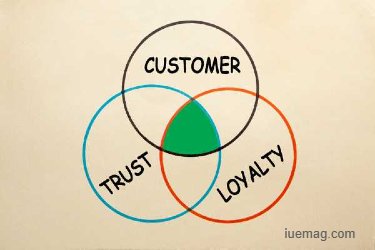
By using CRM tools to personalize your interactions and provide excellent customer service, you can foster customer loyalty. Loyal customers are more likely to continue doing business with you and refer their friends and family to your business.
10. Increase Sales Efficiency:
CRM tools can also help you increase sales efficiency by providing your sales team with valuable insights into customer behavior and preferences. By focusing on high-value leads, you can close deals faster and more effectively.
11. Streamline Marketing Efforts:
By analyzing customer data, CRM tools can help you streamline your marketing efforts. You can identify which marketing channels are most effective and adjust your strategy accordingly.
12. Improve Product Development:
By tracking customer feedback and preferences, CRM tools can help you improve your products or services. You can identify areas for improvement and make necessary changes to meet customer needs.
Conclusion:
Customer relationship management tools are essential for any business looking to grow and expand. With these benefits of CRM Tools, you can build strong relationships with your customers and drive long-term growth for your business. Remember, the key to successful customer relationship management is to focus on building trust and providing value to your customers.
Did you know that according to a study by Forbes, companies that prioritize customer service and engagement are 60% more profitablethan those that do not? In addition, another study by Salesforce found that 86% of consumers
are willing to pay more for a better customer experience. These statistics demonstrate the importance of customer relationship management in growing your business.
So, how can you use CRM tools to grow your business? Here are some key points to consider:
1. Centralize Customer Data:
One of the main benefits of CRM tools is that they allow you to centralize all your customer data in one place. This can include information such as customer contact details, purchase history, and feedback. By having all this information in one place, you can get a more complete view of your customers and tailor your interactions with them accordingly.
2. Automate Routine Tasks:
CRM tools can also help automate routine tasks such as sending follow-up emails or scheduling appointments. By automating these tasks, you can free up time to focus on more important activities such as developing new products or services.
3. Personalize Interactions:
With the help of CRM tools, you can personalize your interactions with customers based on their preferences and behavior. For example, you can send targeted marketing emails to customers who have expressed interest in a particular product or service.
4. Track Customer Interactions:
CRM tools also allow you to track customer interactions across multiple channels such as email, social media, and phone. This can help you identify patterns in customer behavior and adjust your approach accordingly.
5. Analyze Customer Data:
By analyzing customer data, you can gain insights into their preferences and behavior. For example, you can identify which products or services are most popular among your customers and adjust your marketing strategy accordingly.
6. Identify Opportunities:
CRM tools can also help you identify opportunities for cross-selling or upselling. For example, if a customer frequently purchases a particular product, you can suggest complementary products or services that they may also be interested in.
7. Measure Success:
CRM tools can help you measure the success of your customer relationship management efforts. By tracking metrics such as customer retention rates and customer satisfaction scores, you can identify areas for improvement and adjust your approach accordingly.
8. Improve Customer Service:
With the help of CRM tools, you can improve your customer service by providing quick and efficient support. By tracking customer inquiries and complaints, you can respond promptly and provide personalized solutions to their problems.9. Foster Customer Loyalty:
By using CRM tools to personalize your interactions and provide excellent customer service, you can foster customer loyalty. Loyal customers are more likely to continue doing business with you and refer their friends and family to your business.
10. Increase Sales Efficiency:
CRM tools can also help you increase sales efficiency by providing your sales team with valuable insights into customer behavior and preferences. By focusing on high-value leads, you can close deals faster and more effectively.
11. Streamline Marketing Efforts:
By analyzing customer data, CRM tools can help you streamline your marketing efforts. You can identify which marketing channels are most effective and adjust your strategy accordingly.
12. Improve Product Development:
By tracking customer feedback and preferences, CRM tools can help you improve your products or services. You can identify areas for improvement and make necessary changes to meet customer needs.
Conclusion:
Customer relationship management tools are essential for any business looking to grow and expand. With these benefits of CRM Tools, you can build strong relationships with your customers and drive long-term growth for your business. Remember, the key to successful customer relationship management is to focus on building trust and providing value to your customers.
Copyrights © 2026 Inspiration Unlimited - iU - Online Global Positivity Media
Any facts, figures or references stated here are made by the author & don't reflect the endorsement of iU at all times unless otherwise drafted by official staff at iU. A part [small/large] could be AI generated content at times and it's inevitable today. If you have a feedback particularly with regards to that, feel free to let us know. This article was first published here on 8th December 2025.
Want to Publish About Your Business / Achievements
Get in TOUCH Right Away!

All chats are end-to-end encrypted by WhatsApp and won't be shared anywhere [won't be stored either].


Whether You're A Small Business, Startup or A Professional,
Give Your Brand A Powerful Digital Footprint
That's Loved by Search Engines & AI Engines Equally
For A Price That's Industry Best...☝