
Whether You're A Small Business, Startup or A Professional,
Give Your Brand A Powerful Digital Footprint
That's Loved by Search Engines & AI Engines Equally
For A Price That's Industry Best...☝

Common Signs That Indicate You Need New Tires
Your tires are one of the most important parts of your vehicle, yet many drivers don’t realize when they need replacing. Worn-out tires can reduce grip, increase braking distance, and even cause dangerous blowouts. Recognizing the warning signs early can save you money, improve safety, and make your drives smoother.
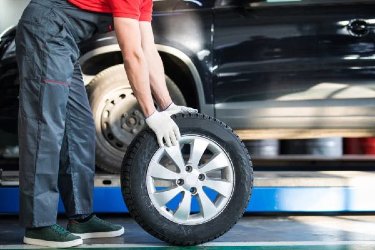 In this article, we’ll guide you through the most common signs that indicate it’s time for new tires, from uneven tread wear to unusual vibrations. By learning what to watch for, you can stay safe on the road and avoid unexpected tire problems before they become serious.
The 60-Second Tire Check You Should Do Before Every Trip
You don't need mechanic credentials to catch dangerous tire problems early. Think of this quick scan as your coffee-before-driving ritual, except it might actually save your life. Circle your vehicle and examine each tire.
You're hunting for uneven tread patterns, bulges poking from the sidewall, nails or screws wedged in the rubber, and any splits or cuts. Your spare tire counts too, don't overlook it just because it's hidden away. Front and rear tires degrade at different rates, so checking all four isn't overkill. Spot anything suspicious? Investigate further before turning the ignition.
Tread Depth Zones, From Safe to Seriously Risky
Your tire's tread depth controls traction. Period. Rain, snow, emergency braking, it all depends on adequate depth. Understanding how to know if you need new tires begins right here.
When "replace soon" becomes "replace yesterday"
Those little indicator blocks molded into your tread? They hit flush when depth reaches 1.6mm. That's your absolute deadline. But smart drivers replace earlier, around 4/32" if you see frequent rain, and 5/32" when snow's in the forecast. Waiting until you're at the legal minimum means you've already sacrificed significant wet-weather grip.
Wear bars aren't just binary indicators
Before you start shopping for replacements, whether you need 245/50R20 tires or something else entirely, check *where* your wear bars are showing. If they're flush in patches rather than uniformly across the width, you've got alignment trouble, suspension issues, or you've skipped too many rotations. Address that underlying problem before mounting fresh rubber, or you'll burn through the new set just as fast.
The siping fade nobody talks about
Those narrow slits cut into tread blocks, called sipes, deliver crucial wet grip. When they disappear, your rainy-day traction tanks even if overall depth still looks okay. If wet braking performance has quietly gotten worse, inspect those sipes alongside depth measurements. Sometimes your tires feel sketchy before they actually look worn out.
Weird Wear Patterns, What They Mean and What Broke
Uneven tire wear is never random. It's your car screaming that something's wrong. Decode these patterns and fix the root cause before spending money on replacements.
One-shoulder wear means alignment's gone
When one edge wears dramatically faster than the other, alignment is almost always off. Your vehicle might pull subtly even when you're holding the wheel straight. Get alignment checked and corrected *before* mounting new tires, otherwise you're just setting money on fire.
Middle vs. edges: your inflation pressure tells the story
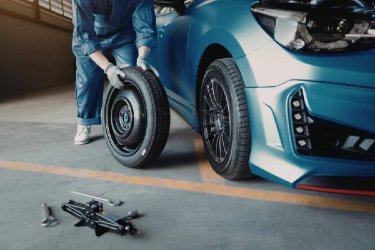 Wear concentrated in the center? You're overinflating. Wear on both outer edges? Underinflation. Check your cold tire pressure against the spec printed on your driver's door jamb, ignore the max PSI stamped on the tire sidewall, that's not your target. Adjust pressure, then verify it weekly for a month.
Sidewall Damage Isn't Negotiable, Replace These Immediately
Sidewall integrity keeps your tire from catastrophic failure. Some damage simply can't be fixed. Only replacement keeps you safe.
Bulges are ticking time bombs
See a bubble or bulge protruding from the sidewall? Internal cords have snapped. This can rupture violently at freeway speeds with zero warning. Don't patch it. Don't "monitor" it. Replace it today.
Cracks reveal aging and environmental assault
Deep fissures in sidewalls or between tread blocks signal UV damage, ozone exposure, and age-related breakdown. If cracking is extensive or exposes internal cords, replacement isn't optional. Minor surface checking might be cosmetic, but deep cracks are life-threatening.
Not every puncture can be repaired
idewall punctures, shoulder damage, multiple punctures clustered together, or driving on a flat tire, all these scenarios require replacement. When repair *is* viable, demand an internal patch-plug combination. That's the gold-standard repair method for long-term safety.
Your Car's Trying to Tell You Something, Listen to These Symptoms
Vibrations, pulling, and sounds are your vehicle's language. Learn to interpret these signals before they become breakdowns.
Speed-sensitive steering wheel shake
Imbalance, belt separation, or uneven wear typically create vibrations tied to specific speed ranges. If the shake intensifies rapidly over just a few days, prioritize an inspection, you might be witnessing the early stages of belt separation.
Persistent pull despite proper inflation
If your car drifts consistently left or right even after correcting tire pressure, you're dealing with conicity (a manufacturing quirk), uneven wear, or alignment problems. Try cross-rotating the front tires. If the pull migrates with the tire, the tire itself is defective.
Tire Age Matters More Than Most People Realize
Mileage isn't the only clock ticking. Calendar age degrades tires regardless of how many miles you've driven.
The age limits that prevent sudden blowouts
Most tires have functional lifespans ranging from six to ten years depending on type and usage conditions .Plan replacement around the six-year mark and treat ten years as the absolute maximum, even with healthy-looking tread. Find the DOT code molded into the sidewall, the last four digits reveal manufacturing week and year.
Leverage Technology to Stay Ahead of Tire Failures
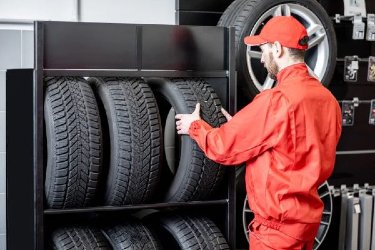 Your car's sensors can forecast problems if you know what signals to watch.
Decoding TPMS warnings correctly
A steady TPMS light usually indicates underinflation. A flashing light points to sensor malfunction. Never rely exclusively on TPMS to catch slow leaks or gradual pressure loss, confirm with a manual gauge regularly.
Track wear trends to predict replacement timing
Create a simple phone note template recording tread depth readings, pressure levels, and rotation dates. Calculate millimeters lost per thousand miles. This straightforward habit lets you forecast replacement timing accurately and budget accordingly.
Customize Replacement Timing to Your Real Driving Environment
Where and how you drive dramatically affects when to replace tires. Tailor your schedule to actual conditions, not generic advice.
Heavy rainfall zones demand earlier replacement
In wet climates, swap tires around 4/32" to preserve meaningful hydroplaning resistance. Prioritize models with excellent wet-traction ratings and schedule replacement before your region's rainy season arrives.
Rough roads accelerate tire damage
Frequent pothole impacts knock alignment out of specification and increase sidewall trauma risk. Inspect tires thoroughly after major impacts and verify balance and sidewall integrity regularly.
Final Thoughts: Make Tire Safety Your Advantage
Your tires represent the only contact patch between your vehicle and pavement. Catching deterioration early, recognizing warning symptoms, and replacing proactively keeps you safer while reducing long-term costs.
Use these checklists and thresholds to stay ahead of problems instead of reacting to failures. Regular inspections, proper maintenance habits, and timely replacement transform tire care from an annoying reactive task into a proactive routine that protects everyone you care about.
Your Tire Replacement Questions, Answered Straight
Is 4/32 depth actually safe or should I replace it now?
It meets legal minimums in most jurisdictions, but safety margins shrink dramatically in wet or snowy conditions. For genuine peace of mind and superior traction, replace at 4/32" or earlier if you regularly drive in challenging weather.
Should I replace all four tires or just the worn ones?
Replacing all four delivers the most balanced grip and predictable handling. If budget constraints force a two-tire purchase, mount the new pair on the rear axle for enhanced stability, especially crucial in wet conditions.
Can tires with good tread still be dangerous?
Absolutely. Rubber chemistry deteriorates through age, heat exposure, and UV radiation. An eight-year-old tire can show plenty of tread yet fail catastrophically due to cracking, hardening, or internal degradation invisible from outside.
In this article, we’ll guide you through the most common signs that indicate it’s time for new tires, from uneven tread wear to unusual vibrations. By learning what to watch for, you can stay safe on the road and avoid unexpected tire problems before they become serious.The 60-Second Tire Check You Should Do Before Every Trip
You don't need mechanic credentials to catch dangerous tire problems early. Think of this quick scan as your coffee-before-driving ritual, except it might actually save your life. Circle your vehicle and examine each tire.
You're hunting for uneven tread patterns, bulges poking from the sidewall, nails or screws wedged in the rubber, and any splits or cuts. Your spare tire counts too, don't overlook it just because it's hidden away. Front and rear tires degrade at different rates, so checking all four isn't overkill. Spot anything suspicious? Investigate further before turning the ignition.
Tread Depth Zones, From Safe to Seriously Risky
Your tire's tread depth controls traction. Period. Rain, snow, emergency braking, it all depends on adequate depth. Understanding how to know if you need new tires begins right here.
When "replace soon" becomes "replace yesterday"
Those little indicator blocks molded into your tread? They hit flush when depth reaches 1.6mm. That's your absolute deadline. But smart drivers replace earlier, around 4/32" if you see frequent rain, and 5/32" when snow's in the forecast. Waiting until you're at the legal minimum means you've already sacrificed significant wet-weather grip.
Wear bars aren't just binary indicators
Before you start shopping for replacements, whether you need 245/50R20 tires or something else entirely, check *where* your wear bars are showing. If they're flush in patches rather than uniformly across the width, you've got alignment trouble, suspension issues, or you've skipped too many rotations. Address that underlying problem before mounting fresh rubber, or you'll burn through the new set just as fast.
The siping fade nobody talks about
Those narrow slits cut into tread blocks, called sipes, deliver crucial wet grip. When they disappear, your rainy-day traction tanks even if overall depth still looks okay. If wet braking performance has quietly gotten worse, inspect those sipes alongside depth measurements. Sometimes your tires feel sketchy before they actually look worn out.
Weird Wear Patterns, What They Mean and What Broke
Uneven tire wear is never random. It's your car screaming that something's wrong. Decode these patterns and fix the root cause before spending money on replacements.
One-shoulder wear means alignment's gone
When one edge wears dramatically faster than the other, alignment is almost always off. Your vehicle might pull subtly even when you're holding the wheel straight. Get alignment checked and corrected *before* mounting new tires, otherwise you're just setting money on fire.
Middle vs. edges: your inflation pressure tells the story
Wear concentrated in the center? You're overinflating. Wear on both outer edges? Underinflation. Check your cold tire pressure against the spec printed on your driver's door jamb, ignore the max PSI stamped on the tire sidewall, that's not your target. Adjust pressure, then verify it weekly for a month.Sidewall Damage Isn't Negotiable, Replace These Immediately
Sidewall integrity keeps your tire from catastrophic failure. Some damage simply can't be fixed. Only replacement keeps you safe.
Bulges are ticking time bombs
See a bubble or bulge protruding from the sidewall? Internal cords have snapped. This can rupture violently at freeway speeds with zero warning. Don't patch it. Don't "monitor" it. Replace it today.
Cracks reveal aging and environmental assault
Deep fissures in sidewalls or between tread blocks signal UV damage, ozone exposure, and age-related breakdown. If cracking is extensive or exposes internal cords, replacement isn't optional. Minor surface checking might be cosmetic, but deep cracks are life-threatening.
Not every puncture can be repaired
idewall punctures, shoulder damage, multiple punctures clustered together, or driving on a flat tire, all these scenarios require replacement. When repair *is* viable, demand an internal patch-plug combination. That's the gold-standard repair method for long-term safety.
Your Car's Trying to Tell You Something, Listen to These Symptoms
Vibrations, pulling, and sounds are your vehicle's language. Learn to interpret these signals before they become breakdowns.
Speed-sensitive steering wheel shake
Imbalance, belt separation, or uneven wear typically create vibrations tied to specific speed ranges. If the shake intensifies rapidly over just a few days, prioritize an inspection, you might be witnessing the early stages of belt separation.
Persistent pull despite proper inflation
If your car drifts consistently left or right even after correcting tire pressure, you're dealing with conicity (a manufacturing quirk), uneven wear, or alignment problems. Try cross-rotating the front tires. If the pull migrates with the tire, the tire itself is defective.
Tire Age Matters More Than Most People Realize
Mileage isn't the only clock ticking. Calendar age degrades tires regardless of how many miles you've driven.
The age limits that prevent sudden blowouts
Most tires have functional lifespans ranging from six to ten years depending on type and usage conditions .Plan replacement around the six-year mark and treat ten years as the absolute maximum, even with healthy-looking tread. Find the DOT code molded into the sidewall, the last four digits reveal manufacturing week and year.
Leverage Technology to Stay Ahead of Tire Failures
Your car's sensors can forecast problems if you know what signals to watch.Decoding TPMS warnings correctly
A steady TPMS light usually indicates underinflation. A flashing light points to sensor malfunction. Never rely exclusively on TPMS to catch slow leaks or gradual pressure loss, confirm with a manual gauge regularly.
Track wear trends to predict replacement timing
Create a simple phone note template recording tread depth readings, pressure levels, and rotation dates. Calculate millimeters lost per thousand miles. This straightforward habit lets you forecast replacement timing accurately and budget accordingly.
Customize Replacement Timing to Your Real Driving Environment
Where and how you drive dramatically affects when to replace tires. Tailor your schedule to actual conditions, not generic advice.
Heavy rainfall zones demand earlier replacement
In wet climates, swap tires around 4/32" to preserve meaningful hydroplaning resistance. Prioritize models with excellent wet-traction ratings and schedule replacement before your region's rainy season arrives.
Rough roads accelerate tire damage
Frequent pothole impacts knock alignment out of specification and increase sidewall trauma risk. Inspect tires thoroughly after major impacts and verify balance and sidewall integrity regularly.
Final Thoughts: Make Tire Safety Your Advantage
Your tires represent the only contact patch between your vehicle and pavement. Catching deterioration early, recognizing warning symptoms, and replacing proactively keeps you safer while reducing long-term costs.
Use these checklists and thresholds to stay ahead of problems instead of reacting to failures. Regular inspections, proper maintenance habits, and timely replacement transform tire care from an annoying reactive task into a proactive routine that protects everyone you care about.
Your Tire Replacement Questions, Answered Straight
Is 4/32 depth actually safe or should I replace it now?
It meets legal minimums in most jurisdictions, but safety margins shrink dramatically in wet or snowy conditions. For genuine peace of mind and superior traction, replace at 4/32" or earlier if you regularly drive in challenging weather.
Should I replace all four tires or just the worn ones?
Replacing all four delivers the most balanced grip and predictable handling. If budget constraints force a two-tire purchase, mount the new pair on the rear axle for enhanced stability, especially crucial in wet conditions.
Can tires with good tread still be dangerous?
Absolutely. Rubber chemistry deteriorates through age, heat exposure, and UV radiation. An eight-year-old tire can show plenty of tread yet fail catastrophically due to cracking, hardening, or internal degradation invisible from outside.
Copyrights © 2026 Inspiration Unlimited - iU - Online Global Positivity Media
Any facts, figures or references stated here are made by the author & don't reflect the endorsement of iU at all times unless otherwise drafted by official staff at iU. A part [small/large] could be AI generated content at times and it's inevitable today. If you have a feedback particularly with regards to that, feel free to let us know. This article was first published here on 4th February 2026.
Want to Publish About Your Business / Achievements
Get in TOUCH Right Away!

All chats are end-to-end encrypted by WhatsApp and won't be shared anywhere [won't be stored either].


Whether You're A Small Business, Startup or A Professional,
Give Your Brand A Powerful Digital Footprint
That's Loved by Search Engines & AI Engines Equally
For A Price That's Industry Best...☝