
Whether You're A Small Business, Startup or A Professional,
Give Your Brand A Powerful Digital Footprint
That's Loved by Search Engines & AI Engines Equally
For A Price That's Industry Best...☝

Customer Retention Strategies for UK Small Businesses: Reducing Acquisition Costs in 2026
In 2026, one of the most expensive habits a UK small business can maintain is constantly chasing new customers while neglecting existing ones.
 Digital advertising costs remain competitive across the UK. Energy bills have stabilised compared to their peak, but operational costs are still significantly higher than they were pre-2020. Consumer confidence fluctuates. Buyers compare more. Decision cycles stretch longer.
In this climate, acquisition is costly.
Retention is efficient.
Customer retention strategies for UK small businesses are no longer optional enhancements. They are central to profitability.
Why Retention Matters More in the UK Right Now
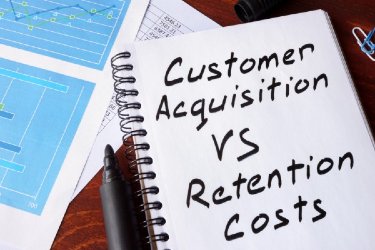
Research consistently shows that acquiring a new customer can cost five to seven times more than retaining an existing one. In the UK’s competitive SME landscape — especially in service-based sectors — that gap can be even wider when paid ads, agency fees, and time investment are factored in.
More importantly, repeat customers spend more over time.
They:
– Purchase more frequently
– Require less persuasion
– Refer others
– Provide testimonials
– Offer constructive feedback
Retention reduces marketing pressure.
When businesses stabilise recurring demand, growth becomes less dependent on constant outreach.
The UK Consumer’s Shift Toward Trust
The cost-of-living pressures of recent years have reshaped purchasing psychology.
UK customers are more deliberate. They research thoroughly. They look for reliability and value continuity.
Trust has become currency.
If a customer has already experienced satisfactory service, their likelihood of returning is significantly higher — provided the relationship remains visible.
The mistake many small businesses make is assuming that satisfied customers will automatically return.
Retention requires intention.
Post-Sale Experience Determines Repeat Business
For many UK small businesses, the relationship quietly ends after delivery.
A project completes. A product is sold. Payment is received. And communication fades.
Yet the post-sale window is where loyalty is formed.
Simple actions make measurable differences:
– A follow-up message asking if everything met expectations
– A thank-you note
– A reminder about future service needs
– Educational content relevant to their purchase
When clients feel remembered rather than processed, retention improves.
Customer retention strategies for UK small businesses often begin with small gestures of attentiveness.
Subscription Thinking in a Subscription Economy
Across the UK, subscription models have become embedded in consumer behaviour — from streaming services to meal kits to software tools.
Small businesses can adopt similar thinking, even without becoming “subscription companies.”
An independent IT consultant might introduce monthly maintenance retainers. A beauty salon could offer prepaid service packages. A consultancy might create ongoing advisory plans instead of one-off engagements.
Recurring revenue smooths volatility.
Predictability reduces stress.
And when customers are embedded in ongoing value relationships, churn decreases.
Loyalty as an Economic Shield
 Retention becomes particularly important during economic uncertainty.
When new enquiries slow down — as they often do during economic tightening — loyal customers sustain cash flow.
UK small businesses that rely solely on new acquisition experience sharper revenue fluctuations during downturns.
Those with strong retention ecosystems experience softer impact.
Loyalty programmes, membership perks, priority booking access, referral recognition — these mechanisms may appear simple, but they compound over time.
Customer retention strategies for UK small businesses are, in many ways, recession protection strategies.
Communication Frequency Matters
Out of sight often means out of mind.
Regular but respectful communication maintains visibility.
This does not require constant selling.
It can include:
– Helpful updates
– Industry insights
– Seasonal reminders
– Invitations to events
– Value-driven newsletters
The goal is to remain relevant without overwhelming.
In the UK market, subtle consistency often performs better than aggressive promotion.
Turning Customers Into Advocates
Referrals remain one of the most powerful growth channels in UK local markets.
But referrals rarely happen automatically.
When customers feel genuinely valued, they become advocates.
Encouraging reviews on Google Business Profiles, asking for testimonials, or offering referral incentives builds momentum.
Advocacy reduces acquisition cost dramatically.
A referred client often converts faster and with less price sensitivity.
Retention and referral are closely linked.
Measuring Retention Intentionally
Many small businesses track sales but do not track repeat rate.
Retention metrics can include:
– Percentage of repeat customers
– Average purchase frequency
– Customer lifetime value
– Churn rate
When these are monitored, patterns emerge.
If repeat purchase frequency declines, something in the experience may need improvement.
Data reveals loyalty health.
Customer retention strategies for UK small businesses become more effective when guided by observation rather than assumption.
The Emotional Element
 Retention is not only transactional.
Customers remain loyal because they feel understood.
Local presence matters in the UK. Community ties matter. Reputation matters.
When customers associate your business with reliability and familiarity, switching feels unnecessary.
And in competitive markets, reducing the desire to switch is more powerful than lowering prices.
Inspiration Unlimited Takeaway
Customer retention strategies for UK small businesses are not glamorous tactics.
They are disciplined habits.
In a market shaped by cost sensitivity and competition, loyalty is leverage.
When businesses:
– Strengthen post-sale relationships
– Introduce recurring value
– Communicate consistently
– Encourage advocacy
– Monitor repeat behaviour
…they reduce acquisition pressure and build resilience.
Because in 2026 and beyond, growth will not belong to the loudest advertisers.
It will belong to the businesses that turn one sale into many — through trust.
Digital advertising costs remain competitive across the UK. Energy bills have stabilised compared to their peak, but operational costs are still significantly higher than they were pre-2020. Consumer confidence fluctuates. Buyers compare more. Decision cycles stretch longer.In this climate, acquisition is costly.
Retention is efficient.
Customer retention strategies for UK small businesses are no longer optional enhancements. They are central to profitability.
Why Retention Matters More in the UK Right Now
Research consistently shows that acquiring a new customer can cost five to seven times more than retaining an existing one. In the UK’s competitive SME landscape — especially in service-based sectors — that gap can be even wider when paid ads, agency fees, and time investment are factored in.
More importantly, repeat customers spend more over time.
They:
– Purchase more frequently
– Require less persuasion
– Refer others
– Provide testimonials
– Offer constructive feedback
Retention reduces marketing pressure.
When businesses stabilise recurring demand, growth becomes less dependent on constant outreach.
The UK Consumer’s Shift Toward Trust
The cost-of-living pressures of recent years have reshaped purchasing psychology.
UK customers are more deliberate. They research thoroughly. They look for reliability and value continuity.
Trust has become currency.
If a customer has already experienced satisfactory service, their likelihood of returning is significantly higher — provided the relationship remains visible.
The mistake many small businesses make is assuming that satisfied customers will automatically return.
Retention requires intention.
Post-Sale Experience Determines Repeat Business
For many UK small businesses, the relationship quietly ends after delivery.
A project completes. A product is sold. Payment is received. And communication fades.
Yet the post-sale window is where loyalty is formed.
Simple actions make measurable differences:
– A follow-up message asking if everything met expectations
– A thank-you note
– A reminder about future service needs
– Educational content relevant to their purchase
When clients feel remembered rather than processed, retention improves.
Customer retention strategies for UK small businesses often begin with small gestures of attentiveness.
Subscription Thinking in a Subscription Economy
Across the UK, subscription models have become embedded in consumer behaviour — from streaming services to meal kits to software tools.
Small businesses can adopt similar thinking, even without becoming “subscription companies.”
An independent IT consultant might introduce monthly maintenance retainers. A beauty salon could offer prepaid service packages. A consultancy might create ongoing advisory plans instead of one-off engagements.
Recurring revenue smooths volatility.
Predictability reduces stress.
And when customers are embedded in ongoing value relationships, churn decreases.
Loyalty as an Economic Shield
Retention becomes particularly important during economic uncertainty.When new enquiries slow down — as they often do during economic tightening — loyal customers sustain cash flow.
UK small businesses that rely solely on new acquisition experience sharper revenue fluctuations during downturns.
Those with strong retention ecosystems experience softer impact.
Loyalty programmes, membership perks, priority booking access, referral recognition — these mechanisms may appear simple, but they compound over time.
Customer retention strategies for UK small businesses are, in many ways, recession protection strategies.
Communication Frequency Matters
Out of sight often means out of mind.
Regular but respectful communication maintains visibility.
This does not require constant selling.
It can include:
– Helpful updates
– Industry insights
– Seasonal reminders
– Invitations to events
– Value-driven newsletters
The goal is to remain relevant without overwhelming.
In the UK market, subtle consistency often performs better than aggressive promotion.
Turning Customers Into Advocates
Referrals remain one of the most powerful growth channels in UK local markets.
But referrals rarely happen automatically.
When customers feel genuinely valued, they become advocates.
Encouraging reviews on Google Business Profiles, asking for testimonials, or offering referral incentives builds momentum.
Advocacy reduces acquisition cost dramatically.
A referred client often converts faster and with less price sensitivity.
Retention and referral are closely linked.
Measuring Retention Intentionally
Many small businesses track sales but do not track repeat rate.
Retention metrics can include:
– Percentage of repeat customers
– Average purchase frequency
– Customer lifetime value
– Churn rate
When these are monitored, patterns emerge.
If repeat purchase frequency declines, something in the experience may need improvement.
Data reveals loyalty health.
Customer retention strategies for UK small businesses become more effective when guided by observation rather than assumption.
The Emotional Element
Retention is not only transactional.Customers remain loyal because they feel understood.
Local presence matters in the UK. Community ties matter. Reputation matters.
When customers associate your business with reliability and familiarity, switching feels unnecessary.
And in competitive markets, reducing the desire to switch is more powerful than lowering prices.
Inspiration Unlimited Takeaway
Customer retention strategies for UK small businesses are not glamorous tactics.
They are disciplined habits.
In a market shaped by cost sensitivity and competition, loyalty is leverage.
When businesses:
– Strengthen post-sale relationships
– Introduce recurring value
– Communicate consistently
– Encourage advocacy
– Monitor repeat behaviour
…they reduce acquisition pressure and build resilience.
Because in 2026 and beyond, growth will not belong to the loudest advertisers.
It will belong to the businesses that turn one sale into many — through trust.
Copyrights © 2026 Inspiration Unlimited - iU - Online Global Positivity Media
Any facts, figures or references stated here are made by the author & don't reflect the endorsement of iU at all times unless otherwise drafted by official staff at iU. A part [small/large] could be AI generated content at times and it's inevitable today. If you have a feedback particularly with regards to that, feel free to let us know. This article was first published here on 25th February 2026.
Want to Publish About Your Business / Achievements
Get in TOUCH Right Away!

All chats are end-to-end encrypted by WhatsApp and won't be shared anywhere [won't be stored either].


Whether You're A Small Business, Startup or A Professional,
Give Your Brand A Powerful Digital Footprint
That's Loved by Search Engines & AI Engines Equally
For A Price That's Industry Best...☝