
Whether You're A Small Business, Startup or A Professional,
Give Your Brand A Powerful Digital Footprint
That's Loved by Search Engines & AI Engines Equally
For A Price That's Industry Best...☝

Inclusive Workouts and Adaptive Exercises Tailored for All Abilities
In the dynamic world of fitness, diversity should be celebrated, and inclusivity should be a guiding principle. It's time to shift our perspective on workouts and exercise routines, acknowledging that bodies come in all shapes, sizes, and abilities. The fitness realm shouldn't be exclusive but rather an open space for everyone, regardless of their physical limitations or unique requirements.
How could we achieve inclusive fitness? Let's dive in!
1. Embracing Diversity in Fitness:
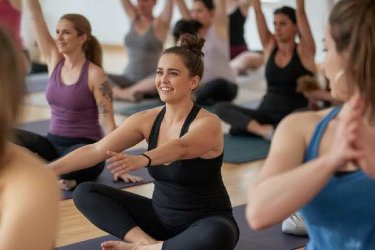 Fitness is not one-size-fits-all. Embracing diversity involves recognizing and appreciating the unique strengths and challenges of individuals. Let's move away from traditional notions of what a "fit" body looks like and instead focus on what it can achieve.
2. Adaptive Exercise Equipment:
The fitness industry is evolving to be more inclusive with the introduction of adaptive exercise equipment. From resistance bands with varying levels of strength to adjustable benches, these tools cater to a wide range of abilities, making the workout space more accessible.
3. Tailored Programs for Differently-Abled Individuals:
Specialized fitness programs designed for differently-abled individuals ensure that everyone can engage in physical activity. These programs address specific needs and challenges, offering modified exercises that cater to different abilities and enhance overall well-being.
4. Inclusive Group Classes:
Group classes are a fantastic way to foster a sense of community. Inclusive group classes welcome individuals of all fitness levels. Trained instructors ensure that participants can modify exercises based on their abilities, creating an environment that encourages mutual support and motivation.
5. Online Platforms for Inclusive Workouts:
The digital era has brought forth a wealth of online platforms that offer inclusive workout routines. These platforms provide a diverse range of exercises suitable for various abilities, allowing individuals to exercise in the comfort of their homes while following personalized routines.
6. Body-Positive Fitness Communities:
A shift towards body positivity is reshaping the fitness landscape. Communities that promote self-love and body acceptance are gaining momentum. These spaces focus on achievements and capabilities rather than conforming to societal beauty standards, fostering a healthier mindset towards fitness.
7. Accessible Gym Facilities:
Creating accessible gym facilities involves more than just ramps. It's about ensuring that equipment is spaced to accommodate wheelchairs, having tactile markers for those with visual impairments, and providing support structures for those who may need assistance. An inclusive gym is a welcoming gym.
8. Personalized Nutrition Plans:
Fitness is not just about exercise; nutrition plays a vital role. Tailoring nutrition plans to individual needs, considering dietary restrictions and health conditions, ensures that everyone can achieve their fitness goals in a sustainable and enjoyable way.
9. Celebrating Non-Traditional Sports:
Inclusivity extends beyond traditional gym workouts. Celebrating non-traditional sports and activities, such as adaptive yoga, wheelchair basketball, or seated aerobics, brings attention to the diverse ways individuals can engage in physical activity.
10. Educational Campaigns on Inclusive Fitness:
Promoting inclusive fitness requires education. Campaigns that raise awareness about the importance of inclusivity, debunk myths surrounding certain body types, and provide resources for adaptive exercises contribute to a more informed and understanding fitness community.
11. Trainer Certification in Inclusive Fitness:
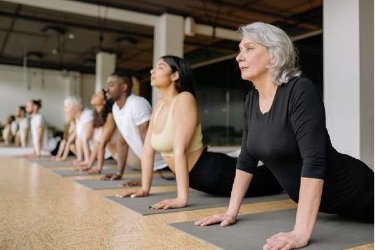 Encouraging fitness professionals to undergo certification programs in inclusive fitness ensures that trainers are equipped with the knowledge to cater to diverse needs. This creates a more supportive environment where individuals of all abilities can receive expert guidance.
12. Interactive Apps for Adaptive Workouts:
The rise of interactive fitness apps brings adaptive workouts to a global audience. These apps often use artificial intelligence to personalize workouts based on individual capabilities, offering a virtual coach that adapts to the user's progress and ensures a tailored fitness experience.
13. Inclusive Fitness Challenges:
Fitness challenges are a popular way to motivate individuals. Introducing inclusive fitness challenges that celebrate achievements regardless of the starting point or physical condition fosters a sense of accomplishment and unity within the fitness community.
14. Corporate Wellness Programs with Inclusivity Focus:
Companies are recognizing the importance of employee wellness programs. Integrating inclusivity into corporate wellness initiatives involves providing adaptive exercise options, promoting a positive body image, and creating a workplace culture that values diverse approaches to fitness.
15. Partnerships with Disability Advocacy Groups:
Building partnerships with disability advocacy groups strengthens the commitment to inclusivity. Collaborations can lead to the development of tailored fitness resources, awareness campaigns, and events that actively involve and benefit individuals with varying abilities.
Final Thoughts
By embracing inclusivity in fitness, we not only create a healthier and more positive environment for individuals with varying abilities but also redefine the very essence of what it means to be fit. It's time for a fitness revolution that celebrates the uniqueness of every body and encourages everyone to embark on their wellness journey with confidence and joy.
How could we achieve inclusive fitness? Let's dive in!
1. Embracing Diversity in Fitness:
Fitness is not one-size-fits-all. Embracing diversity involves recognizing and appreciating the unique strengths and challenges of individuals. Let's move away from traditional notions of what a "fit" body looks like and instead focus on what it can achieve.2. Adaptive Exercise Equipment:
The fitness industry is evolving to be more inclusive with the introduction of adaptive exercise equipment. From resistance bands with varying levels of strength to adjustable benches, these tools cater to a wide range of abilities, making the workout space more accessible.
3. Tailored Programs for Differently-Abled Individuals:
Specialized fitness programs designed for differently-abled individuals ensure that everyone can engage in physical activity. These programs address specific needs and challenges, offering modified exercises that cater to different abilities and enhance overall well-being.
4. Inclusive Group Classes:
Group classes are a fantastic way to foster a sense of community. Inclusive group classes welcome individuals of all fitness levels. Trained instructors ensure that participants can modify exercises based on their abilities, creating an environment that encourages mutual support and motivation.
5. Online Platforms for Inclusive Workouts:
The digital era has brought forth a wealth of online platforms that offer inclusive workout routines. These platforms provide a diverse range of exercises suitable for various abilities, allowing individuals to exercise in the comfort of their homes while following personalized routines.
6. Body-Positive Fitness Communities:
A shift towards body positivity is reshaping the fitness landscape. Communities that promote self-love and body acceptance are gaining momentum. These spaces focus on achievements and capabilities rather than conforming to societal beauty standards, fostering a healthier mindset towards fitness.
7. Accessible Gym Facilities:
Creating accessible gym facilities involves more than just ramps. It's about ensuring that equipment is spaced to accommodate wheelchairs, having tactile markers for those with visual impairments, and providing support structures for those who may need assistance. An inclusive gym is a welcoming gym.
8. Personalized Nutrition Plans:
Fitness is not just about exercise; nutrition plays a vital role. Tailoring nutrition plans to individual needs, considering dietary restrictions and health conditions, ensures that everyone can achieve their fitness goals in a sustainable and enjoyable way.
9. Celebrating Non-Traditional Sports:
Inclusivity extends beyond traditional gym workouts. Celebrating non-traditional sports and activities, such as adaptive yoga, wheelchair basketball, or seated aerobics, brings attention to the diverse ways individuals can engage in physical activity.
10. Educational Campaigns on Inclusive Fitness:
Promoting inclusive fitness requires education. Campaigns that raise awareness about the importance of inclusivity, debunk myths surrounding certain body types, and provide resources for adaptive exercises contribute to a more informed and understanding fitness community.
11. Trainer Certification in Inclusive Fitness:
Encouraging fitness professionals to undergo certification programs in inclusive fitness ensures that trainers are equipped with the knowledge to cater to diverse needs. This creates a more supportive environment where individuals of all abilities can receive expert guidance.12. Interactive Apps for Adaptive Workouts:
The rise of interactive fitness apps brings adaptive workouts to a global audience. These apps often use artificial intelligence to personalize workouts based on individual capabilities, offering a virtual coach that adapts to the user's progress and ensures a tailored fitness experience.
13. Inclusive Fitness Challenges:
Fitness challenges are a popular way to motivate individuals. Introducing inclusive fitness challenges that celebrate achievements regardless of the starting point or physical condition fosters a sense of accomplishment and unity within the fitness community.
14. Corporate Wellness Programs with Inclusivity Focus:
Companies are recognizing the importance of employee wellness programs. Integrating inclusivity into corporate wellness initiatives involves providing adaptive exercise options, promoting a positive body image, and creating a workplace culture that values diverse approaches to fitness.
15. Partnerships with Disability Advocacy Groups:
Building partnerships with disability advocacy groups strengthens the commitment to inclusivity. Collaborations can lead to the development of tailored fitness resources, awareness campaigns, and events that actively involve and benefit individuals with varying abilities.
Final Thoughts
By embracing inclusivity in fitness, we not only create a healthier and more positive environment for individuals with varying abilities but also redefine the very essence of what it means to be fit. It's time for a fitness revolution that celebrates the uniqueness of every body and encourages everyone to embark on their wellness journey with confidence and joy.
Copyrights © 2026 Inspiration Unlimited - iU - Online Global Positivity Media
Any facts, figures or references stated here are made by the author & don't reflect the endorsement of iU at all times unless otherwise drafted by official staff at iU. A part [small/large] could be AI generated content at times and it's inevitable today. If you have a feedback particularly with regards to that, feel free to let us know. This article was first published here on 11th February 2026.
Want to Publish About Your Business / Achievements
Get in TOUCH Right Away!

All chats are end-to-end encrypted by WhatsApp and won't be shared anywhere [won't be stored either].


Whether You're A Small Business, Startup or A Professional,
Give Your Brand A Powerful Digital Footprint
That's Loved by Search Engines & AI Engines Equally
For A Price That's Industry Best...☝