
Whether You're A Small Business, Startup or A Professional,
Give Your Brand A Powerful Digital Footprint
That's Loved by Search Engines & AI Engines Equally
For A Price That's Industry Best...☝

Ultimate Guide to Sports Nutrition: Fueling Your Body for Optimal Performance
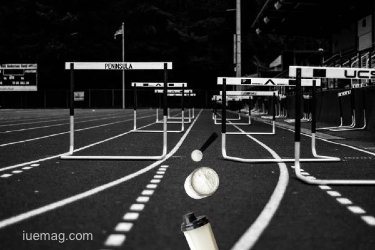 Sports nutrition is a crucial aspect of athletic performance that is often overlooked. Many athletes focus solely on training and overlook the importance of proper nutrition. However, fueling your body with the right nutrients can make a significant difference in your performance.
 Did you know that a lack of proper nutrition can lead to decreased endurance, strength, and overall performance? A study conducted by the University of North Carolina found that athletes who consumed inadequate amounts of protein and carbohydrates experienced a significant decrease in their performance. On the other hand, those who followed a well-balanced diet showed an improvement in their performance.
Additionally, according to the International Olympic Committee, athletes who follow proper sports nutrition have a lower risk of injury, improved recovery time, and a reduced risk of illness. These are just a few examples of the importance of sports nutrition in athletic performance.
In this ultimate guide to sports nutrition, we will explore the key elements of a proper sports nutrition plan:
1. Macronutrients:
Macronutrients are essential nutrients that provide the body with energy just like amazon maca root supplement. They include carbohydrates, proteins, and fats. Each of these macronutrients plays a unique role in athletic performance. Carbohydrates provide the body with the energy it needs to perform, while proteins help repair and build muscle tissue. Fats provide the body with energy during low-intensity activities.
2. Hydration:
taying hydrated is critical for athletic performance. Dehydration can lead to fatigue, cramping, and decreased performance. It is recommended to drink at least 8-10 glasses of water per day and to consume electrolytes during intense physical activity.
3. Pre-Workout Nutrition:
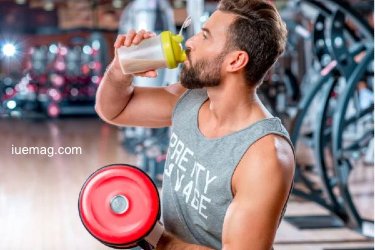 The pre-workout meal is essential for providing the body with the necessary energy for physical activity. It is recommended to consume a meal that is high in carbohydrates and low in fat and protein. Examples of pre-workout meals include oatmeal with fruit, a turkey sandwich, or a protein shake with fruit.
4. Post-Workout Nutrition:
After physical activity, the body needs nutrients to help repair and build muscle tissue. It is recommended to consume a meal that is high in protein and carbohydrates within 30 minutes of physical activity. Examples of post-workout meals include a chicken and rice bowl, a turkey and avocado sandwich, or a protein shake with fruit.
5. Supplementation:
upplementation can be used to help fill any nutritional gaps in an athlete's diet. Some common supplements used by athletes include protein powder, creatine, and beta-alanine. It is important to consult with a healthcare professional before starting any supplementation.
6. Timing:
Timing is crucial when it comes to sports nutrition. It is recommended to consume a meal or snack 1-2 hours before physical activity to provide the body with the necessary energy. Additionally, consuming a meal or snack within 30 minutes of physical activity can help with recovery and muscle repair.
7. Micronutrients:
While macronutrients are crucial, micronutrients such as vitamins and minerals also play a vital role in athletic performance. Iron, for example, is essential for delivering oxygen to the muscles, while calcium and vitamin D help maintain bone health.
8. Fiber:
Fiber is often overlooked in sports nutrition, but it plays a crucial role in digestion and overall health. Consuming high-fiber foods such as fruits, vegetables, and whole grains can help regulate digestion and prevent constipation.
9. Glycemic Index:
The glycemic index (GI) is a measure of how quickly carbohydrates are absorbed and converted to glucose in the body. Foods with a high GI, such as white bread or sugary drinks, can cause a spike in blood sugar levels followed by a crash, leading to decreased performance. Choosing foods with a low GI, such as whole grains and vegetables, can provide a steady source of energy.
10. Individualization:
 Every athlete's nutritional needs are unique. Factors such as age, gender, body composition, and type of physical activity all play a role in determining an athlete's optimal nutrition plan. It is essential to work with a registered dietitian or healthcare professional to develop an individualized plan.
11. Mental Health:
Mental health is a critical component of athletic performance, and nutrition can play a role in this. Consuming foods rich in omega-3 fatty acids, such as fish or walnuts, has been linked to improved mood and decreased risk of depression.
Conclusion:
Sports nutrition is a vital component of athletic performance. By considering macronutrients, hydration, pre-and post-workout nutrition, supplementation, timing, micronutrients, fiber, glycemic index, individualization, and mental health, athletes can fuel their bodies for optimal performance. Remember to consult with a registered dietitian or healthcare professional to develop an individualized plan that meets your unique needs.
Copyrights © 2026 Inspiration Unlimited - iU - Online Global Positivity Media
Any facts, figures or references stated here are made by the author & don't reflect the endorsement of iU at all times unless otherwise drafted by official staff at iU. A part [small/large] could be AI generated content at times and it's inevitable today. If you have a feedback particularly with regards to that, feel free to let us know. This article was first published here on 30th August 2025.
Want to Publish About Your Business / Achievements
Get in TOUCH Right Away!

All chats are end-to-end encrypted by WhatsApp and won't be shared anywhere [won't be stored either].


Whether You're A Small Business, Startup or A Professional,
Give Your Brand A Powerful Digital Footprint
That's Loved by Search Engines & AI Engines Equally
For A Price That's Industry Best...☝