
Whether You're A Small Business, Startup or A Professional,
Give Your Brand A Powerful Digital Footprint
That's Loved by Search Engines & AI Engines Equally
For A Price That's Industry Best...☝

How to Prepare for High-Altitude Hiking
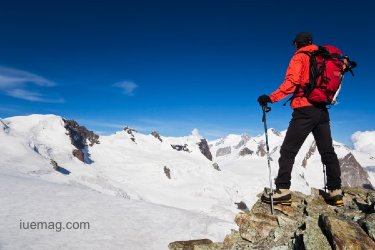
High-altitude hiking is a thrilling adventure that offers stunning views and an opportunity to push your limits. However, it is also a challenging experience that requires careful planning and preparation.
 Did you know that high altitude sickness can affect up to 40% of people
who ascend to elevations above 8,000 feet (2,400 meters)
? Additionally, research has shown that the incidence of altitude sickness is not necessarily related to age, fitness level, or previous altitude exposure. For example, a highly experienced mountaineer can still develop altitude sickness, while a novice hiker may not experience any symptoms.
Here are the essential tips to help you prepare for a high-altitude hike, from training and acclimatization to gear and nutrition. By following these guidelines, you can increase your chances of having a successful and enjoyable high-altitude hike.
Start Training Early:
Training for high-altitude hikes should start well in advance of your trip. It is recommended that you start at least 3-6 months before the scheduled hike. Cardiovascular exercise, such as running or cycling, can help increase your lung capacity and endurance. It is also recommended to do some strength training to build your leg and core muscles.
Acclimatization:
Acclimatization is the process of gradually adapting your body to the high altitude conditions. It is important to spend some time at higher elevations to allow your body to adjust to the thinner air. When planning your hike, consider taking some extra days to allow for acclimatization.
Hydration:
taying hydrated is crucial for high-altitude hikes. At higher elevations, the air is drier, and you are more likely to lose fluids through sweat and breathing. It is important to drink plenty of water and electrolyte-rich fluids throughout the day. It is recommended to drink at least 3-4 liters of water per day.
Nutrition:
Your body needs more calories at higher elevations due to increased energy expenditure. It is important to consume nutrient-dense foods, such as complex carbohydrates, lean protein, and healthy fats. Avoid alcohol and caffeine as they can dehydrate you and make altitude sickness worse.
Gear:
Having the right gear is essential for high-altitude hikes. Invest in a good quality pair of hiking boots with ankle support and waterproofing. Dress in layers to adjust to changing weather conditions. Bring a warm hat and gloves as temperatures can drop quickly at higher elevations. It is also important to bring a high-altitude sunscreen and sunglasses to protect your skin and eyes from the strong UV rays.
Altitude Sickness:
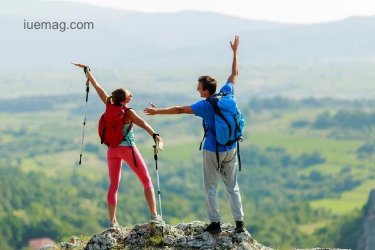 Altitude sickness is a common condition that affects many hikers at high elevations. Symptoms can include headaches, nausea, dizziness, and shortness of breath. It is important to recognize the symptoms and take appropriate action to prevent further complications. If you experience mild symptoms, try to rest and drink plenty of fluids. If symptoms persist or worsen, it may be necessary to descend to a lower elevation or seek medical attention.
Altitude Medications:
ome hikers may choose to take altitude medications, such as Diamox, to help prevent altitude sickness. These medications can help increase the body's oxygen uptake and reduce symptoms of altitude sickness. It is recommended to consult with a healthcare professional before taking any altitude medications.
Final Thoughts:
Preparing for a high-altitude hike requires proper planning, preparation, and caution. It is important to start training early, acclimate properly, stay hydrated and nourished, have the right gear, and be aware of altitude sickness symptoms. With these tips in mind, you can increase your chances of having a successful and enjoyable high-altitude hike.
Remember to always put safety first and listen to your body's signals.
Did you know that high altitude sickness can affect up to 40% of peoplewho ascend to elevations above 8,000 feet (2,400 meters)
? Additionally, research has shown that the incidence of altitude sickness is not necessarily related to age, fitness level, or previous altitude exposure. For example, a highly experienced mountaineer can still develop altitude sickness, while a novice hiker may not experience any symptoms.
Here are the essential tips to help you prepare for a high-altitude hike, from training and acclimatization to gear and nutrition. By following these guidelines, you can increase your chances of having a successful and enjoyable high-altitude hike.
Start Training Early:
Training for high-altitude hikes should start well in advance of your trip. It is recommended that you start at least 3-6 months before the scheduled hike. Cardiovascular exercise, such as running or cycling, can help increase your lung capacity and endurance. It is also recommended to do some strength training to build your leg and core muscles.
Acclimatization:
Acclimatization is the process of gradually adapting your body to the high altitude conditions. It is important to spend some time at higher elevations to allow your body to adjust to the thinner air. When planning your hike, consider taking some extra days to allow for acclimatization.
Hydration:
taying hydrated is crucial for high-altitude hikes. At higher elevations, the air is drier, and you are more likely to lose fluids through sweat and breathing. It is important to drink plenty of water and electrolyte-rich fluids throughout the day. It is recommended to drink at least 3-4 liters of water per day.
Nutrition:
Your body needs more calories at higher elevations due to increased energy expenditure. It is important to consume nutrient-dense foods, such as complex carbohydrates, lean protein, and healthy fats. Avoid alcohol and caffeine as they can dehydrate you and make altitude sickness worse.
Gear:
Having the right gear is essential for high-altitude hikes. Invest in a good quality pair of hiking boots with ankle support and waterproofing. Dress in layers to adjust to changing weather conditions. Bring a warm hat and gloves as temperatures can drop quickly at higher elevations. It is also important to bring a high-altitude sunscreen and sunglasses to protect your skin and eyes from the strong UV rays.
Altitude Sickness:
Altitude sickness is a common condition that affects many hikers at high elevations. Symptoms can include headaches, nausea, dizziness, and shortness of breath. It is important to recognize the symptoms and take appropriate action to prevent further complications. If you experience mild symptoms, try to rest and drink plenty of fluids. If symptoms persist or worsen, it may be necessary to descend to a lower elevation or seek medical attention.Altitude Medications:
ome hikers may choose to take altitude medications, such as Diamox, to help prevent altitude sickness. These medications can help increase the body's oxygen uptake and reduce symptoms of altitude sickness. It is recommended to consult with a healthcare professional before taking any altitude medications.
Final Thoughts:
Preparing for a high-altitude hike requires proper planning, preparation, and caution. It is important to start training early, acclimate properly, stay hydrated and nourished, have the right gear, and be aware of altitude sickness symptoms. With these tips in mind, you can increase your chances of having a successful and enjoyable high-altitude hike.
Remember to always put safety first and listen to your body's signals.
Happy hiking!
Copyrights © 2026 Inspiration Unlimited - iU - Online Global Positivity Media
Any facts, figures or references stated here are made by the author & don't reflect the endorsement of iU at all times unless otherwise drafted by official staff at iU. A part [small/large] could be AI generated content at times and it's inevitable today. If you have a feedback particularly with regards to that, feel free to let us know. This article was first published here on 14th August 2025.
Want to Publish About Your Business / Achievements
Get in TOUCH Right Away!

All chats are end-to-end encrypted by WhatsApp and won't be shared anywhere [won't be stored either].


Whether You're A Small Business, Startup or A Professional,
Give Your Brand A Powerful Digital Footprint
That's Loved by Search Engines & AI Engines Equally
For A Price That's Industry Best...☝