
Whether You're A Small Business, Startup or A Professional,
Give Your Brand A Powerful Digital Footprint
That's Loved by Search Engines & AI Engines Equally
For A Price That's Industry Best...☝

How Food from Around the World Became Embedded in Modern Culture
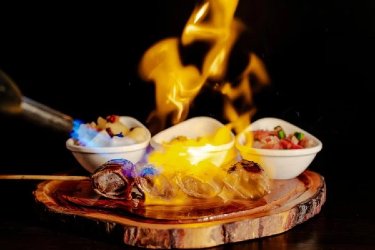 Food has always been more than just a necessity for survival. Across centuries, it has acted as a bridge between cultures, communities, and traditions. Today, it is common to find dishes from across the globe served in cities and towns far from where they originated. From Italian pasta and Mexican tacos to Japanese sushi and Indian curries, global cuisine has become an everyday part of modern culture.
This worldwide blending of food traditions did not happen overnight. Instead, it developed gradually through centuries of trade, migration, exploration, and cultural exchange. By looking at the historical roots of global cuisine, we can better understand how international food became such an important part of modern life.
Early Trade Routes Shaped Global Cuisine
One of the earliest ways food traditions spread across cultures was through international trade. Ancient trade routes allowed merchants to transport goods, ingredients, and spices between distant regions. The famous Silk Road, which connected Asia, the Middle East, and Europe, played a particularly important role in introducing new flavors to different parts of the world.
 Spices such as cinnamon, pepper, and cloves traveled thousands of miles along these routes. These ingredients dramatically influenced the cuisines of the countries that received them. What began as rare and expensive imports eventually became central elements of many regional dishes.
Maritime trade routes later expanded this exchange even further. As ships began connecting continents, ingredients such as potatoes, tomatoes, and chili peppers spread globally and transformed traditional cooking methods.
Exploration and Colonial Influence
The Age of Exploration in the 15th and 16th centuries accelerated the spread of food traditions. European explorers traveling to the Americas, Asia, and Africa encountered entirely new ingredients and cooking styles. These discoveries were brought back to Europe and gradually incorporated into local cuisines.
For example, ingredients now considered staples in many countries, such as tomatoes in Italian cooking or chilies in Asian cuisine, were originally introduced through global exploration and trade. This period dramatically reshaped food culture by introducing new crops and flavor profiles across continents.
 Colonial influence also played a role in shaping global food traditions. While this history is complex and often difficult, it contributed to the exchange of cooking methods, ingredients, and culinary techniques between regions.
Migration and the Spread of Culinary Traditions
Migration has had one of the most lasting impacts on how global cuisine became embedded in modern culture. When people move to new countries, they bring their culinary traditions with them. These traditions often become part of the cultural identity of immigrant communities. Restaurants frequently serve as a way for migrants to preserve and share their heritage. Over time, these establishments introduce new foods to wider audiences, allowing local communities to experience flavors they might never have encountered before.
Many cuisines have evolved through this process. Dishes are sometimes adapted to use locally available ingredients or to suit the tastes of a new audience. This blending of traditions often results in unique regional variations of traditional foods.
The Role of Cities in Culinary Exchange
Cities have historically acted as centers of cultural exchange, making them important spaces for culinary diversity. Port cities and major trade hubs often became melting pots of different cultures and cuisines.
In these urban environments, food traditions from around the world could interact and influence each other. Markets, restaurants, and street food vendors offered opportunities for people to experience new dishes and cooking styles. Over time, these international influences became woven into the identity of the city itself. Today, many cities are celebrated for their multicultural food scenes.
Media and Modern Food Culture
While history laid the foundation for global cuisine, modern media has significantly accelerated its popularity. Cooking programs, travel documentaries, and social media platforms regularly showcase dishes from around the world. This exposure has encouraged people to experiment with new ingredients and seek out international restaurants. Food has become a form of cultural exploration, allowing individuals to experience different traditions through flavor. The growing interest in global cuisine has also inspired chefs to experiment with fusion cooking, combining elements from different cultures to create innovative dishes.
 One of the clearest examples of global cuisine becoming embedded in modern culture can be seen in the popularity of Indian food in the UK. Over the decades, Indian cuisine has become a beloved part of British dining culture.
Dishes such as curry, biryani, and tandoori chicken are now widely enjoyed across the country. Indian restaurants play a key role in sharing these flavors while introducing diners to the variety and richness of regional Indian cooking. In cities like Bristol, diners searching for the best Indian restaurant Bristol often discover venues that celebrate authentic cooking methods while offering a modern dining experience.
Food Has Become a Cultural Connection
Food has a unique ability to connect people from different backgrounds. Sharing a meal allows individuals to experience another culture’s traditions, ingredients, and stories. In many ways, global cuisine has helped build cultural understanding. By trying foods from different countries, people gain insight into the customs and histories behind those dishes.
Restaurants, food festivals, and cultural events all contribute to this shared experience, helping communities celebrate diversity through food.
The Future of Global Cuisine
As the world becomes increasingly interconnected, global food culture will continue to evolve. New generations of chefs are experimenting with ingredients from multiple cultures, creating dishes that reflect both tradition and innovation. At the same time, there is growing appreciation for authentic cooking methods and regional specialties. Diners are becoming more interested in the origins of their food and the cultural stories behind it.
This balance between tradition and innovation ensures that global cuisine will remain an exciting and meaningful part of modern culture.
Copyrights © 2026 Inspiration Unlimited - iU - Online Global Positivity Media
Any facts, figures or references stated here are made by the author & don't reflect the endorsement of iU at all times unless otherwise drafted by official staff at iU. A part [small/large] could be AI generated content at times and it's inevitable today. If you have a feedback particularly with regards to that, feel free to let us know. This article was first published here on 30th March 2026.
Want to Publish About Your Business / Achievements
Get in TOUCH Right Away!

All chats are end-to-end encrypted by WhatsApp and won't be shared anywhere [won't be stored either].


Whether You're A Small Business, Startup or A Professional,
Give Your Brand A Powerful Digital Footprint
That's Loved by Search Engines & AI Engines Equally
For A Price That's Industry Best...☝