
Whether You're A Small Business, Startup or A Professional,
Give Your Brand A Powerful Digital Footprint
That's Loved by Search Engines & AI Engines Equally
For A Price That's Industry Best...☝

Optimizing Part Quality With High Performance Polymers in Manufacturing
Part quality rarely depends on one decision alone. A drawing can be accurate. A tool can be built well. A process window can look stable. Still, the finished part may fall short if the material cannot withstand the thermal load, chemical exposure, dimensional demands, or long-term stress inherent in the application.
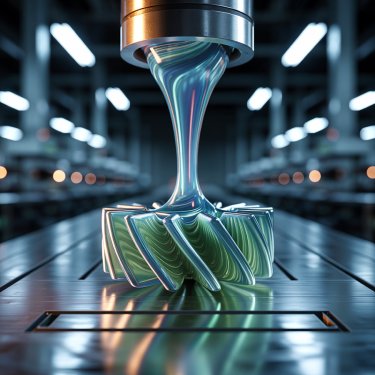 This is one reason high-performance polymers have gained such a strong place in modern manufacturing. They give engineers more control over how parts behave after production, not only during it.
For a more practical view of this topic, we considered input from professionals involved in industrial polymer solutions in Malaysia, where part performance, process control, and material selection often need to work together under tight production requirements. That real-world perspective helps clarify why the choice of polymer can affect quality far beyond the molding stage.
Start With the Performance Target, Not the Material Name
A common mistake in manufacturing is choosing a polymer too early based on habit, supplier familiarity, or a single data point. High-performance materials should be selected from the part’s real job, not from a brand list. That means first considering heat, load, friction, chemical contact, sterilization demands, electrical needs, and dimensional tolerances over time.
This matters because “better resin” is not a useful category on its own. A part that faces repeated steam exposure needs a different material logic than one that sits inside a sealed electronic housing. A component exposed to fuel, cleaning agents, or UV light also has a different set of risks. When the performance target is clear, material selection becomes more disciplined and less vulnerable to trial-and-error decisions later.
A stronger process starts with asking harder questions. What causes failure in the field. What dimension matters most after molding. What kind of stress builds up during use. Once those answers are on the table, high-performance polymers become a practical engineering choice instead of an expensive guess.
Material Stability Often Decides Final Part Quality
Many quality problems show up after the part leaves the press. A component may pass visual inspection and still warp later, lose stiffness at elevated temperature, absorb moisture, crack under chemical exposure, or drift out of tolerance during assembly. This is where higher-grade polymers can make a major difference.
Materials such as PEEK, PPS, PEI, LCP, high-grade nylons, and other engineered polymers are often chosen because they hold their properties better in difficult conditions. That can mean stronger dimensional control, improved chemical resistance, lower creep, or more stable electrical performance. In many applications, those traits do more for part quality than a cosmetic surface finish ever could.
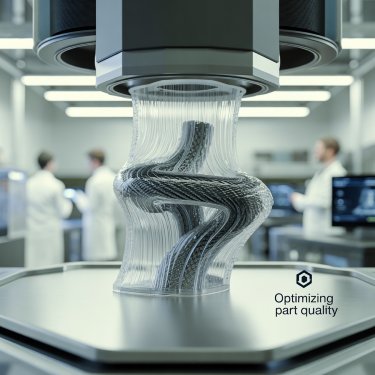 The real value appears in consistency. If the material maintains shape and strength across repeated production runs and continues to do so in service, the manufacturer gains more than just a better part. It results in fewer complaints, less rework, and greater confidence during validation and assembly.
Processing Discipline Matters Just as Much as Resin Choice
A high-performance polymer can still produce weak parts if the process is poorly controlled. These materials often require tighter handling than standard resins. Drying conditions, melt temperature, mold temperature, fill speed, hold pressure, and cooling control can all affect final quality in a much more sensitive way than teams expect.
This is one reason material upgrades sometimes disappoint. The resin itself may be strong, but the process stays tuned for a lower-grade material with very different behavior. Then surface defects, internal stress, poor fill, flash, or dimensional instability appear, and the polymer gets blamed for a process problem. That is an avoidable mistake.
Good results usually come from treating the material and process as one system. Resin data, tool design, machine capability, and production settings need to support one another. When that happens, part quality improves. When it does not, the material’s potential stays mostly theoretical.
Tooling and Part Design Need to Support the Polymer
High-performance polymers do not rescue weak design. In fact, they often make design discipline more important. Wall transitions, gate location, flow length, venting, rib geometry, knit lines, and tolerance strategy all influence how well the resin performs in the real part. A poorly designed geometry can create stress concentration, fill imbalance, or cooling problems no matter how advanced the material may be.
Tooling also has to match the job. Some polymers need higher processing temperatures, more controlled mold heating, better venting, or more attention to wear surfaces. If the tool was built without those needs in mind, part quality may suffer through burn marks, short shots, poor packing, or unstable dimensions. In high-spec applications, that risk becomes too expensive to ignore.
A strong manufacturing approach connects material selection to part design and tooling decisions early on. That may mean adjusting the draft, changing the wall thickness, moving a gate, or rethinking insert locations. Those changes are usually far less costly before production than after a part begins to fail during assembly or use.
Quality Gains Often Show Up in the Secondary Effects
Manufacturers sometimes look for immediate proof of value only in tensile strength or lab numbers. In practice, high-performance polymers often improve quality through secondary effects that matter just as much. A more stable material may reduce scrap. A cleaner fill pattern may improve cosmetic uniformity. Better thermal performance may reduce post-mold distortion. Stronger chemical resistance may cut warranty claims long after shipment.
These effects are easy to miss if the team looks too narrowly at upfront material cost. A resin that costs more per kilogram can still lower total manufacturing cost if it reduces rejects, eases assembly, extends tool life, or prevents field failure. In many production environments, that broader picture is where the business case becomes stronger.
Different Industries Need Different Polymer Priorities
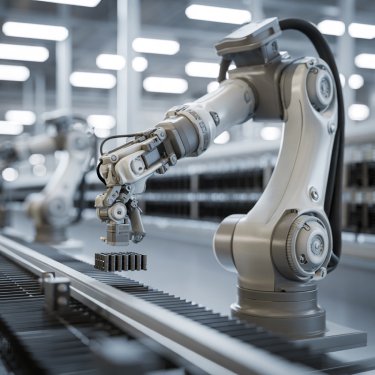 The best polymer for part quality depends heavily on the industry. Electronics manufacturers may care most about dielectric performance, thermal stability, and dimensional accuracy in thin-wall parts. Medical manufacturers may focus on biocompatibility, sterilization resistance, and clean surface finish. Automotive teams may prioritize heat resistance, fluid contact, mechanical strength, and long-term reliability under vibration.
Industrial equipment brings its own demands. Wear components, housings, guides, seals, and structural plastic parts often need toughness, low friction, or resistance to oils and process chemicals. In these environments, a high-performance polymer may replace metal in some parts, reduce weight, and still preserve the required service life.
That is why broad claims about “best material” usually fail. Good manufacturing teams tie quality goals to the exact part, process, and industry conditions involved. The same polymer that performs beautifully in one application may be the wrong fit in another. Context decides value.
Better Results Come From a Full Manufacturing View
Part quality improves fastest when the material strategy is treated as part of the manufacturing strategy, not as a late-stage purchase decision. Engineers, toolmakers, process teams, and quality teams all need to work from the same definition of success. That includes not only appearance and dimensions, but also long-term performance, assembly behavior, and field reliability.
High-performance polymers can make that job easier, but only when they are matched to the part with care. The gains come from fit. Fit between resin and environment. Fit between tool and process. Fit between part design and production reality. When those pieces line up, quality becomes more predictable and much easier to scale.
For manufacturers aiming to reduce variation and improve reliability, high-performance polymers offer real advantages. The strongest results do not come from chasing the most advanced material in the catalog. They come from choosing the right one, processing it well, and building the whole production plan around the part’s actual demands.
This is one reason high-performance polymers have gained such a strong place in modern manufacturing. They give engineers more control over how parts behave after production, not only during it.For a more practical view of this topic, we considered input from professionals involved in industrial polymer solutions in Malaysia, where part performance, process control, and material selection often need to work together under tight production requirements. That real-world perspective helps clarify why the choice of polymer can affect quality far beyond the molding stage.
Start With the Performance Target, Not the Material Name
A common mistake in manufacturing is choosing a polymer too early based on habit, supplier familiarity, or a single data point. High-performance materials should be selected from the part’s real job, not from a brand list. That means first considering heat, load, friction, chemical contact, sterilization demands, electrical needs, and dimensional tolerances over time.
This matters because “better resin” is not a useful category on its own. A part that faces repeated steam exposure needs a different material logic than one that sits inside a sealed electronic housing. A component exposed to fuel, cleaning agents, or UV light also has a different set of risks. When the performance target is clear, material selection becomes more disciplined and less vulnerable to trial-and-error decisions later.
A stronger process starts with asking harder questions. What causes failure in the field. What dimension matters most after molding. What kind of stress builds up during use. Once those answers are on the table, high-performance polymers become a practical engineering choice instead of an expensive guess.
Material Stability Often Decides Final Part Quality
Many quality problems show up after the part leaves the press. A component may pass visual inspection and still warp later, lose stiffness at elevated temperature, absorb moisture, crack under chemical exposure, or drift out of tolerance during assembly. This is where higher-grade polymers can make a major difference.
Materials such as PEEK, PPS, PEI, LCP, high-grade nylons, and other engineered polymers are often chosen because they hold their properties better in difficult conditions. That can mean stronger dimensional control, improved chemical resistance, lower creep, or more stable electrical performance. In many applications, those traits do more for part quality than a cosmetic surface finish ever could.
The real value appears in consistency. If the material maintains shape and strength across repeated production runs and continues to do so in service, the manufacturer gains more than just a better part. It results in fewer complaints, less rework, and greater confidence during validation and assembly.Processing Discipline Matters Just as Much as Resin Choice
A high-performance polymer can still produce weak parts if the process is poorly controlled. These materials often require tighter handling than standard resins. Drying conditions, melt temperature, mold temperature, fill speed, hold pressure, and cooling control can all affect final quality in a much more sensitive way than teams expect.
This is one reason material upgrades sometimes disappoint. The resin itself may be strong, but the process stays tuned for a lower-grade material with very different behavior. Then surface defects, internal stress, poor fill, flash, or dimensional instability appear, and the polymer gets blamed for a process problem. That is an avoidable mistake.
Good results usually come from treating the material and process as one system. Resin data, tool design, machine capability, and production settings need to support one another. When that happens, part quality improves. When it does not, the material’s potential stays mostly theoretical.
Tooling and Part Design Need to Support the Polymer
High-performance polymers do not rescue weak design. In fact, they often make design discipline more important. Wall transitions, gate location, flow length, venting, rib geometry, knit lines, and tolerance strategy all influence how well the resin performs in the real part. A poorly designed geometry can create stress concentration, fill imbalance, or cooling problems no matter how advanced the material may be.
Tooling also has to match the job. Some polymers need higher processing temperatures, more controlled mold heating, better venting, or more attention to wear surfaces. If the tool was built without those needs in mind, part quality may suffer through burn marks, short shots, poor packing, or unstable dimensions. In high-spec applications, that risk becomes too expensive to ignore.
A strong manufacturing approach connects material selection to part design and tooling decisions early on. That may mean adjusting the draft, changing the wall thickness, moving a gate, or rethinking insert locations. Those changes are usually far less costly before production than after a part begins to fail during assembly or use.
Quality Gains Often Show Up in the Secondary Effects
Manufacturers sometimes look for immediate proof of value only in tensile strength or lab numbers. In practice, high-performance polymers often improve quality through secondary effects that matter just as much. A more stable material may reduce scrap. A cleaner fill pattern may improve cosmetic uniformity. Better thermal performance may reduce post-mold distortion. Stronger chemical resistance may cut warranty claims long after shipment.
These effects are easy to miss if the team looks too narrowly at upfront material cost. A resin that costs more per kilogram can still lower total manufacturing cost if it reduces rejects, eases assembly, extends tool life, or prevents field failure. In many production environments, that broader picture is where the business case becomes stronger.
Different Industries Need Different Polymer Priorities
The best polymer for part quality depends heavily on the industry. Electronics manufacturers may care most about dielectric performance, thermal stability, and dimensional accuracy in thin-wall parts. Medical manufacturers may focus on biocompatibility, sterilization resistance, and clean surface finish. Automotive teams may prioritize heat resistance, fluid contact, mechanical strength, and long-term reliability under vibration.Industrial equipment brings its own demands. Wear components, housings, guides, seals, and structural plastic parts often need toughness, low friction, or resistance to oils and process chemicals. In these environments, a high-performance polymer may replace metal in some parts, reduce weight, and still preserve the required service life.
That is why broad claims about “best material” usually fail. Good manufacturing teams tie quality goals to the exact part, process, and industry conditions involved. The same polymer that performs beautifully in one application may be the wrong fit in another. Context decides value.
Better Results Come From a Full Manufacturing View
Part quality improves fastest when the material strategy is treated as part of the manufacturing strategy, not as a late-stage purchase decision. Engineers, toolmakers, process teams, and quality teams all need to work from the same definition of success. That includes not only appearance and dimensions, but also long-term performance, assembly behavior, and field reliability.
High-performance polymers can make that job easier, but only when they are matched to the part with care. The gains come from fit. Fit between resin and environment. Fit between tool and process. Fit between part design and production reality. When those pieces line up, quality becomes more predictable and much easier to scale.
For manufacturers aiming to reduce variation and improve reliability, high-performance polymers offer real advantages. The strongest results do not come from chasing the most advanced material in the catalog. They come from choosing the right one, processing it well, and building the whole production plan around the part’s actual demands.
Copyrights © 2026 Inspiration Unlimited - iU - Online Global Positivity Media
Any facts, figures or references stated here are made by the author & don't reflect the endorsement of iU at all times unless otherwise drafted by official staff at iU. A part [small/large] could be AI generated content at times and it's inevitable today. If you have a feedback particularly with regards to that, feel free to let us know. This article was first published here on 17th March 2026.
Want to Publish About Your Business / Achievements
Get in TOUCH Right Away!

All chats are end-to-end encrypted by WhatsApp and won't be shared anywhere [won't be stored either].


Whether You're A Small Business, Startup or A Professional,
Give Your Brand A Powerful Digital Footprint
That's Loved by Search Engines & AI Engines Equally
For A Price That's Industry Best...☝