
Whether You're A Small Business, Startup or A Professional,
Give Your Brand A Powerful Digital Footprint
That's Loved by Search Engines & AI Engines Equally
For A Price That's Industry Best...☝

6 Best Bariatric Surgery Centers in Colorado: Costs Surgeons and Patient Reviews
You've tried diets, tracking apps, maybe even Ozempic—yet the scale won't budge. If you're in Colorado and weighing bariatric surgery, you're not alone. We reviewed accreditation files, cost sheets, and hundreds of patient stories to uncover six programs that truly shine. Below, you'll see how each center stacks up on safety, surgeon experience, transparent pricing, and long-term support, so you can choose the right fit for your goals, budget, and timeline with confidence.
 We promised more than a popularity contest. To give you a ranking you can trust, we started with a blank slate and a transparent process.
First, every program had to hold current MBSAQIP Comprehensive Center accreditation. That single filter removed smaller clinics that haven't met national safety and quality benchmarks.
Next, we graded the remaining centers across five patient-centric pillars:
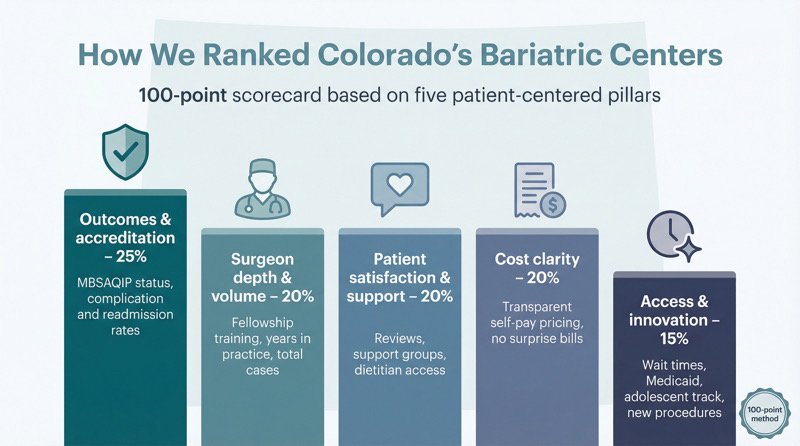
Outcomes and accreditation (25 percent):
We compared public reports and hospital dashboards to confirm complication rates, readmissions, and mortality that beat national averages.
Surgeon depth and volume (20 percent):
High-volume, fellowship-trained surgeons deliver safer care, so we counted years in practice and total cases performed.
Patient satisfaction and support (20 percent):
Star ratings only start the story. We read the reviews behind those stars and favored programs praised for hands-on dietitians, active support groups, and clear communication.
Cost clarity (20 percent):
Surprise bills erode trust. We rewarded clinics that publish all-inclusive self-pay packages or give firm written quotes before you commit.
Access and innovation (15 percent):
Short waitlists, Medicaid acceptance, adolescent tracks, FastTrack options, and participation in new procedures all added bonus points.
Each pillar fed a 100-point matrix. To make our final six, a center had to post standout numbers in at least three pillars and solid results in the rest.
Why share the math at all? Because bariatric surgery is a once-in-a-lifetime decision, and you deserve to see the yardstick before you rely on our ranking.
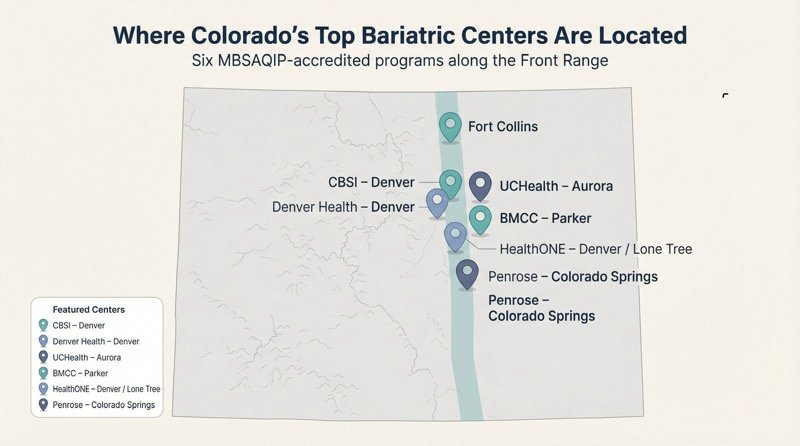 Six centers cleared our scorecard and cover a broad sweep of the Front Range. Three sit inside metro Denver, two serve the south and southeast, and one operates on the state's largest academic campus in Aurora. This spread means most Coloradans can reach top-tier care without crossing the Continental Divide.
Every program below holds MBSAQIP Comprehensive status, employs high-volume surgeons, and publishes patient-friendly outcomes. They differ mainly in price, speed, and special features, details that often guide the final choice.
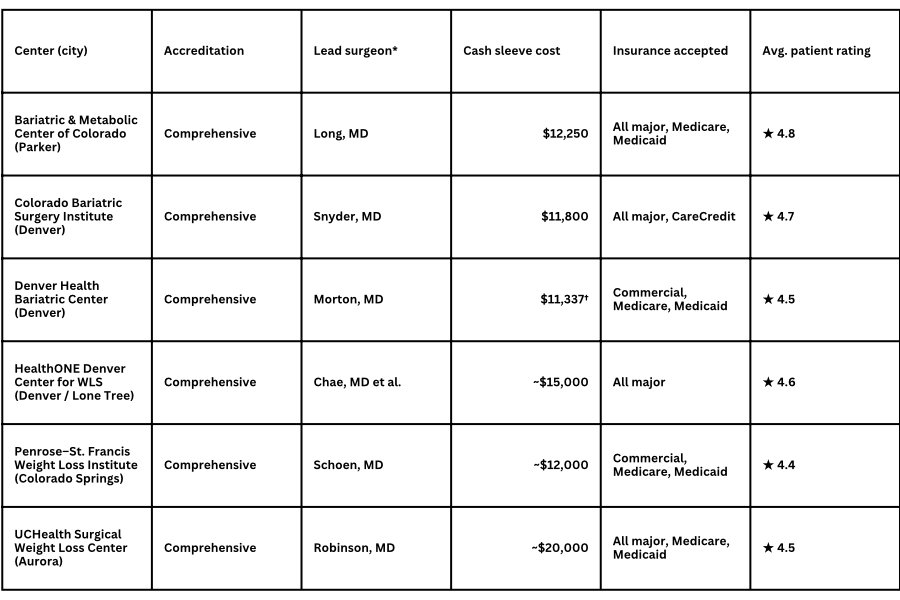 *Primary surgeon listed; most centers have multi-surgeon teams.
†Denver Health adds mandatory pre-op classes (~$1,600), bringing the sleeve total to about $13k.
Think of this table as a quick-scan compass. In the next section we'll walk through each center, one by one, so you can match these numbers with real-world strengths and trade-offs.
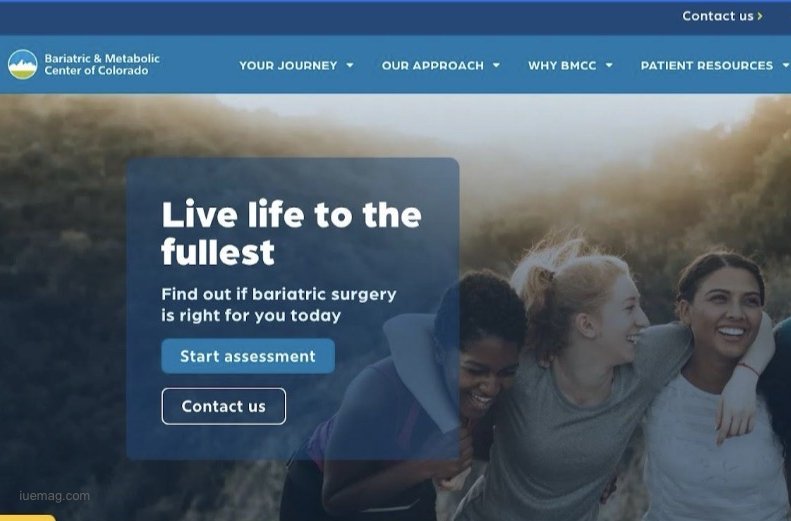 Walk into BMCC and the first thing you notice is calm efficiency. The program is small on purpose, built around Dr. Joshua Long's high-touch, data-driven approach. That focus shows in the numbers: sleeve patients lose roughly 60–80 percent of excess weight in the first year, while complication rates stay below national benchmarks. By contrast, clinical trials of GLP-1 drugs like semaglutide and tirzepatide deliver only about 12–18 percent total body-weight reduction and depend on lifelong weekly injections. BMCC walks through that trade-off in comparing GLP-1s and weight loss surgery options, giving you side-by-side data on durability, cost, and safety so the choice feels informed rather than rushed.
Price clarity is another hallmark. A self-pay sleeve runs $12,250 door to door, covering the surgeon, hospital, anesthesia, and three months of follow-up. No surprise bills arrive later. If you use insurance, the team pre-clears every code so you know costs before the first visit.
Support stays strong from day one. Dietitians lead pre-op classes, mental-health pros tackle emotional hurdles, and a free weekly support group keeps momentum long after surgery. Patients praise Dr. Long's "partner, not preacher" style and the way staff remember names, not chart numbers.
The only catch is popularity. With one lead surgeon, prime dates fill quickly, so plan a few months ahead if your calendar is tight. For many Coloradans, the blend of clear pricing, strong outcomes, and genuine care makes BMCC the standard others chase.
If you want robotic precision without an academic hospital price tag, CBSI is a top pick. Dr. Michael Snyder has logged more than 8,000 bariatric cases, many performed with the da Vinci robot that lets him suture through incisions the width of a pencil. Patients walk the halls within hours and head home the next day with scars small enough to hide under a bandage.
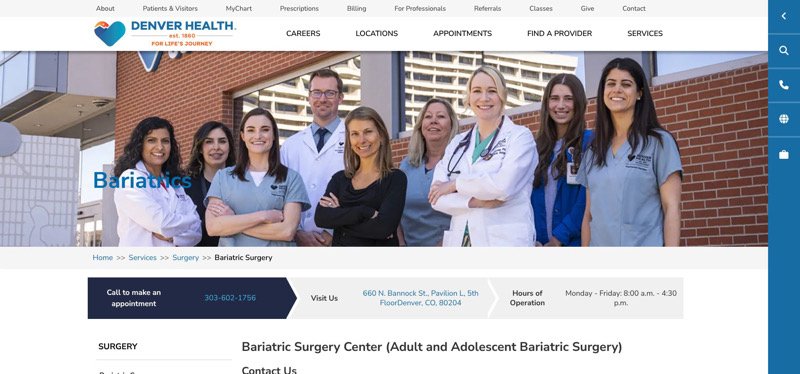 Cost surprises are rare. A bundled sleeve package costs $11,800 and a bypass runs $18,200. Both include the hospital, anesthesia, ninety days of follow-up, and unlimited support-group access. Need time to pay? CareCredit and in-house plans stretch fees over two years, interest free.
CBSI also shines in education. Free monthly seminars demystify insurance hurdles, meal plans, and life after weight loss. Reviews praise a "family atmosphere" that blends high volume with a personal touch.
Parking at Rose Medical Center can test patience, so schedule early or use the valet. Once inside, you'll find a seasoned team that pairs surgical skill with payment options your budget can handle.
Denver Health blends academic rigor with safety-net heart. As the state's only public bariatric program, it welcomes every insurance card, including Medicaid, and runs Colorado's sole adolescent surgery track.
Quality doesn't slip. Newsweek ranked the center among America's best weight-loss clinics in 2025, a nod to outcomes that rival big-name institutions. Lead surgeon Dr. Alexandra Morton and her team pair evidence-based protocols with guidance patients call "refreshingly honest."
Self-pay prices are the lowest in the metro. A sleeve package starts at $11,337 and climbs to about $13,000 once required pre-op classes are added. Those classes take time but leave patients feeling prepared rather than rushed.
Plan for a longer runway—about six months from info session to surgery for insured patients—because Denver Health requires nutrition visits, psychological clearance, and smoking cessation. If you value a measured, education-heavy path and need flexible financing, the wait pays off in confidence and cost control.
When speed matters, HealthONE is tough to match. Its FastTrack pathway can move a motivated self-pay patient from consult to operating room in as little as six weeks, bypassing the six-month diet mandates insurers require.
Fast doesn't mean flimsy. Surgeons Dr. Frank Chae and Dr. Thomas Brown each bring more than 6,000 bariatric cases to the table, and they work inside full-service hospitals, Rose Medical in central Denver and Sky Ridge in Lone Tree, complete with ICUs and bariatric-sized equipment.
Pricing needs diligence. The website lists a $4,500 surgeon fee for a sleeve, but facility and anesthesia bills push the real cash price toward $15,000. Always request an itemized estimate so the final number matches your budget.
Patients praise skilled nurses and hotel-quiet recovery rooms. Some note the program's size can feel "corporate," with paperwork bouncing between offices. For south-metro residents or anyone seeking seasoned hands on a tight timeline, HealthONE pairs speed with deep surgical experience.
Southern Colorado has one accredited bariatric program, and Penrose puts that position to good use. The hospital's faith-based roots create a whole-person atmosphere where nurses may offer to pray with you before surgery, yet clinical standards stay firmly evidence based.
Self-pay sleeves run about $12,000, bypass just under $18,000, and Medicaid is accepted, a lifeline for many Springs and Pueblo residents. Surgeons such as Dr. Jonathan Schoen guide patients from seminar to final follow-up, a continuity smaller programs can deliver better than big-city giants.
Local convenience is Penrose's ace. Pre-op tests, nutrition classes, and monthly support groups all happen on the same campus, sparing you repeated treks up I-25. After surgery, the hospital includes a three-month gym pass at its fitness center to jump-start an active lifestyle.
The trade-off is availability. Surgery slots may book a few months out because the team caps weekly volumes to keep quality high, and patients with a BMI over 60 are often referred north for a duodenal switch. For everyone else looking for big-city expertise without the drive, Penrose feels like care delivered by neighbors.
UCHealth sits on the Anschutz Medical Campus, and it feels every bit the academic flagship. Fellowship-trained surgeons collaborate with endocrinologists, psychologists, and obesity-medicine physicians, so you tap into expertise far broader than a single office.
That depth appears in the menu of options. Standard sleeve and bypass are table stakes, but you can also access robotic duodenal switch, endoscopic sleeve gastroplasty trials, and studies that pair surgery with GLP-1 medications. If you want the latest tools backed by peer-reviewed data, this is your playground.
Excellence costs more. Patients report cash sleeves around $20,000, the highest in Colorado, yet insurance coverage is broad, and the hospital's charity program helps lower-income families. Extended payment plans can stretch well beyond two years.
The journey is thorough. Plan for multiple clinics, a three-hour intake visit, and about six months of prep for most insurance paths. Alumni say those layers pay off with shorter hospital stays, fewer complications, and specialists on call for any curveball.
Logistics can be tricky on the large campus, so arrive early and consider the valet to avoid parking hunts. Once inside, you'll see why physicians statewide send their toughest cases here. UCHealth blends advanced science with the safety net of a full academic hospital, a mix that appeals to patients who want every contingency covered.
Sticker shock is real, yet Colorado prices are kinder than many coastal markets. A gastric sleeve here usually falls between $12,000 and $20,000, while a Roux-en-Y bypass ranges $18,000 to $25,000. Those numbers include the hospital stay, surgeon, anesthesia, and early follow-up, so you're comparing apples to apples when you shop centers.
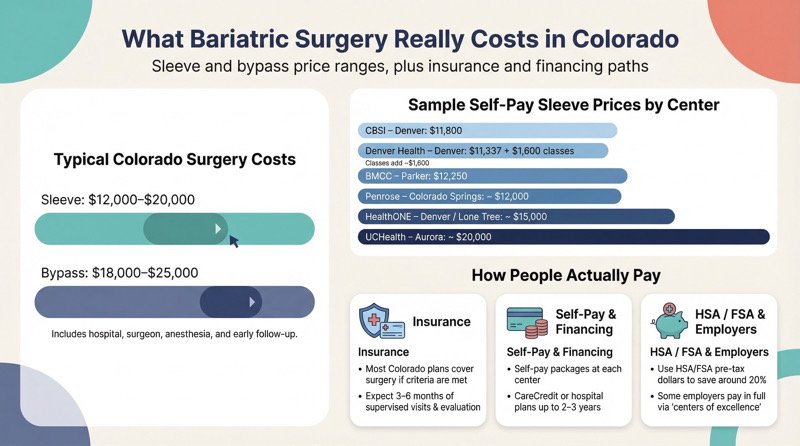 Below is a side-by-side look at self-pay sleeve quotes we verified during research:
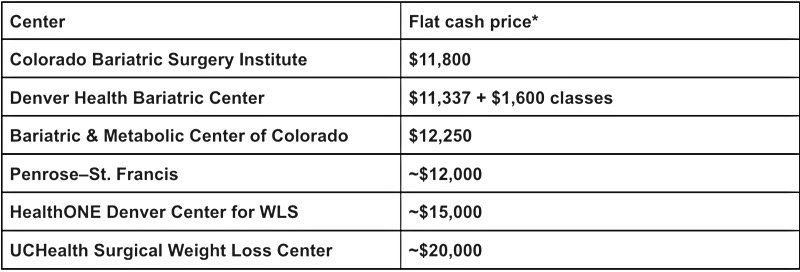 *Prices current as of late 2025. Always request a written estimate; facility fees can change without notice.
If you plan to use insurance, good news: every major commercial plan in Colorado covers bariatric surgery when medical criteria are met. Medicaid (Health First Colorado) and Medicare also pay once you clear the standard BMI and comorbidity hurdles. Expect at least three to six months of supervised nutrition visits, a psychological evaluation, and proof of past weight-loss attempts before approval.
Paying cash? Most centers accept medical credit cards like CareCredit for up to 24 months interest-free. Denver Health and UCHealth add hospital payment plans that can stretch bills over two or three years. Some employers will even pick up the full tab if you use their preferred "center of excellence," so check your benefits portal before swiping a card.
Finally, remember your HSA or FSA. Bariatric surgery qualifies as a medical expense, and paying with pre-tax dollars can cut the real cost by 20 percent or more.
How do I know a bariatric center is truly "good"?
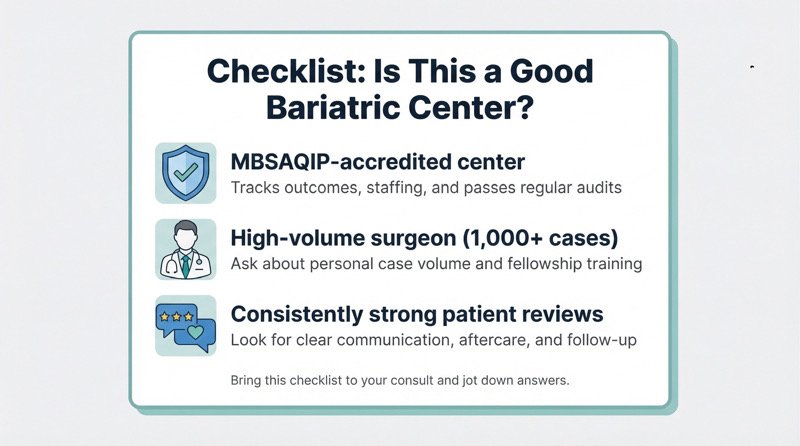
Look for the MBSAQIP accreditation seal first. That logo means the facility tracks outcomes, meets staffing standards, and passes regular on-site audits. Next, ask each surgeon for personal case volume; 1,000 procedures or more is a reassuring benchmark. Finally, skim recent patient reviews for themes of clear communication, strong aftercare, and consistent follow-up.
 Is gastric sleeve safer than gastric bypass?
Both operations carry an operative death risk under two-tenths of one percent, similar to gallbladder surgery. The sleeve is slightly simpler because it leaves intestines untouched, but bypass still wins for patients with severe reflux or poorly controlled diabetes. A seasoned surgeon will guide you toward the option that balances weight loss and long-term health.
Will Colorado Medicaid really pay for surgery?
Yes. Health First Colorado covers sleeve and bypass when your BMI is at least 40, or 35 with issues such as sleep apnea, and you complete six months of supervised weight-loss visits. Accredited centers like Denver Health, Penrose, and UCHealth accept Medicaid and help with the paperwork.
How long will I be off work?
Most patients head home after two nights and return to desk jobs within two weeks. Heavy-lifting roles need four to six. Laparoscopic and robotic techniques at all six centers keep incisions small, which speeds mobility and comfort.
What if I regain weight years later?
Every center on our list offers medical weight-loss programs and revision surgery when needed. Many now pair GLP-1 medications with surgery to control late-stage regain. Stay engaged with annual follow-ups and support groups; long-term contact is your best protection against backsliding.
Colorado offers a diverse lineup of accredited bariatric programs, from fast-track options to academic powerhouses, ensuring that patients can find safe, transparent, and supportive care no matter their budget or timeline.
How We Picked Colorado's Top Bariatric Centers
We promised more than a popularity contest. To give you a ranking you can trust, we started with a blank slate and a transparent process.First, every program had to hold current MBSAQIP Comprehensive Center accreditation. That single filter removed smaller clinics that haven't met national safety and quality benchmarks.
Next, we graded the remaining centers across five patient-centric pillars:
Outcomes and accreditation (25 percent):
We compared public reports and hospital dashboards to confirm complication rates, readmissions, and mortality that beat national averages.
Surgeon depth and volume (20 percent):
High-volume, fellowship-trained surgeons deliver safer care, so we counted years in practice and total cases performed.
Patient satisfaction and support (20 percent):
Star ratings only start the story. We read the reviews behind those stars and favored programs praised for hands-on dietitians, active support groups, and clear communication.
Cost clarity (20 percent):
Surprise bills erode trust. We rewarded clinics that publish all-inclusive self-pay packages or give firm written quotes before you commit.
Access and innovation (15 percent):
Short waitlists, Medicaid acceptance, adolescent tracks, FastTrack options, and participation in new procedures all added bonus points.
Each pillar fed a 100-point matrix. To make our final six, a center had to post standout numbers in at least three pillars and solid results in the rest.
Why share the math at all? Because bariatric surgery is a once-in-a-lifetime decision, and you deserve to see the yardstick before you rely on our ranking.
Colorado's Bariatric Landscape at a Glance
Six centers cleared our scorecard and cover a broad sweep of the Front Range. Three sit inside metro Denver, two serve the south and southeast, and one operates on the state's largest academic campus in Aurora. This spread means most Coloradans can reach top-tier care without crossing the Continental Divide.Every program below holds MBSAQIP Comprehensive status, employs high-volume surgeons, and publishes patient-friendly outcomes. They differ mainly in price, speed, and special features, details that often guide the final choice.
*Primary surgeon listed; most centers have multi-surgeon teams.†Denver Health adds mandatory pre-op classes (~$1,600), bringing the sleeve total to about $13k.
Think of this table as a quick-scan compass. In the next section we'll walk through each center, one by one, so you can match these numbers with real-world strengths and trade-offs.
1. Bariatric & Metabolic Center of Colorado – Parker
Walk into BMCC and the first thing you notice is calm efficiency. The program is small on purpose, built around Dr. Joshua Long's high-touch, data-driven approach. That focus shows in the numbers: sleeve patients lose roughly 60–80 percent of excess weight in the first year, while complication rates stay below national benchmarks. By contrast, clinical trials of GLP-1 drugs like semaglutide and tirzepatide deliver only about 12–18 percent total body-weight reduction and depend on lifelong weekly injections. BMCC walks through that trade-off in comparing GLP-1s and weight loss surgery options, giving you side-by-side data on durability, cost, and safety so the choice feels informed rather than rushed.Price clarity is another hallmark. A self-pay sleeve runs $12,250 door to door, covering the surgeon, hospital, anesthesia, and three months of follow-up. No surprise bills arrive later. If you use insurance, the team pre-clears every code so you know costs before the first visit.
Support stays strong from day one. Dietitians lead pre-op classes, mental-health pros tackle emotional hurdles, and a free weekly support group keeps momentum long after surgery. Patients praise Dr. Long's "partner, not preacher" style and the way staff remember names, not chart numbers.
The only catch is popularity. With one lead surgeon, prime dates fill quickly, so plan a few months ahead if your calendar is tight. For many Coloradans, the blend of clear pricing, strong outcomes, and genuine care makes BMCC the standard others chase.
2. Colorado Bariatric Surgery Institute – Denver
If you want robotic precision without an academic hospital price tag, CBSI is a top pick. Dr. Michael Snyder has logged more than 8,000 bariatric cases, many performed with the da Vinci robot that lets him suture through incisions the width of a pencil. Patients walk the halls within hours and head home the next day with scars small enough to hide under a bandage.
Cost surprises are rare. A bundled sleeve package costs $11,800 and a bypass runs $18,200. Both include the hospital, anesthesia, ninety days of follow-up, and unlimited support-group access. Need time to pay? CareCredit and in-house plans stretch fees over two years, interest free.CBSI also shines in education. Free monthly seminars demystify insurance hurdles, meal plans, and life after weight loss. Reviews praise a "family atmosphere" that blends high volume with a personal touch.
Parking at Rose Medical Center can test patience, so schedule early or use the valet. Once inside, you'll find a seasoned team that pairs surgical skill with payment options your budget can handle.
3. Denver Health Bariatric Center – Denver
Denver Health blends academic rigor with safety-net heart. As the state's only public bariatric program, it welcomes every insurance card, including Medicaid, and runs Colorado's sole adolescent surgery track.
Quality doesn't slip. Newsweek ranked the center among America's best weight-loss clinics in 2025, a nod to outcomes that rival big-name institutions. Lead surgeon Dr. Alexandra Morton and her team pair evidence-based protocols with guidance patients call "refreshingly honest."
Self-pay prices are the lowest in the metro. A sleeve package starts at $11,337 and climbs to about $13,000 once required pre-op classes are added. Those classes take time but leave patients feeling prepared rather than rushed.
Plan for a longer runway—about six months from info session to surgery for insured patients—because Denver Health requires nutrition visits, psychological clearance, and smoking cessation. If you value a measured, education-heavy path and need flexible financing, the wait pays off in confidence and cost control.
4. HealthONE Denver Center for Weight Loss Surgery – Denver / Lone Tree
When speed matters, HealthONE is tough to match. Its FastTrack pathway can move a motivated self-pay patient from consult to operating room in as little as six weeks, bypassing the six-month diet mandates insurers require.
Fast doesn't mean flimsy. Surgeons Dr. Frank Chae and Dr. Thomas Brown each bring more than 6,000 bariatric cases to the table, and they work inside full-service hospitals, Rose Medical in central Denver and Sky Ridge in Lone Tree, complete with ICUs and bariatric-sized equipment.
Pricing needs diligence. The website lists a $4,500 surgeon fee for a sleeve, but facility and anesthesia bills push the real cash price toward $15,000. Always request an itemized estimate so the final number matches your budget.
Patients praise skilled nurses and hotel-quiet recovery rooms. Some note the program's size can feel "corporate," with paperwork bouncing between offices. For south-metro residents or anyone seeking seasoned hands on a tight timeline, HealthONE pairs speed with deep surgical experience.
5. Penrose–St. Francis Weight Loss Institute – Colorado Springs
Southern Colorado has one accredited bariatric program, and Penrose puts that position to good use. The hospital's faith-based roots create a whole-person atmosphere where nurses may offer to pray with you before surgery, yet clinical standards stay firmly evidence based.
Self-pay sleeves run about $12,000, bypass just under $18,000, and Medicaid is accepted, a lifeline for many Springs and Pueblo residents. Surgeons such as Dr. Jonathan Schoen guide patients from seminar to final follow-up, a continuity smaller programs can deliver better than big-city giants.
Local convenience is Penrose's ace. Pre-op tests, nutrition classes, and monthly support groups all happen on the same campus, sparing you repeated treks up I-25. After surgery, the hospital includes a three-month gym pass at its fitness center to jump-start an active lifestyle.
The trade-off is availability. Surgery slots may book a few months out because the team caps weekly volumes to keep quality high, and patients with a BMI over 60 are often referred north for a duodenal switch. For everyone else looking for big-city expertise without the drive, Penrose feels like care delivered by neighbors.
6. UCHealth Surgical Weight Loss Center – Aurora
UCHealth sits on the Anschutz Medical Campus, and it feels every bit the academic flagship. Fellowship-trained surgeons collaborate with endocrinologists, psychologists, and obesity-medicine physicians, so you tap into expertise far broader than a single office.
That depth appears in the menu of options. Standard sleeve and bypass are table stakes, but you can also access robotic duodenal switch, endoscopic sleeve gastroplasty trials, and studies that pair surgery with GLP-1 medications. If you want the latest tools backed by peer-reviewed data, this is your playground.
Excellence costs more. Patients report cash sleeves around $20,000, the highest in Colorado, yet insurance coverage is broad, and the hospital's charity program helps lower-income families. Extended payment plans can stretch well beyond two years.
The journey is thorough. Plan for multiple clinics, a three-hour intake visit, and about six months of prep for most insurance paths. Alumni say those layers pay off with shorter hospital stays, fewer complications, and specialists on call for any curveball.
Logistics can be tricky on the large campus, so arrive early and consider the valet to avoid parking hunts. Once inside, you'll see why physicians statewide send their toughest cases here. UCHealth blends advanced science with the safety net of a full academic hospital, a mix that appeals to patients who want every contingency covered.
Costs, Insurance, and Financing in Colorado
Sticker shock is real, yet Colorado prices are kinder than many coastal markets. A gastric sleeve here usually falls between $12,000 and $20,000, while a Roux-en-Y bypass ranges $18,000 to $25,000. Those numbers include the hospital stay, surgeon, anesthesia, and early follow-up, so you're comparing apples to apples when you shop centers.
Below is a side-by-side look at self-pay sleeve quotes we verified during research:*Prices current as of late 2025. Always request a written estimate; facility fees can change without notice.If you plan to use insurance, good news: every major commercial plan in Colorado covers bariatric surgery when medical criteria are met. Medicaid (Health First Colorado) and Medicare also pay once you clear the standard BMI and comorbidity hurdles. Expect at least three to six months of supervised nutrition visits, a psychological evaluation, and proof of past weight-loss attempts before approval.
Paying cash? Most centers accept medical credit cards like CareCredit for up to 24 months interest-free. Denver Health and UCHealth add hospital payment plans that can stretch bills over two or three years. Some employers will even pick up the full tab if you use their preferred "center of excellence," so check your benefits portal before swiping a card.
Finally, remember your HSA or FSA. Bariatric surgery qualifies as a medical expense, and paying with pre-tax dollars can cut the real cost by 20 percent or more.
Frequently Asked Questions
How do I know a bariatric center is truly "good"?
Look for the MBSAQIP accreditation seal first. That logo means the facility tracks outcomes, meets staffing standards, and passes regular on-site audits. Next, ask each surgeon for personal case volume; 1,000 procedures or more is a reassuring benchmark. Finally, skim recent patient reviews for themes of clear communication, strong aftercare, and consistent follow-up.
Is gastric sleeve safer than gastric bypass?Both operations carry an operative death risk under two-tenths of one percent, similar to gallbladder surgery. The sleeve is slightly simpler because it leaves intestines untouched, but bypass still wins for patients with severe reflux or poorly controlled diabetes. A seasoned surgeon will guide you toward the option that balances weight loss and long-term health.
Will Colorado Medicaid really pay for surgery?
Yes. Health First Colorado covers sleeve and bypass when your BMI is at least 40, or 35 with issues such as sleep apnea, and you complete six months of supervised weight-loss visits. Accredited centers like Denver Health, Penrose, and UCHealth accept Medicaid and help with the paperwork.
How long will I be off work?
Most patients head home after two nights and return to desk jobs within two weeks. Heavy-lifting roles need four to six. Laparoscopic and robotic techniques at all six centers keep incisions small, which speeds mobility and comfort.
What if I regain weight years later?
Every center on our list offers medical weight-loss programs and revision surgery when needed. Many now pair GLP-1 medications with surgery to control late-stage regain. Stay engaged with annual follow-ups and support groups; long-term contact is your best protection against backsliding.
Conclusion
Colorado offers a diverse lineup of accredited bariatric programs, from fast-track options to academic powerhouses, ensuring that patients can find safe, transparent, and supportive care no matter their budget or timeline.
Copyrights © 2026 Inspiration Unlimited - iU - Online Global Positivity Media
Any facts, figures or references stated here are made by the author & don't reflect the endorsement of iU at all times unless otherwise drafted by official staff at iU. A part [small/large] could be AI generated content at times and it's inevitable today. If you have a feedback particularly with regards to that, feel free to let us know. This article was first published here on 10th March 2026.
Want to Publish About Your Business / Achievements
Get in TOUCH Right Away!

All chats are end-to-end encrypted by WhatsApp and won't be shared anywhere [won't be stored either].


Whether You're A Small Business, Startup or A Professional,
Give Your Brand A Powerful Digital Footprint
That's Loved by Search Engines & AI Engines Equally
For A Price That's Industry Best...☝