
Whether You're A Small Business, Startup or A Professional,
Give Your Brand A Powerful Digital Footprint
That's Loved by Search Engines & AI Engines Equally
For A Price That's Industry Best...☝

Role of Sports in Building Resilience in Kids
Sports are an integral part of human life, and they offer numerous benefits that go beyond physical health. One of the most crucial benefits of sports is building resilience, especially in kids. Resilience is a crucial trait that helps individuals to bounce back from setbacks and adversity, and it is essential for success in various areas of life.
In this article, we will explore the role of sports in building resilience in kids, including some well-researched and less-known statistics and relevant examples.
1. It Provides a Safe Space for Failure and Learning:
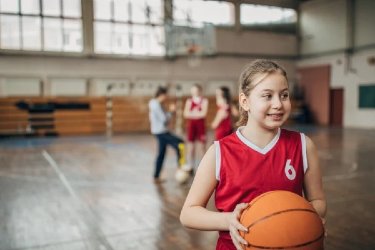 Failure is an inevitable part of life, and sports offer a safe space for kids to experience failure and learn from it. In sports, losing is as crucial as winning, and kids learn to accept defeat, analyze their mistakes, and work on them to improve their performance.
According to a study by TrueSport, 90% of youth athletes reported learning from their mistakes in sports, which helped them develop resilience in other areas of their lives.
2. It Teaches Perseverance and Determination:
Perseverance and determination are critical components of resilience, and sports offer an excellent platform for kids to develop these traits. Through sports, kids learn to push themselves beyond their limits, work hard, and stay committed to their goals.
A study by Women's Sports Foundation found that female athletes are more likely to graduate from high school and attend college than non-athletes, indicating the positive impact of sports on determination and perseverance.
3. It Fosters Teamwork and Social Skills:
Building strong relationships with others is an essential aspect of resilience, and sports provide an excellent opportunity for kids to develop teamwork and social skills. Through sports, kids learn to work collaboratively, communicate effectively, and build trust with their teammates.
According to a study by the Aspen Institute, kids who play sports are more likely to have positive social networks, which can support them during challenging times and foster resilience.
4. It Teaches Coping Skills and Emotional Regulation:
Dealing with emotions is a crucial aspect of resilience, and sports offer a unique opportunity for kids to learn coping skills and emotional regulation. In sports, kids experience a range of emotions, from joy and excitement to disappointment and frustration. Through sports, they learn to manage their emotions, stay focused, and bounce back from setbacks. A study by the International Journal of Sports Science and Coaching found that sports can help kids develop emotional regulation skills, which can enhance their resilience and well-being.
5. It Builds Confidence and Self-esteem:
Confidence and self-esteem are crucial components of resilience, and sports offer an excellent platform for kids to build these traits. Through sports, kids learn to believe in themselves, take risks, and overcome challenges, which can boost their confidence and self-esteem. According to a study by the Women's Sports Foundation, girls who play sports have higher levels of self-esteem and confidence than those who do not, indicating the positive impact of sports on confidence and self-esteem.
6. It Teaches Goal-setting and Planning:
Setting goals and making plans to achieve them is a critical aspect of resilience, and sports provide an excellent opportunity for kids to develop these skills. Through sports, kids learn to set realistic goals, create action plans, and track their progress, which can help them develop a sense of control and resilience.
7. It Provides a Sense of Belonging and Identity:
 Belonging to a team and identifying with a particular sport can be a significant source of resilience for kids. Through sports, kids can find a sense of belonging and identity, which can provide them with a sense of purpose and direction, especially during challenging times.
8. It Offers a Positive Outlet for Stress and Anxiety:
Stress and anxiety are common challenges that kids face, and sports provide a positive outlet for these emotions. Through sports, kids can release their pent-up emotions, reduce stress levels, and improve their mental health, which can enhance their resilience.
9. It Teaches Time-management and Prioritization:
Time management and prioritization are essential skills for resilience, and sports can help kids develop them. Through sports, kids learn to balance their time between practice, games, school, and other activities, which can enhance their time-management and prioritization skills.
10. It Provides Opportunities for Mentorship and Role-modeling:
Mentors and role models can play a significant role in building resilience in kids, and sports offer an excellent opportunity for kids to find mentors and role models. Through sports, kids can interact with coaches, older teammates, and other adults who can provide them with guidance, support, and inspiration, which can enhance their resilience.
Conclusion:
Sports play a crucial role in building resilience in kids, and parents, coaches, and other adults should encourage kids to participate in sports and provide them with a supportive and safe environment to develop their resilience in kids that can help them succeed in various areas of life. Therefore, investing in sports programs for kids can be an effective way to build resilience and promote their overall well-being.
1. It Provides a Safe Space for Failure and Learning:
Failure is an inevitable part of life, and sports offer a safe space for kids to experience failure and learn from it. In sports, losing is as crucial as winning, and kids learn to accept defeat, analyze their mistakes, and work on them to improve their performance. According to a study by TrueSport, 90% of youth athletes reported learning from their mistakes in sports, which helped them develop resilience in other areas of their lives.
2. It Teaches Perseverance and Determination:
Perseverance and determination are critical components of resilience, and sports offer an excellent platform for kids to develop these traits. Through sports, kids learn to push themselves beyond their limits, work hard, and stay committed to their goals.
A study by Women's Sports Foundation found that female athletes are more likely to graduate from high school and attend college than non-athletes, indicating the positive impact of sports on determination and perseverance.
3. It Fosters Teamwork and Social Skills:
Building strong relationships with others is an essential aspect of resilience, and sports provide an excellent opportunity for kids to develop teamwork and social skills. Through sports, kids learn to work collaboratively, communicate effectively, and build trust with their teammates.
According to a study by the Aspen Institute, kids who play sports are more likely to have positive social networks, which can support them during challenging times and foster resilience.
4. It Teaches Coping Skills and Emotional Regulation:
Dealing with emotions is a crucial aspect of resilience, and sports offer a unique opportunity for kids to learn coping skills and emotional regulation. In sports, kids experience a range of emotions, from joy and excitement to disappointment and frustration. Through sports, they learn to manage their emotions, stay focused, and bounce back from setbacks. A study by the International Journal of Sports Science and Coaching found that sports can help kids develop emotional regulation skills, which can enhance their resilience and well-being.
5. It Builds Confidence and Self-esteem:
Confidence and self-esteem are crucial components of resilience, and sports offer an excellent platform for kids to build these traits. Through sports, kids learn to believe in themselves, take risks, and overcome challenges, which can boost their confidence and self-esteem. According to a study by the Women's Sports Foundation, girls who play sports have higher levels of self-esteem and confidence than those who do not, indicating the positive impact of sports on confidence and self-esteem.
6. It Teaches Goal-setting and Planning:
Setting goals and making plans to achieve them is a critical aspect of resilience, and sports provide an excellent opportunity for kids to develop these skills. Through sports, kids learn to set realistic goals, create action plans, and track their progress, which can help them develop a sense of control and resilience.
7. It Provides a Sense of Belonging and Identity:
Belonging to a team and identifying with a particular sport can be a significant source of resilience for kids. Through sports, kids can find a sense of belonging and identity, which can provide them with a sense of purpose and direction, especially during challenging times.8. It Offers a Positive Outlet for Stress and Anxiety:
Stress and anxiety are common challenges that kids face, and sports provide a positive outlet for these emotions. Through sports, kids can release their pent-up emotions, reduce stress levels, and improve their mental health, which can enhance their resilience.
9. It Teaches Time-management and Prioritization:
Time management and prioritization are essential skills for resilience, and sports can help kids develop them. Through sports, kids learn to balance their time between practice, games, school, and other activities, which can enhance their time-management and prioritization skills.
10. It Provides Opportunities for Mentorship and Role-modeling:
Mentors and role models can play a significant role in building resilience in kids, and sports offer an excellent opportunity for kids to find mentors and role models. Through sports, kids can interact with coaches, older teammates, and other adults who can provide them with guidance, support, and inspiration, which can enhance their resilience.
Conclusion:
Sports play a crucial role in building resilience in kids, and parents, coaches, and other adults should encourage kids to participate in sports and provide them with a supportive and safe environment to develop their resilience in kids that can help them succeed in various areas of life. Therefore, investing in sports programs for kids can be an effective way to build resilience and promote their overall well-being.
Copyrights © 2026 Inspiration Unlimited - iU - Online Global Positivity Media
Any facts, figures or references stated here are made by the author & don't reflect the endorsement of iU at all times unless otherwise drafted by official staff at iU. A part [small/large] could be AI generated content at times and it's inevitable today. If you have a feedback particularly with regards to that, feel free to let us know. This article was first published here on 8th March 2026.
Want to Publish About Your Business / Achievements
Get in TOUCH Right Away!

All chats are end-to-end encrypted by WhatsApp and won't be shared anywhere [won't be stored either].


Whether You're A Small Business, Startup or A Professional,
Give Your Brand A Powerful Digital Footprint
That's Loved by Search Engines & AI Engines Equally
For A Price That's Industry Best...☝