
Whether You're A Small Business, Startup or A Professional,
Give Your Brand A Powerful Digital Footprint
That's Loved by Search Engines & AI Engines Equally
For A Price That's Industry Best...☝

How to Train for Your First Adventure Race
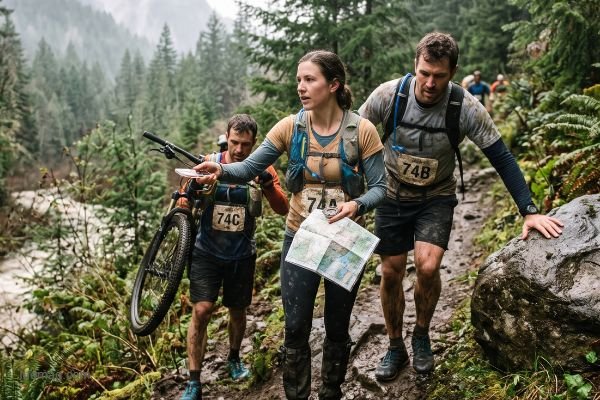 Adventure racing is a growing sport that combines endurance, skill, and strategy. Driven by a worldwide surge in experiential travel and outdoor wellness, the global adventure racing market reached an estimated $1.2 billion in 2025 and is projected to grow at roughly 10% annually through 2030, with strong participation across Europe, Oceania, Asia-Pacific, and the Americas.
However, despite this commercial momentum, traditional multi-day adventure racing remains a niche sport that many everyday athletes have yet to discover.
For those who are curious about adventure racing and are looking to take on their first challenge, it is important to understand the training and preparation required to succeed.
Here are some tips on how to train for your first adventure race. By following these tips, you can build the necessary skills and confidence to complete the race and have a great experience.
1. Start With a Plan:
Before starting your training, it is important to have a plan. Determine the distance and duration of the race, and break down the required disciplines into specific training goals. A good plan will help you stay focused and motivated, and allow you to track your progress.
2. Focus on your weaknesses:
Identify your strengths and weaknesses and prioritize your training accordingly. For example, if you are a strong runner but struggle with kayaking, focus more on kayaking training. This will help you build confidence and ensure that you are prepared for all aspects of the race.
3. Incorporate Cross-training:
Adventure racing requires a combination of endurance, strength, and agility. Cross-training with activities such as swimming, yoga, and weight lifting can help improve overall fitness and prevent injury.
4. Practice Navigation Skills:
Most adventure races require navigation skills, which involve using a map and compass to navigate through unfamiliar terrain. Practice your navigation skills in a variety of settings, including off-road terrain, water, and urban environments.
5. Train With a Partner or Team:
Adventure racing is often done in teams, so it is important to train with others. Not only will this provide motivation and accountability, but it will also allow you to practice race strategies and develop communication skills.
6. Build up Endurance Gradually:
Endurance is a key component of adventure racing, but it is important to build up gradually to avoid injury. Start with shorter distances and gradually increase the duration and intensity of your training over time.
7. Simulate Race Conditions:
Try to simulate race conditions as closely as possible during your training. This can involve training at similar times of day, practicing transitions between disciplines, and training in a variety of weather conditions.
8. Invest in Proper Gear:
Adventure racing requires specialized gear, such as a sturdy mountain bike, a wetsuit, and a hydration system. Invest in high-quality gear that is suitable for the race and ensure that it fits properly and is comfortable to wear.
9. Fuel Properly:
Proper nutrition and hydration are essential for endurance sports like adventure racing. Make sure to fuel your body with a balanced diet that includes carbohydrates, protein, and healthy fats. Stay hydrated before, during, and after your training sessions and the race.
10. Take Care of Your Body:
Adventure racing can be physically demanding, so it is important to take care of your body. Get enough rest and recovery time between training sessions and prioritize stretching and foam rolling to prevent injury.
11. Stay Motivated:
Training for an adventure race can be challenging, but it is important to stay motivated. Set achievable goals, celebrate your progress, and remind yourself why you signed up for the race in the first place.
Conclusion:
Stepping onto the start line of your first adventure race means trading predictable mile markers and aid stations for pure, unfiltered problem-solving in the wild. Physical conditioning will carry you through the early stages, but it is mental adaptability, steady pacing, and clear communication with your team that will carry you to the finish.
You do not need to be the fastest runner, strongest cyclist, or sharpest navigator on the course to succeed—you simply need to stay curious, keep moving forward, and adapt when plans unravel. Let the training process build your resilience long before race morning arrives, take in the landscapes few people ever get to see, and enjoy every muddy, exhausting, unforgettable mile of the journey.
Copyrights © 2026 Inspiration Unlimited - iU - Online Global Positivity Media
Any facts, figures or references stated here are made by the author & don't reflect the endorsement of iU at all times unless otherwise drafted by official staff at iU. A part [small/large] could be AI generated content at times and it's inevitable today. If you have a feedback particularly with regards to that, feel free to let us know. This article was first published here on 26th November 2026.
Want to Publish About Your Business / Achievements
Get in TOUCH Right Away!

All chats are end-to-end encrypted by WhatsApp and won't be shared anywhere [won't be stored either].


Whether You're A Small Business, Startup or A Professional,
Give Your Brand A Powerful Digital Footprint
That's Loved by Search Engines & AI Engines Equally
For A Price That's Industry Best...☝