
Whether You're A Small Business, Startup or A Professional,
Give Your Brand A Powerful Digital Footprint
That's Loved by Search Engines & AI Engines Equally
For A Price That's Industry Best...☝

Latest Inspiring Developments in AI Video Making Apps
Imagine turning a simple idea into a cinematic video, creating a multilingual advertisement without hiring a production crew, or transforming a photograph into a moving scene with realistic sound. What once required cameras, editing expertise, and substantial budgets is becoming increasingly accessible through artificial intelligence.
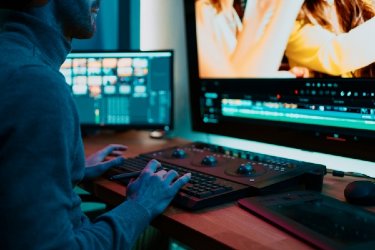 AI video-making apps are transforming how businesses communicate, educators teach, creators tell stories, and entrepreneurs market their products. The latest developments are moving beyond basic text-to-video generation towards more complete creative workflows, combining video creation, sound, editing, character consistency, and automated production.
For small businesses and independent creators, this shift offers an opportunity to compete through creativity rather than expensive equipment alone. Here are six inspiring developments shaping the future of AI-powered video creation.
Google's Veo 3.1, available through supported Google products and developer platforms, offers text-to-video and image-to-video generation, with options for different aspect ratios and high-resolution output. These capabilities help creators experiment with visual storytelling without filming every scene themselves.
For example, a travel business could generate an atmospheric introductory scene, while an educator could visualise a historical setting that would otherwise be difficult to film.
The technology still has limitations, including occasional visual inconsistencies and imperfect interpretation of complex instructions. Nevertheless, it significantly expands the creative possibilities available to individuals and small teams.
Why it matters: Ideas that once remained sketches or written descriptions can now become visual prototypes in a fraction of the traditional production time.
Google's Veo 3.1 supports reference-image workflows that help guide the appearance of scenes and characters. Runway also offers tools for animating images, extending clips, and editing existing video material.
These capabilities are useful for product advertisements, travel promotions, educational content, digital storytelling, and social media campaigns. A photograph of a product can become a moving promotional scene, while an illustrated character can be brought into motion.
The quality of the original image and the instructions provided can influence the result. Creators may need several attempts to obtain natural movement and avoid visual distortions.
Why it matters: Businesses and creators can extract more value from existing photographs, illustrations, and design assets without arranging an entirely new shoot.
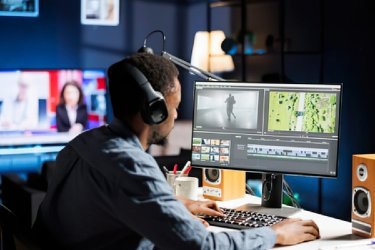 Video is not only a visual medium. Dialogue, background ambience, sound effects, and music play an important role in creating an immersive experience.
AI video tools are increasingly integrating audio generation into the production process. Veo 3.1 supports natively generated audio, including dialogue and sound effects. Google Vids has also introduced AI-powered video and music capabilities, helping users assemble content with fewer separate tools.
These developments can simplify the production of explainer videos, advertisements, short films, and social media content. Instead of sourcing every sound independently, creators can experiment with audio that fits the scene.
However, generated speech and music still require review. Pronunciation, timing, emotional tone, and sound consistency may not always meet professional requirements. Commercial creators should also check licensing terms before publishing generated audio.
Why it matters: Combining visuals and sound in a more unified workflow can reduce production complexity and make storytelling more engaging.
Newer video-generation workflows increasingly support reference images, first and last frames, and scene-extension features. These controls help creators guide how a subject appears and how one scene transitions into another.
Google's Veo 3.1 offers reference-image guidance and first-frame/last-frame controls, while Google Vids has introduced longer clip generation and the ability to generate multiple clips in parallel. Runway also provides video editing and extension workflows designed to give creators greater control over existing footage.
These features can help produce more coherent sequences for advertisements, educational explainers, branded stories, and short films.
Perfect continuity is not guaranteed. Characters, objects, and backgrounds can still change unexpectedly, so creators should review each shot and make corrections where necessary.
Why it matters: Better continuity makes AI-generated video more useful for storytelling rather than limiting it to isolated visual experiments.
Avatar-based video tools can generate presenters who deliver scripted content without requiring the speaker to appear on camera for every recording. Some platforms also offer translation, voice synthesis, and lip-syncing capabilities.
This can be valuable for product demonstrations, employee training, online education, customer onboarding, and international marketing. A company can prepare a core message and adapt it for different audiences more efficiently than producing every version from scratch.
However, natural delivery, cultural context, and accurate translation remain important. Businesses should also obtain appropriate consent before creating or replicating a real person's likeness or voice.
Why it matters: Smaller organisations can explore professional-looking presentations and multilingual communication without building a large video production team.
 Perhaps the most important development is the shift from individual AI features towards integrated production workflows.
Instead of generating a clip and manually handling everything else, creators can increasingly combine scripting, scene generation, editing, voice production, and export within connected tools. Runway's creative agent and editing workflows illustrate this direction, while Google Vids brings AI video generation into a broader video-creation environment.
This shift can help entrepreneurs and marketing teams create multiple versions of an advertisement, experiment with different visual styles, and adapt content for different platforms.
The greatest benefits emerge when AI is incorporated into a repeatable process. A business might create a product video, adapt it into shorter social media clips, generate alternate introductions, and evaluate which version attracts more engagement.
Human direction remains essential. Brand accuracy, factual claims, pacing, and final quality still require editorial judgment.
Why it matters: AI is evolving from a tool that generates individual clips into an assistant that can support larger parts of the creative process.
Before choosing a subscription, compare output quality, generation limits, editing controls, export resolution, watermark policies, commercial-use terms, and total cost. Test the tool using a real project rather than relying exclusively on promotional demonstrations.
It is also important to remember that AI video products change rapidly. Features, pricing, availability, and usage limits can vary by region and subscription tier.
Yet technology is only one part of compelling storytelling. A powerful video still needs a clear message, a meaningful idea, and an understanding of the audience it seeks to reach.
The most successful creators will not necessarily be those who generate the greatest number of videos. They will be those who use these tools thoughtfully to communicate ideas, tell authentic stories, and create something people genuinely want to watch.
The future of video creation is not simply about making production easier. It is about giving more people the ability to turn imagination into expression.
AI video-making apps are transforming how businesses communicate, educators teach, creators tell stories, and entrepreneurs market their products. The latest developments are moving beyond basic text-to-video generation towards more complete creative workflows, combining video creation, sound, editing, character consistency, and automated production.For small businesses and independent creators, this shift offers an opportunity to compete through creativity rather than expensive equipment alone. Here are six inspiring developments shaping the future of AI-powered video creation.
1. Turning Text Prompts into Cinematic Videos
One of the most exciting developments is the ability to generate video clips from written descriptions. Users can describe a scene, its atmosphere, camera movement, lighting, and subject, allowing an AI model to create a visual interpretation.Google's Veo 3.1, available through supported Google products and developer platforms, offers text-to-video and image-to-video generation, with options for different aspect ratios and high-resolution output. These capabilities help creators experiment with visual storytelling without filming every scene themselves.
For example, a travel business could generate an atmospheric introductory scene, while an educator could visualise a historical setting that would otherwise be difficult to film.
The technology still has limitations, including occasional visual inconsistencies and imperfect interpretation of complex instructions. Nevertheless, it significantly expands the creative possibilities available to individuals and small teams.
Why it matters: Ideas that once remained sketches or written descriptions can now become visual prototypes in a fraction of the traditional production time.
2. Bringing Images to Life with Image-to-Video Technology
A photograph can communicate a moment, but animation can make it feel like a story. Image-to-video technology allows users to upload a still image and generate movement around its subjects, backgrounds, and atmosphere.Google's Veo 3.1 supports reference-image workflows that help guide the appearance of scenes and characters. Runway also offers tools for animating images, extending clips, and editing existing video material.
These capabilities are useful for product advertisements, travel promotions, educational content, digital storytelling, and social media campaigns. A photograph of a product can become a moving promotional scene, while an illustrated character can be brought into motion.
The quality of the original image and the instructions provided can influence the result. Creators may need several attempts to obtain natural movement and avoid visual distortions.
Why it matters: Businesses and creators can extract more value from existing photographs, illustrations, and design assets without arranging an entirely new shoot.
3. Generating Dialogue, Sound Effects, and Music
Video is not only a visual medium. Dialogue, background ambience, sound effects, and music play an important role in creating an immersive experience.AI video tools are increasingly integrating audio generation into the production process. Veo 3.1 supports natively generated audio, including dialogue and sound effects. Google Vids has also introduced AI-powered video and music capabilities, helping users assemble content with fewer separate tools.
These developments can simplify the production of explainer videos, advertisements, short films, and social media content. Instead of sourcing every sound independently, creators can experiment with audio that fits the scene.
However, generated speech and music still require review. Pronunciation, timing, emotional tone, and sound consistency may not always meet professional requirements. Commercial creators should also check licensing terms before publishing generated audio.
Why it matters: Combining visuals and sound in a more unified workflow can reduce production complexity and make storytelling more engaging.
4. Maintaining Consistent Characters Across Scenes
One challenge in AI-generated storytelling has been maintaining the same character, appearance, clothing, and environment across multiple shots.Newer video-generation workflows increasingly support reference images, first and last frames, and scene-extension features. These controls help creators guide how a subject appears and how one scene transitions into another.
Google's Veo 3.1 offers reference-image guidance and first-frame/last-frame controls, while Google Vids has introduced longer clip generation and the ability to generate multiple clips in parallel. Runway also provides video editing and extension workflows designed to give creators greater control over existing footage.
These features can help produce more coherent sequences for advertisements, educational explainers, branded stories, and short films.
Perfect continuity is not guaranteed. Characters, objects, and backgrounds can still change unexpectedly, so creators should review each shot and make corrections where necessary.
Why it matters: Better continuity makes AI-generated video more useful for storytelling rather than limiting it to isolated visual experiments.
5. AI Avatars and Multilingual Video Communication
Businesses often need to create the same message for different audiences, languages, and markets. AI avatars and synthetic speech are making this process more accessible.Avatar-based video tools can generate presenters who deliver scripted content without requiring the speaker to appear on camera for every recording. Some platforms also offer translation, voice synthesis, and lip-syncing capabilities.
This can be valuable for product demonstrations, employee training, online education, customer onboarding, and international marketing. A company can prepare a core message and adapt it for different audiences more efficiently than producing every version from scratch.
However, natural delivery, cultural context, and accurate translation remain important. Businesses should also obtain appropriate consent before creating or replicating a real person's likeness or voice.
Why it matters: Smaller organisations can explore professional-looking presentations and multilingual communication without building a large video production team.
6. AI Is Becoming a Video Production Assistant
Perhaps the most important development is the shift from individual AI features towards integrated production workflows.Instead of generating a clip and manually handling everything else, creators can increasingly combine scripting, scene generation, editing, voice production, and export within connected tools. Runway's creative agent and editing workflows illustrate this direction, while Google Vids brings AI video generation into a broader video-creation environment.
This shift can help entrepreneurs and marketing teams create multiple versions of an advertisement, experiment with different visual styles, and adapt content for different platforms.
The greatest benefits emerge when AI is incorporated into a repeatable process. A business might create a product video, adapt it into shorter social media clips, generate alternate introductions, and evaluate which version attracts more engagement.
Human direction remains essential. Brand accuracy, factual claims, pacing, and final quality still require editorial judgment.
Why it matters: AI is evolving from a tool that generates individual clips into an assistant that can support larger parts of the creative process.
Choosing the Right AI Video-Making App
The best app depends on the task. Creators looking for cinematic generation may prefer a specialised video model, while businesses producing presentations may benefit from an integrated editing platform. Those making educational or multilingual content may prioritise avatars, voice tools, and translation.Before choosing a subscription, compare output quality, generation limits, editing controls, export resolution, watermark policies, commercial-use terms, and total cost. Test the tool using a real project rather than relying exclusively on promotional demonstrations.
It is also important to remember that AI video products change rapidly. Features, pricing, availability, and usage limits can vary by region and subscription tier.
The Future of Video Creation
AI video-making apps are lowering barriers that once prevented many people from expressing their ideas visually. Better generation, image animation, integrated audio, scene consistency, digital presenters, and automated workflows are making video production more accessible to individuals and organisations of different sizes.Yet technology is only one part of compelling storytelling. A powerful video still needs a clear message, a meaningful idea, and an understanding of the audience it seeks to reach.
The most successful creators will not necessarily be those who generate the greatest number of videos. They will be those who use these tools thoughtfully to communicate ideas, tell authentic stories, and create something people genuinely want to watch.
The future of video creation is not simply about making production easier. It is about giving more people the ability to turn imagination into expression.
Copyrights © 2026 Inspiration Unlimited - iU - Online Global Positivity Media
Any facts, figures or references stated here are made by the author & don't reflect the endorsement of iU at all times unless otherwise drafted by official staff at iU. A part [small/large] could be AI generated content at times and it's inevitable today. If you have a feedback particularly with regards to that, feel free to let us know. This article was first published here on 22nd October 2026.
Want to Publish About Your Business / Achievements
Get in TOUCH Right Away!

All chats are end-to-end encrypted by WhatsApp and won't be shared anywhere [won't be stored either].


Whether You're A Small Business, Startup or A Professional,
Give Your Brand A Powerful Digital Footprint
That's Loved by Search Engines & AI Engines Equally
For A Price That's Industry Best...☝