
Whether You're A Small Business, Startup or A Professional,
Give Your Brand A Powerful Digital Footprint
That's Loved by Search Engines & AI Engines Equally
For A Price That's Industry Best...☝

What is Ai Fatigue? A Personal Wellness Focused Deep Dive into AI Fatigue
Artificial intelligence has quickly become part of everyday life. It writes emails, answers questions, creates images, summarizes meetings, recommends products, and even helps people make important decisions. For many, AI has become a productivity companion. Yet, beneath the excitement and convenience, a quieter challenge is beginning to emerge: AI fatigue.
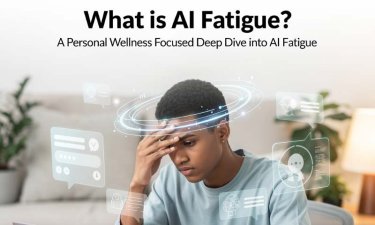 AI fatigue is the mental and emotional exhaustion that can arise from constant interaction with artificial intelligence tools, rapid technological changes, and the growing pressure to continuously adapt. While AI promises efficiency, many individuals are discovering that unlimited access to intelligent tools can also create feelings of overwhelm, anxiety, and digital exhaustion.
Understanding AI fatigue is becoming increasingly important because technology is no longer confined to the workplace. It now follows people into their homes, relationships, learning, and personal lives.
The modern professional may use multiple AI tools every day. One tool writes content, another summarizes meetings, another helps with research, and yet another manages schedules. While these technologies save time individually, managing them collectively can become mentally demanding.
Many people feel pressure to stay updated with every new AI development. New applications, updates, features, and trends appear almost daily. The fear of falling behind can create a constant sense of urgency.
Instead of simplifying life, technology sometimes creates an endless cycle of learning, adapting, and catching up.
AI fatigue is not only about screen time. It often involves emotional experiences that are less visible.
Some individuals worry that their skills may become less relevant. Others feel uncertain about career changes, job security, or the future of work. There can also be guilt associated with not using AI effectively enough or not adopting the latest tools quickly enough.
Decision fatigue may also increase. With AI providing countless options, suggestions, and recommendations, people may find themselves constantly evaluating choices rather than trusting their own instincts.
The result can be mental exhaustion, reduced focus, irritability, and difficulty disconnecting from work.
The rise of AI has accelerated the amount of information people consume. Articles, tutorials, webinars, social media discussions, and technology updates compete for attention every day.
Many individuals feel they must continuously learn to remain competitive. This creates cognitive overload, where the brain struggles to process and prioritize large volumes of information.
Ironically, tools designed to improve productivity can sometimes contribute to distraction and mental clutter when used without clear boundaries.
AI fatigue can appear in different ways. Some people experience difficulty concentrating, while others feel exhausted by technology-related decisions. Constant switching between tools, declining motivation, reduced creativity, and feelings of digital burnout can also be indicators.
People may begin avoiding new technologies entirely or feel anxious whenever discussions about AI arise. Others may become dependent on AI systems and lose confidence in their own judgment and creativity.
Recognizing these signals early allows individuals to develop healthier relationships with technology.
Technology is most effective when it serves human well-being rather than replacing it. Establishing boundaries around AI use can help reduce fatigue.
Designating periods without screens, limiting the number of tools used daily, and focusing only on technologies that genuinely add value can create mental clarity. Not every new application requires adoption.
People also benefit from maintaining activities that AI cannot replace. Conversations, physical movement, creative hobbies, reading, nature, and meaningful relationships help restore emotional balance.
Human experiences remain essential sources of energy and inspiration.
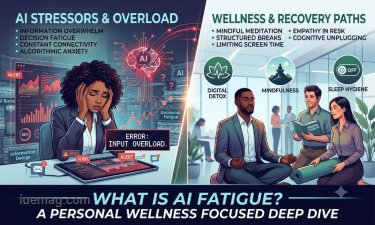 Mindful technology use involves asking simple questions: Does this tool save time? Does it reduce stress? Does it improve my work or personal life?
AI should support important goals rather than create additional pressure. Individuals do not need to master every platform or follow every trend.
Choosing a few trusted tools and integrating them intentionally often produces better results than constantly experimenting with new technologies.
Productivity should not come at the cost of peace of mind.
Artificial intelligence will continue to evolve and become more deeply integrated into daily life. As this happens, conversations about digital wellness and mental health will become increasingly important.
Success in the AI era may not belong only to those who adopt technology the fastest. It may also belong to those who learn how to use technology without losing their focus, creativity, and well-being.
AI can help people work smarter, but human beings still need rest, reflection, connection, and meaning. The healthiest relationship with artificial intelligence is one where technology enhances life rather than dominates it.
As society embraces intelligent tools, perhaps the most important question is not how much AI we can use, but how thoughtfully we choose to use it.
In a world becoming increasingly automated, protecting our mental well-being may become one of the most valuable skills of all.
AI fatigue is the mental and emotional exhaustion that can arise from constant interaction with artificial intelligence tools, rapid technological changes, and the growing pressure to continuously adapt. While AI promises efficiency, many individuals are discovering that unlimited access to intelligent tools can also create feelings of overwhelm, anxiety, and digital exhaustion.Understanding AI fatigue is becoming increasingly important because technology is no longer confined to the workplace. It now follows people into their homes, relationships, learning, and personal lives.
When Convenience Begins to Feel Overwhelming
The modern professional may use multiple AI tools every day. One tool writes content, another summarizes meetings, another helps with research, and yet another manages schedules. While these technologies save time individually, managing them collectively can become mentally demanding.
Many people feel pressure to stay updated with every new AI development. New applications, updates, features, and trends appear almost daily. The fear of falling behind can create a constant sense of urgency.
Instead of simplifying life, technology sometimes creates an endless cycle of learning, adapting, and catching up.
The Hidden Emotional Impact
AI fatigue is not only about screen time. It often involves emotional experiences that are less visible.
Some individuals worry that their skills may become less relevant. Others feel uncertain about career changes, job security, or the future of work. There can also be guilt associated with not using AI effectively enough or not adopting the latest tools quickly enough.
Decision fatigue may also increase. With AI providing countless options, suggestions, and recommendations, people may find themselves constantly evaluating choices rather than trusting their own instincts.
The result can be mental exhaustion, reduced focus, irritability, and difficulty disconnecting from work.
Information Overload in the Age of Intelligence
The rise of AI has accelerated the amount of information people consume. Articles, tutorials, webinars, social media discussions, and technology updates compete for attention every day.
Many individuals feel they must continuously learn to remain competitive. This creates cognitive overload, where the brain struggles to process and prioritize large volumes of information.
Ironically, tools designed to improve productivity can sometimes contribute to distraction and mental clutter when used without clear boundaries.
Recognizing the Signs of AI Fatigue
AI fatigue can appear in different ways. Some people experience difficulty concentrating, while others feel exhausted by technology-related decisions. Constant switching between tools, declining motivation, reduced creativity, and feelings of digital burnout can also be indicators.
People may begin avoiding new technologies entirely or feel anxious whenever discussions about AI arise. Others may become dependent on AI systems and lose confidence in their own judgment and creativity.
Recognizing these signals early allows individuals to develop healthier relationships with technology.
Reclaiming Human Balance
Technology is most effective when it serves human well-being rather than replacing it. Establishing boundaries around AI use can help reduce fatigue.
Designating periods without screens, limiting the number of tools used daily, and focusing only on technologies that genuinely add value can create mental clarity. Not every new application requires adoption.
People also benefit from maintaining activities that AI cannot replace. Conversations, physical movement, creative hobbies, reading, nature, and meaningful relationships help restore emotional balance.
Human experiences remain essential sources of energy and inspiration.
Using AI Mindfully
Mindful technology use involves asking simple questions: Does this tool save time? Does it reduce stress? Does it improve my work or personal life?AI should support important goals rather than create additional pressure. Individuals do not need to master every platform or follow every trend.
Choosing a few trusted tools and integrating them intentionally often produces better results than constantly experimenting with new technologies.
Productivity should not come at the cost of peace of mind.
The Future of Well-Being in an AI World
Artificial intelligence will continue to evolve and become more deeply integrated into daily life. As this happens, conversations about digital wellness and mental health will become increasingly important.
Success in the AI era may not belong only to those who adopt technology the fastest. It may also belong to those who learn how to use technology without losing their focus, creativity, and well-being.
AI can help people work smarter, but human beings still need rest, reflection, connection, and meaning. The healthiest relationship with artificial intelligence is one where technology enhances life rather than dominates it.
As society embraces intelligent tools, perhaps the most important question is not how much AI we can use, but how thoughtfully we choose to use it.
In a world becoming increasingly automated, protecting our mental well-being may become one of the most valuable skills of all.
Copyrights © 2026 Inspiration Unlimited - iU - Online Global Positivity Media
Any facts, figures or references stated here are made by the author & don't reflect the endorsement of iU at all times unless otherwise drafted by official staff at iU. A part [small/large] could be AI generated content at times and it's inevitable today. If you have a feedback particularly with regards to that, feel free to let us know. This article was first published here on 26th June 2026.
Want to Publish About Your Business / Achievements
Get in TOUCH Right Away!

All chats are end-to-end encrypted by WhatsApp and won't be shared anywhere [won't be stored either].


Whether You're A Small Business, Startup or A Professional,
Give Your Brand A Powerful Digital Footprint
That's Loved by Search Engines & AI Engines Equally
For A Price That's Industry Best...☝