
Whether You're A Small Business, Startup or A Professional,
Give Your Brand A Powerful Digital Footprint
That's Loved by Search Engines & AI Engines Equally
For A Price That's Industry Best...☝

Why More Professionals Are Replacing Intense Fitness With Everyday Movement
For years, fitness came packaged in extremes.
Wake up at 5 AM. Push harder. Lift heavier. Run longer. Sweat more. If you were not exhausted, were you even making progress?
For many professionals, especially those balancing demanding careers, family responsibilities, endless notifications, meetings, deadlines, and mental fatigue, fitness quietly became another source of pressure rather than relief.
And then something interesting started happening.
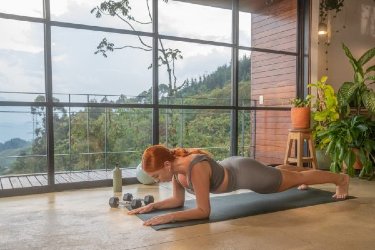 Across workplaces, cities, and lifestyles, many professionals began stepping away from the idea that health only belongs inside a gym or behind a punishing workout routine. Instead, they started embracing something far simpler, sustainable, and surprisingly effective: everyday movement.
Walking during calls. Taking stairs. Stretching between meetings. Short runs. Cycling nearby distances. Standing more often. Taking five-minute movement breaks. Even choosing to park farther away.
It may not look dramatic on social media. It may not come with transformation videos or six-pack promises.
But it is quietly changing lives.
The Problem With Intense Fitness for Busy Professionals
The challenge is sustainability.
For many professionals, the problem is not motivation — it is reality.
Modern work life often means sitting for long hours, irregular schedules, cognitive overload, digital fatigue, and constantly shifting priorities. After an exhausting day of decision-making, client calls, deadlines, and commuting, a 90-minute intense workout can feel less inspiring and more impossible.
This creates an all-or-nothing cycle.
People start enthusiastically.
They commit to ambitious schedules.
Five days a week. One-hour sessions. Strict routines.
Then work gets hectic.
Travel happens.
Energy dips.
Stress increases.
And eventually guilt replaces momentum.
Many quietly stop exercising not because they stopped caring about health — but because the version of fitness they chose was too difficult to sustain.
Professionals are increasingly realizing something powerful:
A moderate routine you can maintain consistently often beats an intense routine you abandon after three weeks.
A growing number of people are shifting their mindset from “exercise sessions” to “movement lifestyles.”
Instead of seeing health as something reserved for a gym hour, they are asking a different question:
“How can movement become part of my everyday life?”
This subtle mindset shift changes everything.
Rather than chasing perfection, professionals are prioritizing consistency.
A 20-minute walk after lunch.
Taking stairs instead of elevators.
Stretching after long meetings.
Standing while speaking on calls.
Walking during brainstorming sessions.
Doing mobility exercises before bed.
A quick jog around the neighborhood.
Small choices begin stacking.
And over time, those small choices create meaningful physical and mental change.
Interestingly, workplace wellness experts increasingly refer to these short bursts as “movement snacks” — brief moments of activity spread through the day that interrupt long periods of sitting and improve energy, focus, posture, circulation, and overall wellbeing.
The idea is simple:
Movement does not have to be intense to matter.
It simply has to happen regularly.
Think about two people.
One does an exhausting workout twice a week but spends most of the remaining time inactive.
The other walks daily, stretches regularly, climbs stairs, stays mobile, and exercises moderately.
Who is healthier over time?
Increasingly, evidence points toward consistency.
Our bodies were designed to move frequently.
Yet modern professional life often traps people into prolonged sitting.
Hours at desks.
Meetings on screens.
Commutes.
Phones.
Late-night work sessions.
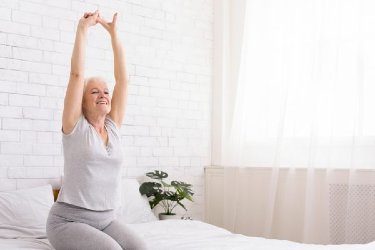 Many professionals are beginning to understand that the real health challenge is not simply lack of exercise — it is lack of movement throughout the day.
This is why everyday movement feels realistic.
It removes friction.
It lowers psychological resistance.
It feels doable even on difficult days.
And because it feels achievable, people actually stick with it.
The best fitness plan is rarely the hardest one.
It is the one you can realistically continue.
There is another reason professionals are making this shift.
Mental exhaustion.
Many careers today demand constant attention, emotional regulation, strategic thinking, and decision-making. By the end of the day, people often feel mentally drained even if they have barely moved physically.
Intense fitness sometimes feels overwhelming in those moments.
Movement, however, feels restorative.
A quiet walk after work.
A short jog before breakfast.
Stretching after sitting too long.
Cycling nearby.
Taking a quick walk between meetings.
These small activities often improve mood without adding emotional pressure.
Movement increases blood circulation, supports cognitive functioning, and helps regulate stress responses. Many professionals describe feeling calmer, clearer, more emotionally stable, and mentally refreshed after even modest activity.
Sometimes, movement becomes less about burning calories and more about recovering sanity.
In a world overloaded with information, movement quietly becomes therapy.
There was a time when fitness culture celebrated extremes.
The louder the grind, the greater the admiration.
No pain. No gain.
Push harder.
Crush limits.
But modern professionals are beginning to ask a difficult question:
At what cost?
People are becoming more aware of burnout — not just professionally but physically and emotionally.
Extreme routines that leave people exhausted, injured, guilty, or inconsistent are increasingly being questioned.
Today, health conversations are shifting toward longevity, sustainability, energy, flexibility, recovery, and overall quality of life.
The new question is not:
“How intense is your routine?”
But:
“Can you realistically sustain this for years?”
This shift matters.
Because fitness should improve life — not become another exhausting obligation.
Interestingly, technology — once blamed for sedentary lifestyles — is also helping reverse the problem.
Fitness watches remind people to stand.
Apps count steps.
Phones track movement.
Short guided stretches appear between meetings.
Walking challenges encourage workplace participation.
Many professionals now treat movement goals the same way they treat productivity goals.
Instead of obsessing over impossible standards, they focus on consistency:
8,000 steps.
Ten minutes of stretching.
A short run.
An evening walk.
Small progress.
Repeated daily.
And that repetition matters more than intensity.
Perhaps what professionals are rediscovering is something deeply natural.
Human beings were not built for endless sitting followed by one hour of punishment.
Historically, movement was part of everyday living.
Walking, carrying, climbing, standing, bending, stretching, working physically.
Life itself involved movement.
Modern professional life removed much of that.
Everyday movement quietly brings some of it back.
It feels less artificial.
Less forced.
Less intimidating.
And more sustainable.
You do not need to become an athlete.
You simply need to move more than yesterday.
The future of health may not belong only to hardcore athletes, expensive memberships, or impossible routines.
It may belong to consistency.
To professionals choosing stairs.
To lunch-break walks.
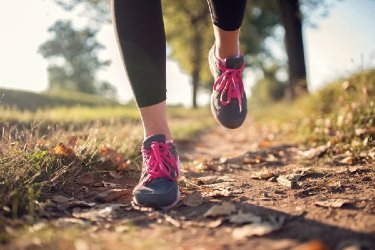 To short daily runs.
To movement between meetings.
To stretching tired backs after long laptop hours.
To ordinary actions repeated consistently.
Because in the end, health rarely changes in dramatic moments.
It changes quietly.
One walk at a time.
One better choice at a time.
One movement at a time.
And perhaps that is why more professionals are replacing intense fitness with everyday movement — not because ambition disappeared, but because sustainability finally started making sense.
Wake up at 5 AM. Push harder. Lift heavier. Run longer. Sweat more. If you were not exhausted, were you even making progress?
For many professionals, especially those balancing demanding careers, family responsibilities, endless notifications, meetings, deadlines, and mental fatigue, fitness quietly became another source of pressure rather than relief.
And then something interesting started happening.
Across workplaces, cities, and lifestyles, many professionals began stepping away from the idea that health only belongs inside a gym or behind a punishing workout routine. Instead, they started embracing something far simpler, sustainable, and surprisingly effective: everyday movement.Walking during calls. Taking stairs. Stretching between meetings. Short runs. Cycling nearby distances. Standing more often. Taking five-minute movement breaks. Even choosing to park farther away.
It may not look dramatic on social media. It may not come with transformation videos or six-pack promises.
But it is quietly changing lives.
The Problem With Intense Fitness for Busy Professionals
There is nothing inherently wrong with intense fitness. High-intensity workouts, strength training, long-distance running, and structured exercise programs offer immense benefits.
The challenge is sustainability.
For many professionals, the problem is not motivation — it is reality.
Modern work life often means sitting for long hours, irregular schedules, cognitive overload, digital fatigue, and constantly shifting priorities. After an exhausting day of decision-making, client calls, deadlines, and commuting, a 90-minute intense workout can feel less inspiring and more impossible.
This creates an all-or-nothing cycle.
People start enthusiastically.
They commit to ambitious schedules.
Five days a week. One-hour sessions. Strict routines.
Then work gets hectic.
Travel happens.
Energy dips.
Stress increases.
And eventually guilt replaces momentum.
Many quietly stop exercising not because they stopped caring about health — but because the version of fitness they chose was too difficult to sustain.
Professionals are increasingly realizing something powerful:
A moderate routine you can maintain consistently often beats an intense routine you abandon after three weeks.
The Rise of Everyday Movement
A growing number of people are shifting their mindset from “exercise sessions” to “movement lifestyles.”
Instead of seeing health as something reserved for a gym hour, they are asking a different question:
“How can movement become part of my everyday life?”
This subtle mindset shift changes everything.
Rather than chasing perfection, professionals are prioritizing consistency.
A 20-minute walk after lunch.
Taking stairs instead of elevators.
Stretching after long meetings.
Standing while speaking on calls.
Walking during brainstorming sessions.
Doing mobility exercises before bed.
A quick jog around the neighborhood.
Small choices begin stacking.
And over time, those small choices create meaningful physical and mental change.
Interestingly, workplace wellness experts increasingly refer to these short bursts as “movement snacks” — brief moments of activity spread through the day that interrupt long periods of sitting and improve energy, focus, posture, circulation, and overall wellbeing.
The idea is simple:
Movement does not have to be intense to matter.
It simply has to happen regularly.
Why Consistency Is Quietly Winning Over Intensity
Think about two people.
One does an exhausting workout twice a week but spends most of the remaining time inactive.
The other walks daily, stretches regularly, climbs stairs, stays mobile, and exercises moderately.
Who is healthier over time?
Increasingly, evidence points toward consistency.
Our bodies were designed to move frequently.
Yet modern professional life often traps people into prolonged sitting.
Hours at desks.
Meetings on screens.
Commutes.
Phones.
Late-night work sessions.
Many professionals are beginning to understand that the real health challenge is not simply lack of exercise — it is lack of movement throughout the day.This is why everyday movement feels realistic.
It removes friction.
It lowers psychological resistance.
It feels doable even on difficult days.
And because it feels achievable, people actually stick with it.
The best fitness plan is rarely the hardest one.
It is the one you can realistically continue.
The Mental Health Advantage Nobody Talks About Enough
There is another reason professionals are making this shift.
Mental exhaustion.
Many careers today demand constant attention, emotional regulation, strategic thinking, and decision-making. By the end of the day, people often feel mentally drained even if they have barely moved physically.
Intense fitness sometimes feels overwhelming in those moments.
Movement, however, feels restorative.
A quiet walk after work.
A short jog before breakfast.
Stretching after sitting too long.
Cycling nearby.
Taking a quick walk between meetings.
These small activities often improve mood without adding emotional pressure.
Movement increases blood circulation, supports cognitive functioning, and helps regulate stress responses. Many professionals describe feeling calmer, clearer, more emotionally stable, and mentally refreshed after even modest activity.
Sometimes, movement becomes less about burning calories and more about recovering sanity.
In a world overloaded with information, movement quietly becomes therapy.
Why Fitness Culture Is Changing
There was a time when fitness culture celebrated extremes.
The louder the grind, the greater the admiration.
No pain. No gain.
Push harder.
Crush limits.
But modern professionals are beginning to ask a difficult question:
At what cost?
People are becoming more aware of burnout — not just professionally but physically and emotionally.
Extreme routines that leave people exhausted, injured, guilty, or inconsistent are increasingly being questioned.
Today, health conversations are shifting toward longevity, sustainability, energy, flexibility, recovery, and overall quality of life.
The new question is not:
“How intense is your routine?”
But:
“Can you realistically sustain this for years?”
This shift matters.
Because fitness should improve life — not become another exhausting obligation.
Technology Is Quietly Encouraging Movement Too
Interestingly, technology — once blamed for sedentary lifestyles — is also helping reverse the problem.
Fitness watches remind people to stand.
Apps count steps.
Phones track movement.
Short guided stretches appear between meetings.
Walking challenges encourage workplace participation.
Many professionals now treat movement goals the same way they treat productivity goals.
Instead of obsessing over impossible standards, they focus on consistency:
8,000 steps.
Ten minutes of stretching.
A short run.
An evening walk.
Small progress.
Repeated daily.
And that repetition matters more than intensity.
Everyday Movement Feels Human Again
Perhaps what professionals are rediscovering is something deeply natural.
Human beings were not built for endless sitting followed by one hour of punishment.
Historically, movement was part of everyday living.
Walking, carrying, climbing, standing, bending, stretching, working physically.
Life itself involved movement.
Modern professional life removed much of that.
Everyday movement quietly brings some of it back.
It feels less artificial.
Less forced.
Less intimidating.
And more sustainable.
You do not need to become an athlete.
You simply need to move more than yesterday.
The Future of Fitness May Look Surprisingly Simple
The future of health may not belong only to hardcore athletes, expensive memberships, or impossible routines.
It may belong to consistency.
To professionals choosing stairs.
To lunch-break walks.
To short daily runs.To movement between meetings.
To stretching tired backs after long laptop hours.
To ordinary actions repeated consistently.
Because in the end, health rarely changes in dramatic moments.
It changes quietly.
One walk at a time.
One better choice at a time.
One movement at a time.
And perhaps that is why more professionals are replacing intense fitness with everyday movement — not because ambition disappeared, but because sustainability finally started making sense.
Copyrights © 2026 Inspiration Unlimited - iU - Online Global Positivity Media
Any facts, figures or references stated here are made by the author & don't reflect the endorsement of iU at all times unless otherwise drafted by official staff at iU. A part [small/large] could be AI generated content at times and it's inevitable today. If you have a feedback particularly with regards to that, feel free to let us know. This article was first published here on 5th June 2026.
Want to Publish About Your Business / Achievements
Get in TOUCH Right Away!

All chats are end-to-end encrypted by WhatsApp and won't be shared anywhere [won't be stored either].


Whether You're A Small Business, Startup or A Professional,
Give Your Brand A Powerful Digital Footprint
That's Loved by Search Engines & AI Engines Equally
For A Price That's Industry Best...☝