Documentation used to be a small part of the job-now it is the job. Every day, physicians balance meaningful patient care with an overwhelming load of clerical work that seems to grow by the hour. But AI scribes are finally shifting that balance back where it belongs.
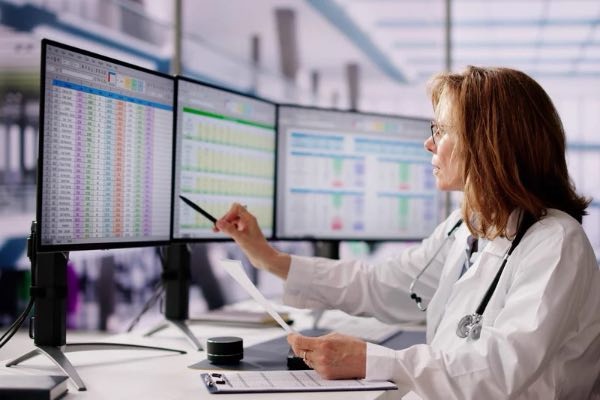
Across specialties, clinicians are finding that ambient AI tools don’t just speed up documentation, they restore time, energy, and the human connection that made medicine worth pursuing in the first place.
How AI Changes Your Morning Routine
Remember arriving an hour early to manually review charts? Yeah, those days are dying. Smart tools now prep comprehensive patient summaries before you’ve had your second coffee. This is the impact of AI on healthcare workflow everybody’s buzzing about.
Pre-Visit Prep That Actually Works
Modern AI scans previous visits, flags outstanding labs, spots preventive care gaps, all automatically. Medication reconciliation? Done in seconds. What ate up 5-8 minutes per patient now happens while you’re parking your car.
You walk into each exam room already knowing the patient’s story. No awkward scrolling. No “remind me why you’re here today.” Just immediate human connection.
Real-Time Documentation During Appointments
Real-time documentation has become the turning point for clinicians who are tired of toggling between the patient and the screen. AI now captures the appointment as it happens, every concern, symptom, and clinical detail. This shift restores true face-to-face interaction. Physicians stay present, patients feel fully heard, and the clinical narrative gets recorded more accurately than any manual note-taking ever could.
Ambient listening captures your natural patient conversation without forcing you to dictate or type mid-sentence. With an ai scribe for doctors, routine charting becomes a background task rather than a constant interruption, allowing providers to move through appointments with greater clarity and ease. Physicians report smoother visit flow, reduced cognitive load, and fewer after-hours charting sessions. This shift improves accuracy and restores the sense of control and balance many clinicians have lost to administrative overload.

Post-Visit Speed That Feels Like Magic
Get this: physicians using AI scribes spend 8.5% less time in the EHR overall. Sounds small, right? Multiply that across 30 patients daily. You’re getting hours back every single week. Used to spend 10-15 minutes documenting after each patient? Not anymore.
AI documentation for physicians offers one-click note finalization that feeds straight into your EHR. Patient instructions? Generated. After-visit summaries? Done. Prescription docs include drug interaction alerts right there. You’re catching errors before they become problems.
The Documentation Burden We Don’t Discuss Nearly Enough
You didn’t burn out because you stopped caring about patients. You’re drowning because the system demands you become a data-entry clerk who occasionally practices medicine. Average doctor? 3-4 hours daily wrestling with EHR tasks. Chart reviews before visits. Frantic typing during conversations. The nightmarish catch-up session after hours.
And then there’s the so-called ‘pajama time’: the 1–2 hours spent catching up on notes long after your family has called it a night. We’ve normalized it to the point of giving it a soft nickname, but the reality is anything but comforting.
Why Documentation Backlogs Are Putting Patient Care at Risk
Typing while patients talk? They notice. Eye contact disappears. Conversations feel transactional. You miss crucial details because you’re hunting for the right billing code instead of actually listening.
Delayed notes create dangerous gaps. Medication errors spike when documentation gets rushed. Care teams fumble handoffs when notes sit unfinished for days. Everyone suffers.
Different Specialties, Different Wins
Primary care volume is a different beast than surgical procedure notes. The benefits of AI in medical practice shift depending whether you’re churning through 30 family medicine visits or documenting complex cardiology procedures.
Primary Care’s Volume Problem
Family docs often see 25-30 patients daily. AI scribes manage chronic disease tracking, lab value trends, preventive care reminders-all without you clicking through seventeen screens.
Some practices report 20% capacity increases post-implementation. Not from longer hours. From eliminating the documentation bottleneck that artificially capped their patient load.
Complex Specialties Made Manageable
Cardiology needs detailed procedure notes. Orthopedics requires precise injury documentation. Mental health demands sensitive session notes with privacy protections. Oncology tracks treatment protocols across multiple cycles.
AI scribes adapt to these specialty quirks. They learn your terminology, your templates, your style. The more you use them, the better they mirror exactly how you want notes written.
Emergency Medicine’s Impossible Speed Requirements
ED physicians face documentation pressure unlike anywhere else. You need rapid, accurate notes during life-or-death situations. Trauma assessments while actively running codes. Handoff notes that can’t wait until the next shift.
AI handles this chaos remarkably well. Captures high-stakes encounters without adding steps. Critical documentation requirements get met without sacrificing detail.
The Unexpected Rise of a New Well-Being Era
Here’s what matters most: doctors are happier. Career satisfaction scores jump from 65% to 85% in practices using AI scribes. Turnover consideration drops 30-40% because physicians remember why they chose this profession.
Physical health improves-fewer musculoskeletal complaints from endless typing. Better sleep from finishing work at reasonable hours. Less decision fatigue because documentation drudgery stops draining your mental energy.
The moral injury from administrative burden starts healing. You maintain 90%+ eye contact during visits. Build deeper therapeutic relationships. Rediscover your sense of professional purpose.
Making Implementation Actually Work
Choose solutions based on EHR integration, specialty support, and accuracy rates. HIPAA compliance isn’t negotiable-demand Business Associate Agreements and end-to-end encryption.
Training takes 2-4 weeks typically. Start with enthusiastic early adopters. Their success stories convert skeptical colleagues. Prepare patient communication scripts explaining the AI scribe’s role.
Most practices break even within 3-4 months. ROI becomes undeniable when you factor reduced turnover costs, increased capacity, and improved physician retention.
Bottom Line on AI Scribes
The documentation crisis won’t fix itself, but the solution’s finally here. AI scribes aren’t replacing physicians-they’re freeing doctors to be physicians again. From morning prep through evening wrap-up, these tools transform daily workflows in measurable, meaningful ways.

Whether you’re solo or part of a massive health system, the question isn’t whether to adopt AI documentation anymore. It’s how fast you can start. Your patients deserve your full attention. You deserve to go home on time.
Quick Answers to Your Burning Questions
How accurate are AI scribes with rare conditions and weird medical terms?
Modern AI scribes hit 95-98% accuracy with medical terminology, including complex drug names and specialty language. They handle rare conditions well by learning from your corrections. Quality improves continuously as the system adapts to your documentation preferences.
How might patients respond to AI being used to record and document their appointment?
Patient acceptance is surprisingly high-most appreciated that technology lets you focus on them instead of a computer screen. Simple disclosure at visit start (“I’m using an AI assistant to document our conversation”) handles concerns. Many practices report patients specifically commenting on improved eye contact.
Can AI scribes work during internet outages?
Most need the internet for real-time processing, but many offer offline recording modes. Audio captures locally and syncs for transcription once connection restores. Always maintain backup documentation procedures for true emergencies, like you would with any tech-dependent workflow.