Two-wheelers have always been India’s most practical mobility solution. Affordable, efficient, and adaptable, they power daily commutes for millions.
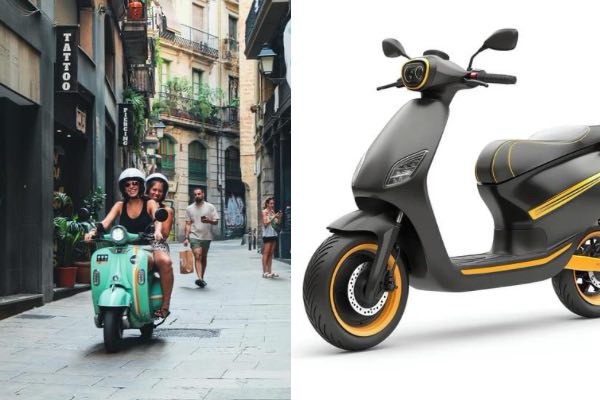
But by 2026, the choice is no longer just about mileage or brand loyalty. It’s about technology shifts, fuel economics, infrastructure, and lifestyle alignment.
So the real question becomes:
Should you stick with a traditional petrol two-wheeler, or is it time to switch to an electric scooter?
Let’s evaluate this without bias.
The Case for Petrol Two-Wheelers
1. Proven Reliability
Decades of refinement have made petrol two-wheelers dependable, especially in varied road and weather conditions.
2. Unlimited Refuelling Access
Fuel stations are everywhere. No planning, no waiting, no infrastructure dependency.
3. Better Long-Distance Comfort
For highway rides, rural travel, or unpredictable routes, petrol vehicles still offer confidence.
4. Higher Top Speeds & Load Handling
Traditional bikes handle heavier loads and longer rides more comfortably.
Where Petrol Two-Wheelers Are Losing Ground
1. Rising Fuel Costs
Fuel prices remain volatile, making monthly commuting costs unpredictable.
2. Higher Maintenance
Engine oils, clutches, filters, and regular servicing add up over time.
3. Emission Regulations
Stricter norms are increasing costs and complexity.
The Case for Electric Scooters
1. Extremely Low Running Costs
Electric scooters cost a fraction per kilometer compared to petrol vehicles—ideal for daily commuting.
2. Minimal Maintenance
No engine oil, fewer moving parts, and simpler servicing.
3. Quiet, Smooth Urban Riding
Instant torque and silent operation make city riding comfortable and stress-free.
4. Government Incentives & Urban Support
EV-friendly policies, charging incentives, and city-level encouragement continue to grow.
Where Electric Scooters Still Face Limitations
1. Charging Dependence
Home or workplace charging is almost essential for hassle-free ownership.
2. Range Anxiety
Despite improvements, range still dictates usage patterns.
3. Battery Replacement Costs
Long-term battery degradation remains a concern for resale and ownership confidence.
4. Performance Trade-offs
Electric scooters are improving rapidly, but petrol bikes still dominate performance-heavy segments.
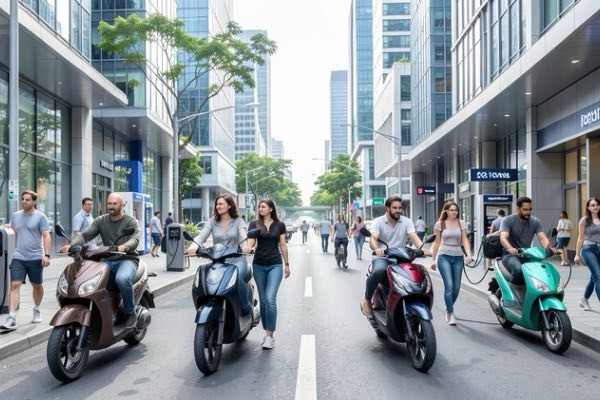
Who Should Choose a Petrol Two-Wheeler
Riders with long daily distances Frequent highway or rural users Single-vehicle households needing flexibility Performance-focused riders Buyers prioritizing resale predictability
Who Should Choose an Electric Scooter
Urban commuters with fixed daily routes Riders with home charging access Cost-conscious users Environment-aware buyers Households using two-wheelers primarily for city mobility
The iU Verdict
In 2026, electric scooters make clear sense for city-centric riders.
Petrol two-wheelers still make sense for range, versatility, and flexibility.
The future is electric—but the present is hybrid in choice.
The smartest riders aren’t choosing based on trends.
They’re choosing based on how they actually ride.