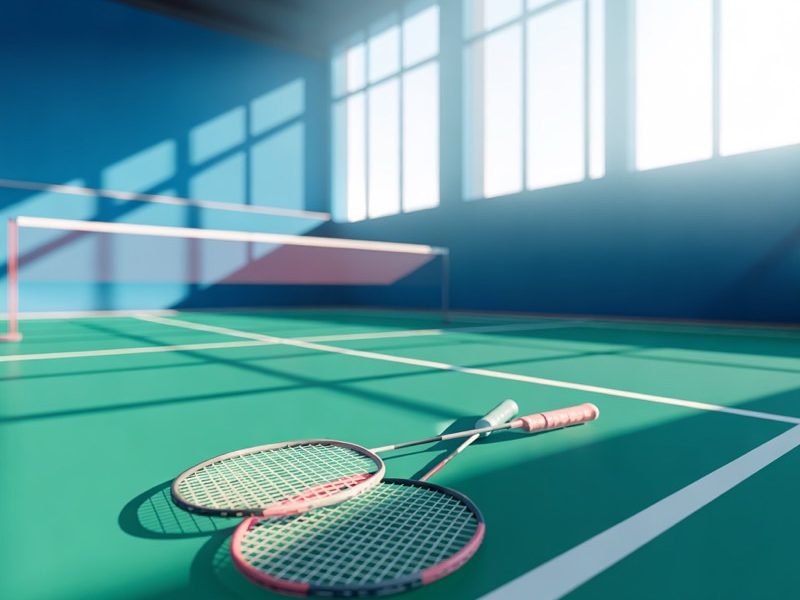

Every badminton journey begins with one simple moment.
Picking up a racquet for the first time.
And while beginners often focus on learning the game itself, one of the most overlooked factors in enjoying badminton — and improving at it — is choosing the right racquet from the beginning.
A good racquet does not magically make someone a great player.
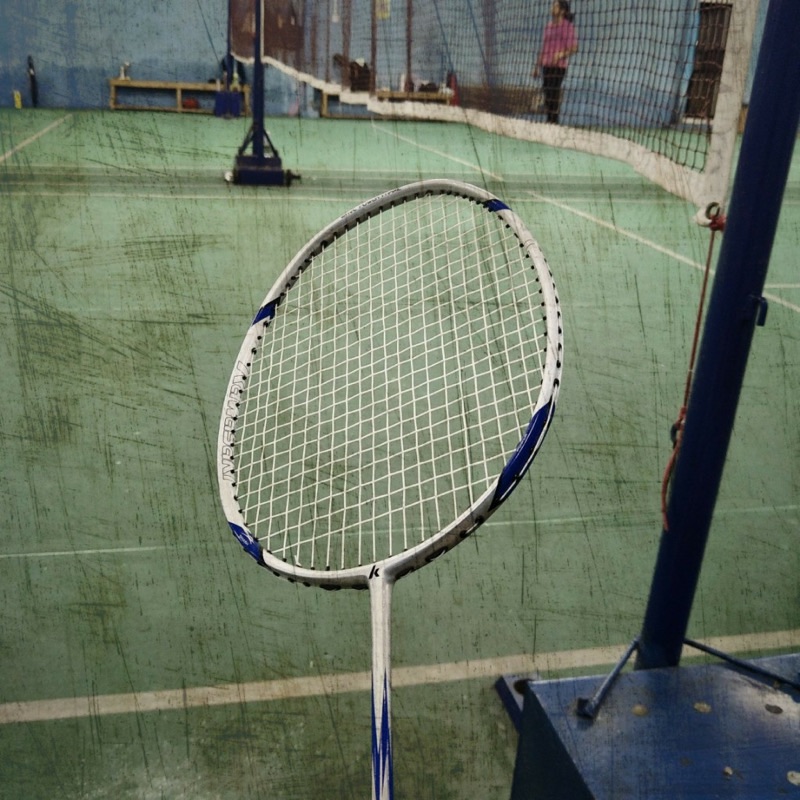
But the wrong racquet can absolutely make learning harder.
Too heavy, and your arm tires quickly.
Too stiff, and shots feel uncomfortable.
Too advanced, and the game becomes frustrating instead of enjoyable.
For beginners, the goal is not to buy the most expensive racquet.
It is to buy the most suitable one.
Understand This First: Expensive Does Not Mean Better for Beginners
One of the most common mistakes new players make is purchasing professional-level racquets too early.
Advanced racquets are designed for players with refined timing, stronger wrists, and developed technique. They often demand greater control and faster reactions.
Beginners need the opposite.
They need forgiveness.
A beginner-friendly racquet should help generate power easily, feel comfortable during longer sessions, and reduce strain on the wrist and shoulder.
The right beginner racquet supports learning.
It does not punish mistakes.
Weight Matters More Than Most People Realize
Badminton racquets generally range from lightweight to heavier builds.
For beginners, lighter racquets are usually the better choice because they are easier to maneuver and less tiring during practice.
Most beginner-friendly racquets fall within:
- 4U category (around 80–84 grams)
- 5U category (around 75–79 grams)
A lighter racquet helps with:
- Faster reactions
- Better control
- Reduced arm fatigue
- Easier handling during defense
Heavier racquets can generate stronger smashes, but they also demand more strength and technique.
In the beginning, comfort matters more than raw power.
Balance Type Changes How the Racquet Feels
Badminton racquets generally come in three balance types:
- Head-heavy
- Head-light
- Even balance
For beginners, even-balanced racquets are often the safest and most versatile option. They provide a balanced mix of attack and defense without demanding specialized playing styles.
Head-heavy racquets generate stronger smashes but can feel slower during quick rallies.
Head-light racquets improve speed and defense but may feel less powerful.
If you are still discovering your style of play, an even-balanced racquet gives flexibility.
Shaft Flexibility Makes a Big Difference
The shaft of the racquet can be flexible, medium, or stiff.
Beginners should generally choose flexible or medium-flex shafts.
Why?
Because flexible shafts help generate power more easily even with slower swing speeds. They are more forgiving and comfortable while technique is still developing.
Stiff racquets are better suited for experienced players with faster swings and stronger wrist action.
For a beginner, stiffness often feels difficult rather than effective.
Grip Size Should Feel Natural
Grip size affects comfort and control.
A grip that is too large restricts wrist movement. One that is too small may feel unstable.
Most beginners do well with standard grip sizes, but comfort is the real indicator.
You should be able to hold the racquet firmly without squeezing excessively.
A relaxed grip improves control and reduces fatigue.
And remember — grips can always be adjusted later with overgrips.
String Tension: Don’t Go Too High Too Early
Higher string tension is often misunderstood as “better.”
Professional players use high tensions because they can consistently hit the sweet spot.
Beginners usually cannot — yet.
Lower to medium string tension provides:
- Larger sweet spot
- Easier power generation
- Better forgiveness on off-center hits
A tension range around 20–24 lbs is generally beginner-friendly.
Going too high too early often reduces comfort and consistency.
Choose Based on Playing Frequency
How often you play matters.
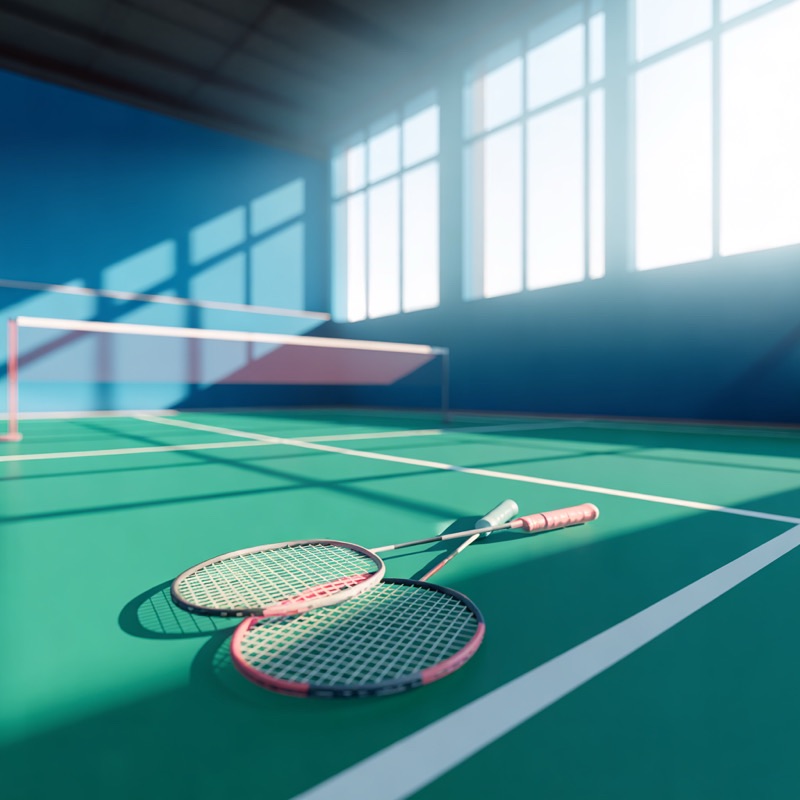
If you are playing casually once a week, an affordable beginner racquet is more than enough. If you plan to train regularly and improve seriously, investing slightly more into a durable, well-balanced racquet makes sense.
The goal is not to overspend.
It is to avoid buying something that limits progress too quickly.
The Importance of Comfort Over Branding
Many beginners choose racquets based only on brand popularity.
Brands matter, but comfort matters more.
A moderately priced racquet that feels natural in your hand will improve your experience far more than a premium racquet that feels difficult to control.
The best racquet for a beginner is not the one professionals use.
It is the one that makes you want to keep playing.
What Beginners Actually Need
At the beginner stage, focus on:
- Lightweight feel
- Medium or flexible shaft
- Even balance
- Comfortable grip
- Moderate string tension
These characteristics make learning smoother and reduce unnecessary strain.
As skills improve, preferences become clearer naturally.
Badminton Is Meant to Feel Enjoyable
The early phase of badminton should feel exciting, not technical.
You are building rhythm, movement, timing, and confidence.
The right racquet supports this journey quietly in the background. It allows you to focus on enjoying rallies, improving footwork, and discovering the joy of the sport itself.
Because ultimately, the best beginner racquet is not the one with the most features.
It is the one that helps you fall in love with the game.
Finally What we at iU Think..
A badminton racquet is not just equipment.
It becomes an extension of your movement.
Choosing the right one at the beginning can make learning smoother, playing more enjoyable, and progress more natural.
Do not chase professional setups too early.
Start with comfort.
Start with balance.
Start with simplicity.
The advanced choices can come later.
Right now, the goal is simple:
Pick a racquet that keeps you coming back to the court.