
At certain moments in history, leaders do not merely announce policies.
They appeal to collective behavior.
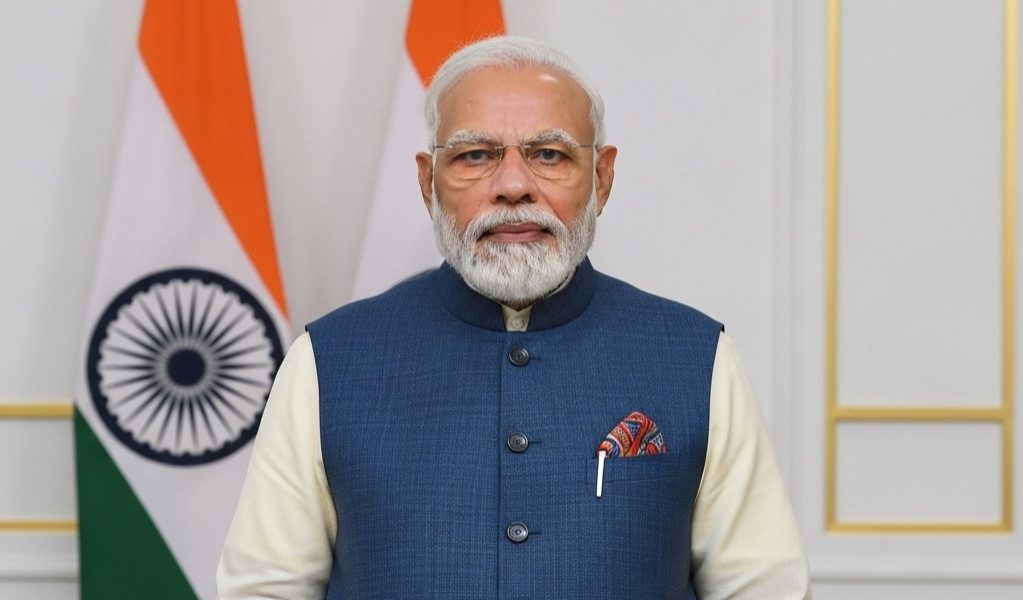
Recently, Prime Minister Narendra Modi laid out a powerful public appeal for Indian citizens amid rising global uncertainty, geopolitical tensions, fuel volatility, and economic pressures emerging from international conflicts and supply chain disruptions. His message was not framed as panic.
It was framed as participation.
A reminder that the strength of a nation does not depend only on governments and institutions — but also on the everyday choices of its people.
The speech quickly became one of the most discussed public addresses in recent weeks because it blended economics, sustainability, self-reliance, and civic responsibility into a simple yet impactful 7-point agenda.
1. Prioritize Work From Home Wherever Possible
One of the most talked-about suggestions was the revival of work-from-home practices wherever feasible.
The reasoning was straightforward:
Reduced commuting means lower fuel consumption.
In a country heavily dependent on imported crude oil, even small reductions in fuel usage at scale can significantly reduce economic pressure. Millions of daily office commutes collectively consume enormous amounts of petrol and diesel.
The message reflected a broader reality of modern India:
Digital infrastructure now allows flexibility that did not exist a decade ago.
2. Reduce Petrol and Diesel Consumption
PM Modi also urged citizens to consciously reduce unnecessary fuel usage by:
- Using public transport
- Choosing metro systems
- Carpooling
- Shifting toward electric mobility where possible
This was not only positioned as an economic measure, but also as a sustainability-oriented lifestyle shift.
India imports a substantial portion of its energy requirements, and global crude price shocks directly impact inflation, logistics, and household economics. Even temporary global disruptions can affect transportation costs across sectors.
3. Avoid Non-Essential Gold Purchases for One Year
This became one of the most surprising appeals in the speech.
India is among the world’s largest gold-consuming nations, with billions of dollars spent annually on imports. PM Modi suggested avoiding non-essential gold purchases temporarily to help conserve foreign exchange reserves during uncertain global conditions.
The message highlighted something larger:
Individual consumer behavior can influence national economic resilience.
For many, this transformed gold from merely a personal asset discussion into a macroeconomic conversation.
4. Reduce Excessive Cooking Oil Consumption
The Prime Minister also emphasized reducing edible oil consumption.
India imports large quantities of edible oils annually, making this another area where lifestyle patterns directly influence national import bills. Beyond economics, the suggestion also aligned with public health conversations around balanced consumption and preventive wellness.
The appeal subtly connected personal health with national sustainability.
5. Avoid Non-Essential Foreign Travel
PM Modi encouraged citizens to reduce unnecessary foreign travel temporarily and instead prioritize domestic tourism.
This suggestion was linked to conserving foreign exchange reserves while simultaneously strengthening India’s domestic economy and tourism ecosystem.
The message also reflected a growing policy direction visible in recent years:
Strengthening internal economic circulation.
Spend within India.
Travel within India.
Support Indian industries and local ecosystems.
6. Move Toward Natural Farming and Reduce Chemical Fertilizers
Agriculture also formed a major part of the agenda.
The Prime Minister urged movement toward natural farming methods and reduced dependency on chemical fertilizers. This aligns with broader conversations around:
- Soil health
- Sustainability
- Long-term agricultural resilience
- Reduced import dependency
India’s agricultural system supports hundreds of millions of people directly and indirectly. Even gradual improvements in farming sustainability can create enormous long-term economic and environmental impact.
7. Prefer Swadeshi and Reduce Dependence on Foreign Products
Perhaps the most emotionally resonant part of the agenda was the appeal to support Indian-made products.
The idea of “Swadeshi” — prioritizing domestic goods and industries — carries deep historical and economic significance in India. PM Modi urged citizens to consciously reduce unnecessary dependence on foreign products wherever Indian alternatives exist.
This connects strongly with larger national initiatives like:
- Aatmanirbhar Bharat
- Make in India
- Manufacturing growth
- Domestic innovation ecosystems
The message was not framed against globalization itself, but around strategic self-reliance.
Why This Speech Resonated So Strongly
What made this address stand out was its tone.
It was not a policy-heavy economic lecture.
It was a behavioral appeal.
The speech emphasized that national resilience is not built only through government intervention. It is strengthened when millions of citizens make small, coordinated choices.
And in a country of more than 1.4 billion people, even minor shifts at individual level create massive national impact.
The Larger Message Beneath the 7 Points
Beyond economics, the speech reflected three larger themes shaping modern India:
- Self-reliance
- Sustainability
- Collective participation
The idea that citizens are active participants in nation-building — not just observers — has increasingly become central to India’s public discourse in recent years.
Whether one agrees fully with every suggestion or not, the speech succeeded in starting conversations around:
- Consumption habits
- Energy usage
- Economic responsibility
- Long-term sustainability
And that itself is significant.
A Final Thought
History often remembers nations not just for how governments acted during difficult times…
…but for how societies responded collectively.
PM Modi’s 7-point agenda was ultimately an appeal for awareness:
Awareness of consumption.
Awareness of dependency.
Awareness of responsibility.
Because in interconnected times, national resilience is no longer built only in parliament halls or policy rooms.
It is also built quietly through millions of everyday decisions made by ordinary people.