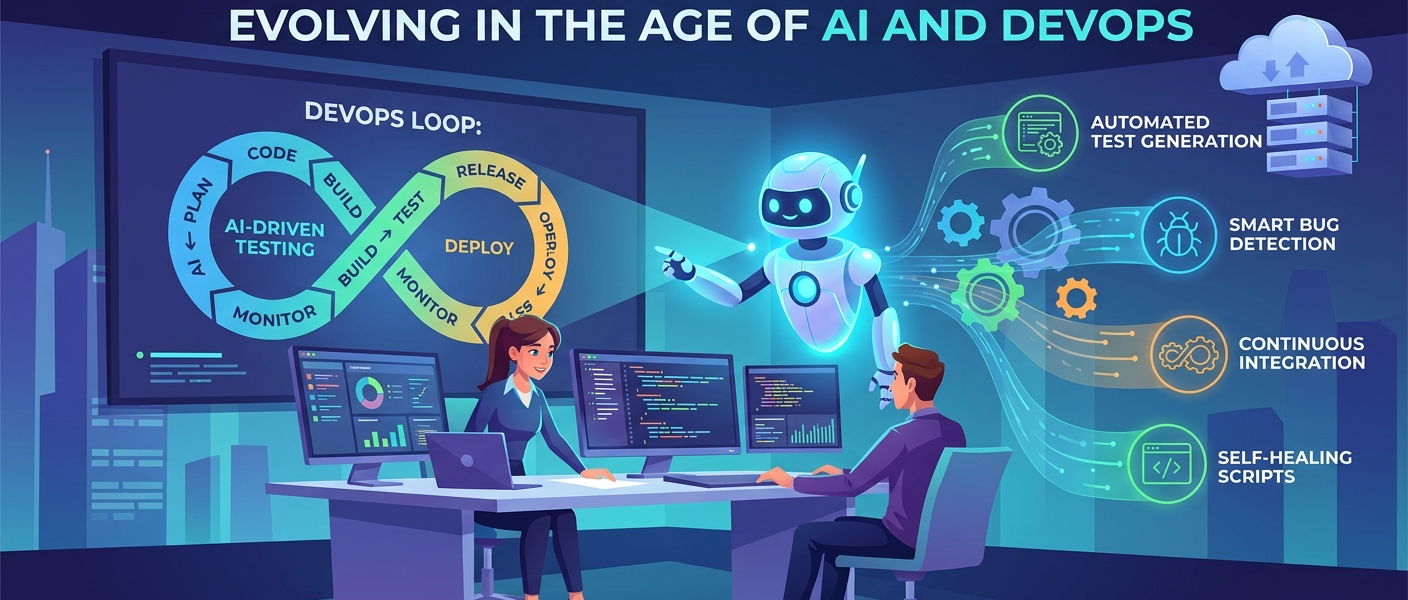

Software teams used to spend entire development cycles writing test scripts, only to watch them break the moment a developer changed a button label. That cycle, write, break, fix, repeat, was exhausting. And it slowed releases more than most teams wanted to admit.
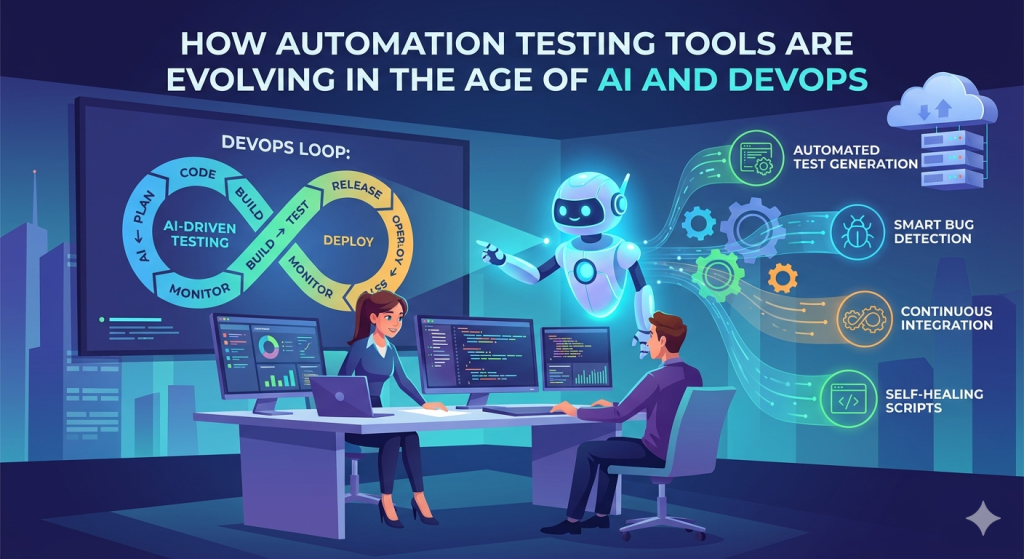
The real question: how do you ship confidently at speed without living in a permanent state of test maintenance? That’s what’s driving change in automation testing right now.
What’s Driving the Shift in Automation Testing
The automation testing space has split. On one side sit legacy script-heavy platforms. On the other hand, newer AI-native approaches that self-heal and adapt. Knowing where your current toolchain falls on that spectrum is the first step toward making a smarter investment decision. Without that clarity, teams end up patching maintenance problems with new tool purchases instead of actually moving forward.
For instance, Functionize’s guide to automation testing tools maps out exactly how that division has reshaped the category. It goes beyond surface-level comparisons, showing how each tool category performs under real pipeline pressure rather than ideal conditions.
Similarly, ThoughtWorks’ Technology Radar has been tracking this shift for several cycles now, consistently moving AI-assisted testing tools into the “adopt” tier while flagging legacy script-heavy frameworks as things teams should actively reconsider. For any team choosing where to invest, that split is the central question.
Legacy Script Frameworks Can’t Keep Up
Traditional frameworks like Selenium require engineers to write and maintain every selector manually. Capgemini’s 2024 Quality Report found that test maintenance alone consumes up to 30% of QA engineering time. As apps grow? That number doesn’t shrink; it compounds.
AI Models Now Read Your App Like a Human Would
Modern AI-native platforms map an application’s structure the way a tester would, by understanding context, not just XPath. Functionize, built on 8 years of enterprise training data and 30,000+ data points per page, achieves 99.97% element recognition accuracy. That’s what powers the 80% reduction in flaky tests and maintenance time that enterprise clients like McAfee report.
Self-healing tests work differently. The tool detects when a locator breaks and updates it automatically; no ticket, no engineer context-switching mid-cycle. GE Healthcare reduced 40 hours of testing to just 4 hours using this kind of AI-native approach. That’s not marginal. It’s structural.
How AI and DevOps Are Reshaping Test Strategy
But the shift shows up at the strategy level too, not just the tooling level. Teams aren’t swapping one tool for another; they’re rethinking where testing lives in the delivery pipeline.
Shift-Left Testing Gets Teeth
Shift-left used to mean “test earlier.” Without fast, low-maintenance tests, it just meant breaking things sooner. AI-assisted test generation lets developers create end-to-end tests at the same pace they write features. The shift-left principle finally works.
Continuous Testing in CI/CD Pipelines
DevOps pipelines expect tests on every commit. And that’s not realistic with 2,000 hand-scripted Selenium tests taking 6 hours to complete. AI platforms prioritize tests based on code change impact, so you get a signal in minutes rather than hours.
Codeless Testing Expands Who Can Test
Codeless or low-code test creation isn’t just for non-developers; it lets QA analysts write tests without waiting on engineers. That removes a critical bottleneck. A 2025 Forrester survey found codeless adoption up 41% year-over-year among mid-market DevOps teams. Teams adopting it report faster test coverage growth, too.
What Teams Should Expect From Modern Testing Tools
Picking the right test platform in 2026 means asking different questions than teams asked five years ago. The criteria have shifted.
Accuracy and Stability Over Raw Feature Count
A tool with 99% element recognition sounds close to 99.97% recognition. At scale, that 0.97% gap is thousands of failed test runs per year. Stability and accuracy map directly to engineering hours saved.
Native CI/CD and Pipeline Compatibility
Your test platform needs to sit inside your pipeline without friction. Native connections with GitHub Actions, Jenkins, and similar orchestration tools matter here. Tests that can’t run automatically on commit aren’t really part of your DevOps process; they’re a manual step pretending to be automation.
Speed of Test Creation, Not Just Execution
The bottleneck for most teams isn’t execution speed; it’s how long creating tests takes. Platforms that let teams build end-to-end tests up to 90% faster than traditional scripting change test coverage economics. More coverage means fewer production surprises. That’s the whole point.
Conclusion
Automation testing tools have moved past incremental upgrades. AI-native platforms that self-heal, generate tests without code, and fit naturally inside CI/CD pipelines represent a genuine break from the script-and-maintain model; that’s what defined the previous decade. Teams relying on fragile, hand-written scripts will keep paying the maintenance tax. The teams pulling ahead treat testing as a fast, automated signal in their pipeline. Not a separate phase that slows everything down.