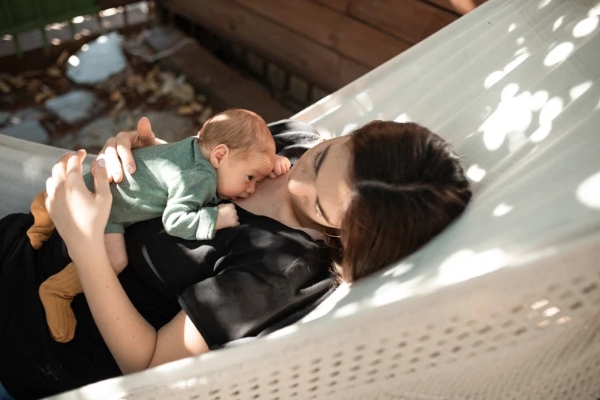

Parenthood often feels like trying to balance on a high wire during a hurricane. You’re constantly feeding, changing, and soothing, all while household chores pile up.
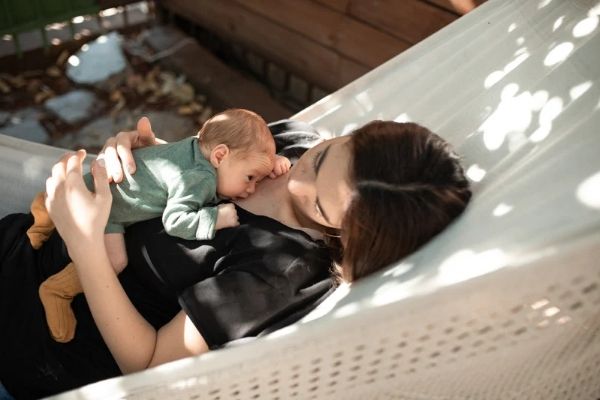
Finding a moment of peace can seem impossible. But what if you didn’t try to get rid of the chaos, and instead found your calm within it?
That’s what mindful parenthood is all about: being truly present with your children and yourself, on purpose and without judgment. It means replacing constant multitasking with meaningful moments of connection, turning everyday routines into chances to grow and find calm.
This isn’t about adding another thing to your already packed schedule. It’s more about changing how you see things, which can help you handle the beautiful, messy reality of raising a family with more grace and joy.
Finding Calm in Chaos
The idea of “calm” in a house with young kids might sound impossible. Toys are everywhere, schedules are all over the place, and quiet is rare. Mindful parenting isn’t about fighting this reality; it’s about changing how you deal with it. It’s about finding inner peace even when everything around you is chaotic. When your toddler throws their third tantrum before breakfast, and you feel your frustration building, finding calm means you deliberately pause before reacting.
One of the best ways to start is by focusing on your breath. It’s a simple tool you can use anywhere, anytime. When you feel overwhelmed, try this:
• Pause: Stop what you’re doing for just a moment.
• Breathe: Take one slow, deep breath in and out.
• Notice: Acknowledge how you feel—frustration, exhaustion, anger—without judging it.
• Respond: Choose your next action carefully, instead of just reacting without thinking.
This small practice can break the stress cycle and give you space to respond more thoughtfully. Many parents also find guided meditations really helpful for calming their nervous system. A short parenting meditation can be a lifesaver on a particularly tough day. The goal isn’t to have a completely clear mind, but just to come back to the present moment. By learning how to cultivate calm internally, you teach your children a valuable skill and create a more emotionally stable environment for everyone in the family.
Designing Peaceful Spaces for Growth
A child’s surroundings really affect how they grow and how they feel. A messy, overly stimulating space can make both kids and adults anxious and restless. On the flip side, a well-organized, calm environment can help with focus, creativity, and peace. You don’t need to completely redecorate your home or go minimalist to create peaceful spaces. It’s about setting up specific areas that encourage rest and connection.

Start by picking one small spot you can turn into a “calm-down corner.” This could be a cozy nook with some soft pillows, a bin of sensory toys, or a small tent. It gives your child a safe place to go when they feel overwhelmed, helping them learn to manage big emotions. Decluttering is another powerful strategy. Instead of trying to clean the whole house, try rotating toys, keeping only a few items out at a time. This encourages deeper play and reduces visual clutter.
It’s especially important to create a soothing atmosphere for your baby. Soft lighting, gentle sounds, and comfortable textures can help their developing nervous system. Sometimes, a dedicated soothing spot can work wonders. A comfy chair paired with gentle soothing tools, such as Newton’s baby rocker, can provide rhythmic motion that helps calm a fussy baby while giving parents a brief opportunity to reset. The aim is to make your home a haven where everyone feels safe, supported, and able to recharge.
The Science of Secure Attachment
At its heart, mindful parenting is about connecting with your child. When you are present and tuned in to them, you’re building a strong foundation for a secure attachment. This is the deep, trusting bond that forms when a child feels seen, safe, and understood by their caregiver. A child with a secure attachment learns they can count on you for comfort and support, which gives them the confidence to explore the world.
Mindfulness is what makes this deep connection possible. When you put your phone down during feeding time and make eye contact, you’re sending a powerful message: “You are important. I am here with you.” This is attunement, meaning you respond to your child’s verbal and non-verbal cues. It’s about knowing the difference between a cry of tiredness and a cry of hunger, or noticing a subtle shift in your toddler’s mood before a meltdown starts. These moments of shared attention are what neuroscientists call “serve and return” interactions, and they are crucial for brain development.
Using mindful parenting strategies helps you show up for these small but important moments. It means really listening when your child tells you about their day, offering a hug instead of brushing them off when they’re upset, and acknowledging their feelings even if you don’t fully understand them. This consistent, attentive presence tells your child, on a deep level, that they matter.
Nurturing Your Own Well-being
You can’t be a calm, present parent if your own needs are always last. The old airplane analogy is true: you have to put on your own oxygen mask before helping others. Taking care of yourself isn’t selfish; it’s a key part of mindful parenting. When you’re rested, centered, and emotionally stable, you have so much more patience and love to give.
Parental burnout is real, and it comes from the unrealistic idea that we have to be “on” 24/7. The solution is to intentionally build moments of rest and replenishment into your life, no matter how small.
This might look like:
• Micro-Resets: Take five minutes to sit with a cup of tea and look out the window.
• Mindful Movement: Do a few simple stretches while the baby naps.
• Sensory Soothing: Listen to a favorite song with headphones on.
• Setting Boundaries: Saying “no” to extra commitments that will drain your energy.
Learning to find peace in a frantic world is an ongoing practice, not something you achieve once and for all. It requires self-compassion, especially on days when you feel like you haven’t done enough. Remember, your children don’t need a perfect parent. They need a present, loving parent who is also human, someone who gets tired and frustrated but keeps trying to show up with kindness for them and for themselves.
Mindful parenthood isn’t about always being perfectly calm. It’s about embracing the imperfect, beautiful reality of family life with open eyes and an open heart. It’s about finding the magic in everyday moments and building a foundation of connection that will last a lifetime.