When planning a wedding, family function, corporate event or large celebration, food is one of the most important parts of the experience. Guests may remember the taste and presentation, but behind every successful meal is something even more fundamental: hygiene and food safety.
A catering service may offer an impressive menu and attractive pricing, but if food is not prepared, transported and served hygienically, it can affect the health and experience of everyone attending the event.
This is why hygiene should be one of the first factors you evaluate when choosing a caterer.
Why Catering Hygiene Matters
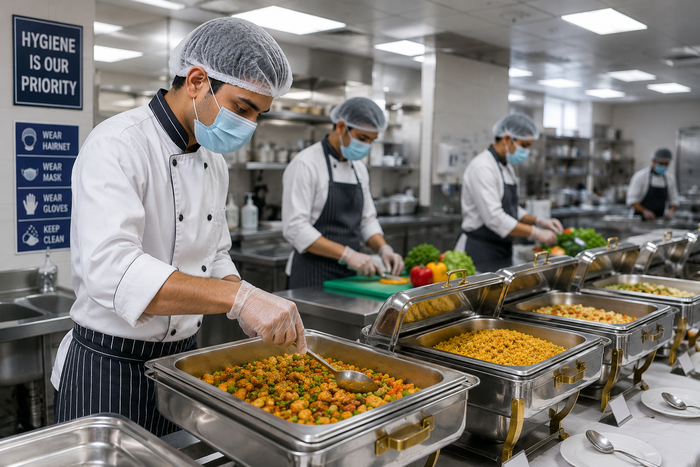
Preparing food for a large group is very different from cooking a meal at home. Caterers may need to handle hundreds of portions, multiple ingredients, different cooking processes and transportation to an event venue. Every stage—from sourcing ingredients to preparation, cooking, storage, transportation and serving—can influence food safety.
Good catering hygiene helps reduce the risk of contamination and ensures that food reaches guests in an appropriate condition.
For hosts, this means hygiene should be considered alongside taste, menu variety and pricing rather than treated as a secondary concern.
Start With the Kitchen and Preparation Practices
One of the most useful questions to ask a caterer is how and where the food is prepared.
A professional catering operation should have appropriate systems for handling ingredients, maintaining clean preparation areas and separating different stages of food preparation.
When discussing your event with a caterer, ask about their kitchen practices, ingredient handling and how they maintain cleanliness while preparing large quantities of food.
This becomes particularly important for weddings and large functions where multiple dishes may be prepared simultaneously.
Ingredient Quality and Freshness Matter
Food hygiene begins with the ingredients. Fresh vegetables, dairy products, grains, spices and other ingredients should be stored appropriately and handled carefully. Ingredients that require refrigeration should remain at suitable temperatures, while dry ingredients should be protected from moisture and contamination.
For an event host, it can be useful to ask the catering team how they source and store ingredients and when food is typically prepared.
Swaad Caterers can help families plan their vegetarian menus while taking preparation and food-handling requirements into account, allowing hosts to discuss their expectations with the catering team before the event.
Cooking Large Quantities Requires Planning
Cooking for hundreds of guests requires careful coordination. Food must be prepared in appropriate quantities and cooked properly while maintaining consistency. Timing also matters because dishes should ideally reach guests fresh and at suitable serving temperatures.
An experienced caterer understands that large-scale cooking is not simply about multiplying a home recipe. It requires planning, trained staff and an organized kitchen workflow.
This is one reason catering experience should be considered alongside menu quality when selecting a service.
Transportation Is an Important Part of Food Safety
If food is prepared away from the event venue, transportation becomes another important consideration. Food should be transported in a manner that helps maintain appropriate temperatures and prevents contamination. Containers and equipment used for transportation should also be clean and suitable for food.
When booking catering, ask whether food will be prepared at the venue or transported from another kitchen and how the catering team manages the process.
Swaad Caterers can help coordinate catering arrangements around the venue and event requirements, allowing families to discuss how food preparation, transportation and serving will be managed.
Serving Hygiene Matters Too
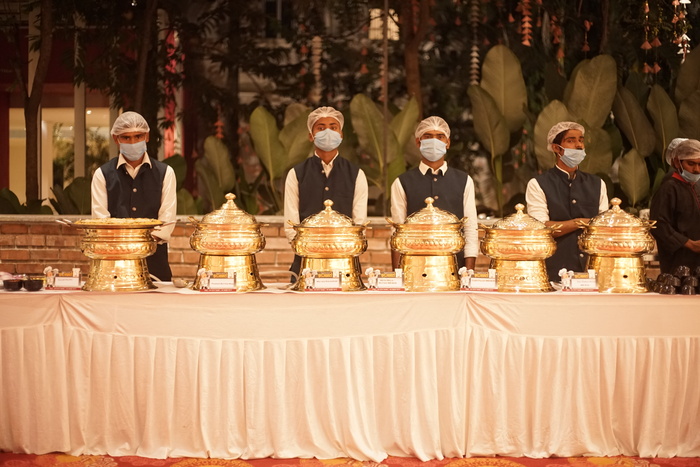
Even food that has been prepared properly can be compromised during service. Serving staff should maintain good personal hygiene and use appropriate serving practices. Buffet counters should also be kept organized, and food should be replenished in a way that minimizes unnecessary exposure.
For large events, having sufficient serving staff is important because overcrowded counters and poorly managed service can affect both hygiene and the overall guest experience.
Be Careful With Buffets and Outdoor Events
Outdoor weddings, receptions and large gatherings can create additional challenges. Food may be exposed to heat, dust or other environmental factors if buffet arrangements are not planned properly.
If your event is outdoors, discuss the placement of food counters, shade, serving arrangements and food replenishment with your caterer beforehand.
Good planning can help maintain both food quality and hygiene throughout the event.
Ask the Right Questions Before Booking
Before choosing a caterer, consider asking:
- Where is the food prepared?
- How are ingredients stored?
- How is food transported?
- How are serving staff trained?
- How are buffet counters maintained?
- How are special dietary requirements handled?
- What measures are taken to maintain cleanliness during large events?
The answers can help you understand how seriously a catering company approaches hygiene.
Hygiene Should Be Part of Your Caterer Selection Checklist
When comparing caterers, it is easy to focus on menu variety, price, presentation and reviews. These factors matter, but hygiene should be treated as equally important.
Swaad Caterers can help families plan pure vegetarian catering around their event requirements while discussing menu preparation, serving arrangements and other practical considerations in advance. This allows hosts to address their expectations before the event rather than trying to solve catering issues at the last minute.
Good Food Begins With Good Hygiene
A successful catering experience is not simply about how the food tastes. It is about the complete journey—from selecting ingredients and preparing the food to transporting it, serving it and maintaining appropriate conditions throughout the event.
When choosing a caterer, make hygiene one of your first questions rather than an afterthought.
Great catering combines taste, presentation, service and food safety. And when hundreds of guests are sitting down to eat, hygiene is what helps ensure that the experience remains memorable for all the right reasons.