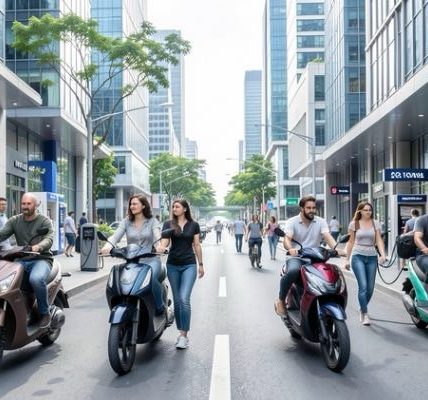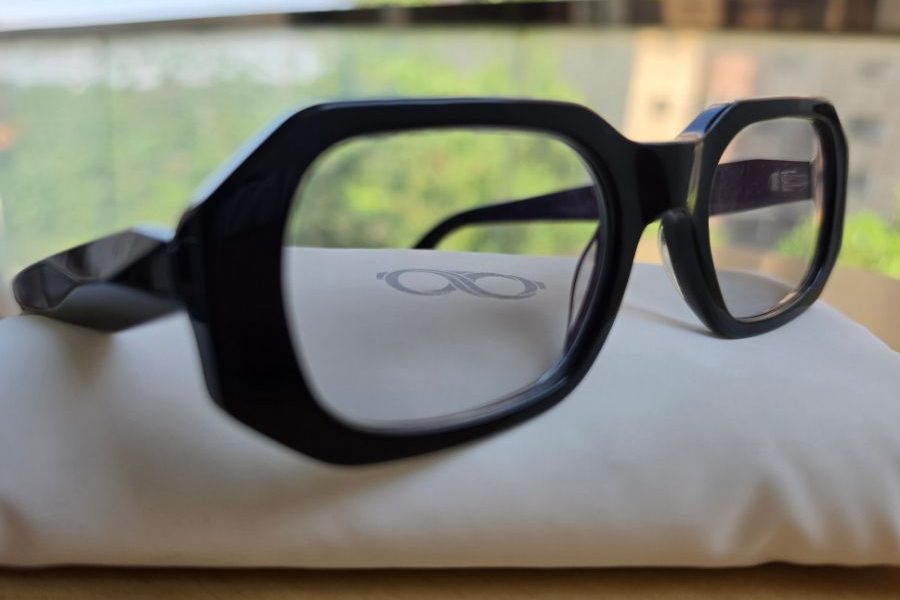

Eyewear in India is undergoing a lifestyle transformation. Once purchased mainly when a prescription changed or an old pair broke, spectacles are increasingly becoming a way to express personality, complement an outfit and adapt to different occasions.
Lenskart is among the companies helping shape this shift by combining fashion-led designs, technology and an extensive retail presence.
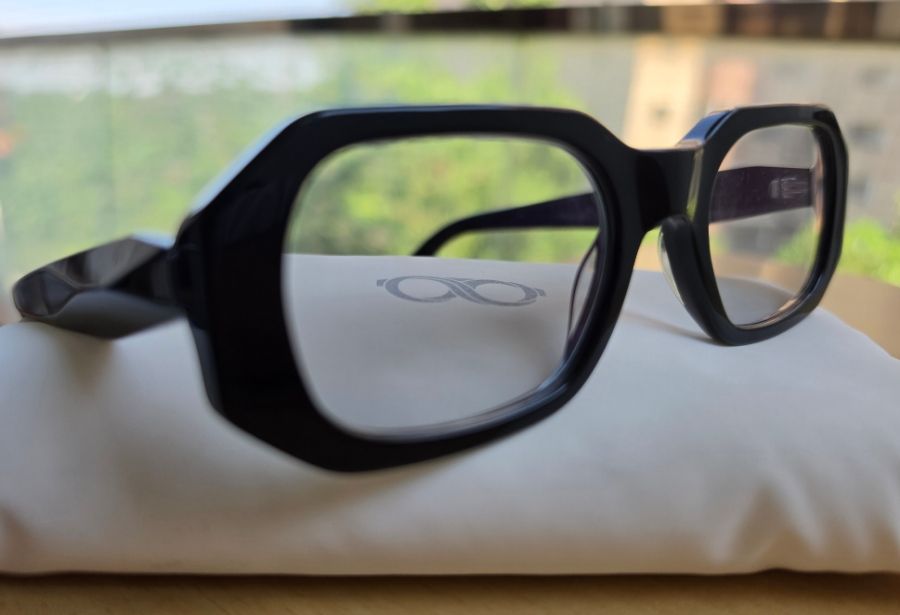
The change resembles the evolution of athleisure. Sportswear was once associated largely with exercise; today, people wear it for travel, casual outings and everyday comfort.
Similarly, eyewear is moving beyond a purely functional product to become an accessory people can choose according to their style, needs and routines.
From One Essential Pair to Multiple Styles
Traditionally, many consumers treated prescription glasses as a long-term necessity. A single pair was expected to serve almost every purpose, from work and study to social occasions.
That mindset is gradually changing. Consumers may want understated frames for professional settings, bold designs for weekends, sunglasses for outdoor activities and lightweight options for everyday comfort.
Different pairs can serve different needs, just as people own multiple shoes or clothing styles.
An industry report published with Lenskart’s prospectus estimated that Indian consumers purchased approximately 1.8 pairs of prescription eyeglasses per person over two years in FY2025.
The same report noted that eyewear purchase frequency remained below that of footwear and fashion apparel, indicating potential for the category to develop further as a lifestyle market.
The opportunity is not simply to sell more glasses. It is to make eyewear more relevant to the many different ways people live.
How Lenskart Is Changing the Buying Experience
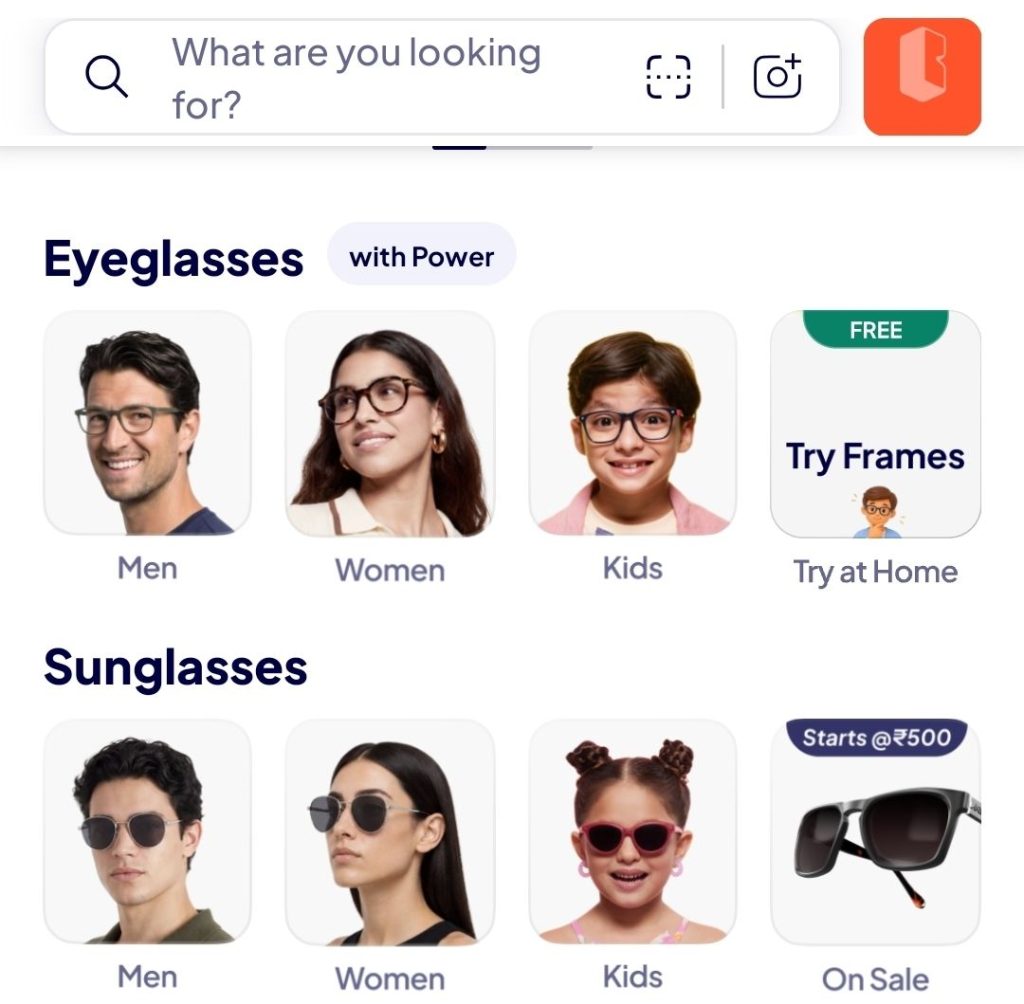
Lenskart’s model combines online discovery with physical retail. Customers can browse frames digitally, explore different styles and visit stores for fitting, eye tests and assistance. Its technology also includes virtual try-on tools that allow shoppers to preview how frames may look on their faces.
This combination matters because eyewear is more personal than many other fashion accessories. Fit, comfort, lens requirements and appearance all influence the final decision. A digital catalogue offers convenience, while a physical store provides reassurance when customers want to try frames before buying.
Lenskart’s approach demonstrates that online and offline retail do not have to compete. They can work together, allowing customers to discover products through one channel and complete their purchase through another.
Technology Makes Personalisation Easier
Technology is helping reduce the uncertainty involved in choosing eyewear. Virtual try-ons, digital browsing and integrated store inventories give consumers more ways to explore their options before making a decision.
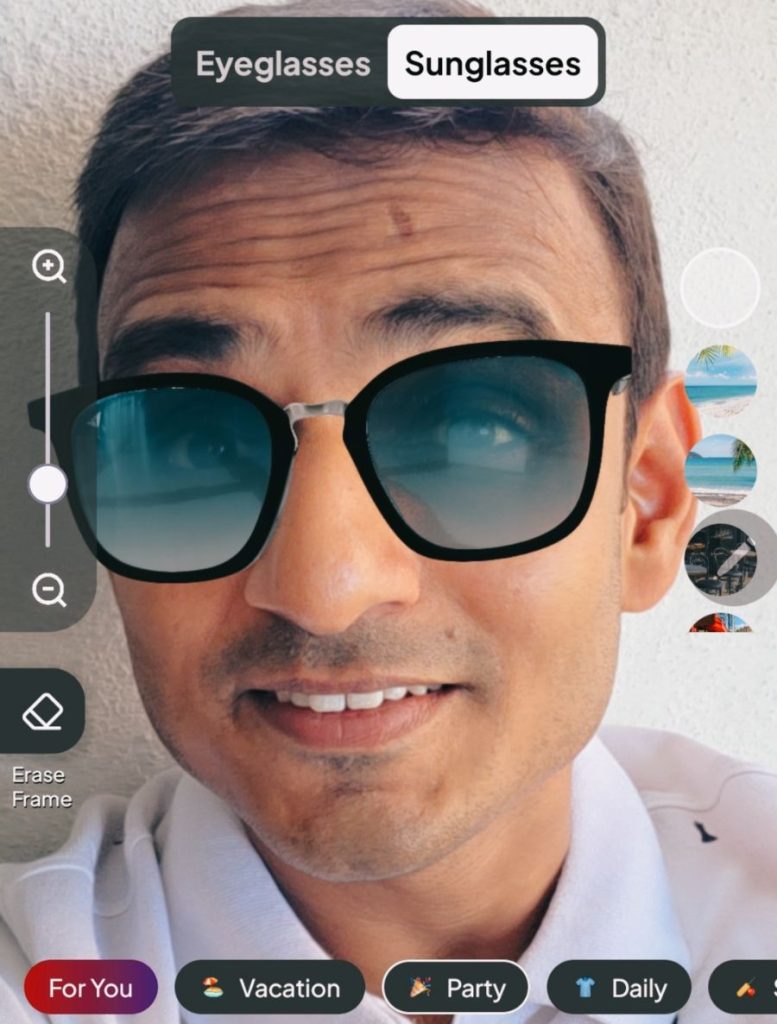
Personalisation is equally important. Face shapes, clothing preferences, daily routines and individual comfort requirements vary widely. A wider assortment allows consumers to find frames that suit their identity rather than settle for a limited set of functional choices.
For retailers, technology can also support inventory planning, customer service and a more connected shopping journey. For consumers, the benefit is a simpler process of discovering, comparing and selecting eyewear.
Affordability and Variety Expand the Market
A lifestyle category grows when consumers can find options that match different budgets and preferences. Lenskart’s range spans everyday prescription glasses, sunglasses, contact lenses and fashion-oriented designs, serving varied consumer needs.
Accessible pricing and a broad assortment can make it easier for buyers to consider a second pair for a specific purpose rather than treating every purchase as a major expense. However, affordability must be balanced with lens quality, accurate prescriptions, fit and after-sales service.
This is an important distinction between eyewear and ordinary fashion accessories. Style may encourage the purchase, but visual comfort and eye health remain essential.
What the Athleisure Comparison Reveals
The athleisure comparison offers a useful lesson in consumer behaviour. Categories can expand when people stop viewing products only through their original purpose and begin seeing how they fit into everyday life.
Eyewear can become part of a personal wardrobe, with different frames for work, travel, celebrations and leisure. This creates opportunities for brands to build stronger relationships with customers through new designs, collaborations, convenient services and repeat purchases.
The shift does not mean every consumer will buy multiple pairs or that prescription needs have become secondary. Rather, it shows how functionality and self-expression can coexist in the same product.
The Future of Eyewear in India
Lenskart’s contribution to the eyewear market reflects a broader retail trend: consumers increasingly expect convenience, choice, personalisation and consistent experiences across digital and physical channels.
As eyewear becomes more visible as a fashion choice, brands will need to balance design innovation with reliable eye-care services, quality and affordability. The strongest long-term opportunity lies in making better eyewear easier to access while helping consumers find products that suit their individual lives.
India’s eyewear revolution is therefore about more than frames and lenses. It is about changing how people discover, choose and use a product they may wear every day. Much like athleisure, eyewear is finding a place where practical utility meets personal style—and Lenskart is helping bring that change into the mainstream.