As cities continue to expand, the availability of fertile land for farming is shrinking. Traditional agriculture faces multiple challenges, from soil degradation to water scarcity, making it difficult to meet the rising demand for fresh produce. This is where hydroponic farming is stepping in as a revolutionary solution. By enabling crops to grow without soil and using nutrient-rich water instead, hydroponics is proving to be an efficient, sustainable, and scalable alternative, especially for urban areas.
What is Hydroponic Farming?
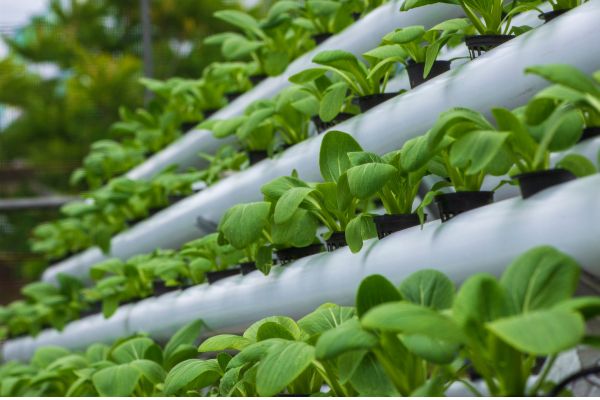
Hydroponic farming is a method of growing plants in a water-based, nutrient-rich solution without the need for soil. Instead of drawing nutrients from the ground, plants receive essential minerals directly from the water, which allows for faster and more controlled growth. This technique can be used in various environments, including greenhouses, vertical farms, and even indoor spaces, making it particularly suitable for urban settings where land is limited.
Why Hydroponic Farming is Ideal for Urban Areas
Urban farming often struggles with space constraints, but hydroponic systems can be set up in compact areas like balconies, rooftops, and basements. Vertical farming, a method that stacks hydroponic systems in multiple layers, allows for high-density cultivation in a small footprint. Cities like Singapore and New York have embraced hydroponic technology to grow fresh produce closer to consumers, reducing the reliance on long-distance transportation.
Benefits of Hydroponic Farming
Higher Yield and Faster Growth
One of the biggest advantages of hydroponic farming is its ability to produce higher yields in a shorter time. Plants grow faster because they receive a direct supply of nutrients in an optimized environment. Studies have shown that hydroponic plants can grow up to 50% faster than their soil-grown counterparts. Additionally, the controlled environment minimizes exposure to pests and diseases, further boosting productivity.
Water Conservation Benefits
Traditional agriculture consumes vast amounts of water, with much of it lost through soil absorption and evaporation. In contrast, hydroponic farming uses up to 90% less water because the system recycles and reuses it. Since hydroponic systems operate in a closed-loop setup, water loss is minimized, making it a highly sustainable option, particularly in regions facing water shortages.

Reduced Dependency on Weather Conditions
Climate change and unpredictable weather patterns pose a significant threat to conventional farming. Hydroponic farming, however, takes place in controlled environments where temperature, humidity, and light are optimized for plant growth. This means urban growers can cultivate crops year-round, irrespective of seasonal changes, ensuring a consistent supply of fresh produce.
Healthier and Pesticide-Free Produce
Soil-based farming often requires pesticides and herbicides to protect crops from pests and weeds. Since hydroponic systems eliminate the need for soil, they also reduce the risk of soil-borne diseases and contaminants. This results in cleaner, safer, and pesticide-free produce, which is healthier for consumers and more environmentally friendly.
The Rise of Smart Hydroponics and Automation
The integration of technology into hydroponic farming is making the process even more efficient. IoT-enabled hydroponic systems allow farmers to monitor and control temperature, humidity, and nutrient levels remotely. AI-powered automation can adjust these parameters in real time, optimizing growth conditions and reducing labor costs. As smart hydroponic solutions become more affordable, they are making urban farming more accessible to both small-scale growers and commercial enterprises.
Cost Considerations and Future Prospects
Although hydroponic farming requires an initial investment in equipment and infrastructure, the long-term benefits outweigh the costs. Higher crop yields, reduced water usage, and lower dependency on pesticides result in greater profitability over time. Governments and private investors are recognizing the potential of hydroponic farming, leading to increased funding and support for urban agriculture projects.
Conclusion
Hydroponic farming is transforming urban agriculture by offering a sustainable, efficient, and scalable way to grow fresh produce. Its ability to conserve water, eliminate soil-related challenges, and operate in controlled environments makes it an ideal solution for cities. As technology continues to advance, hydroponics will play a crucial role in addressing global food security and providing a greener future for urban growers.