From Device Procurement to Deployment: Why Real-Time Parcel Tracking is Critical for MDM

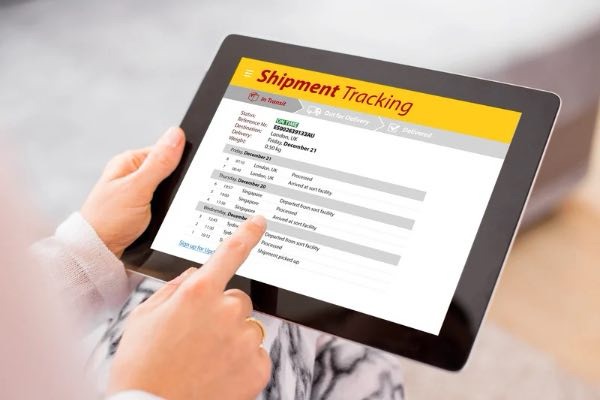
Managing enterprise devices… well, it’s messy. Honestly, it really is. You might think it’s just laptops, phones, tablets — hand them out, done. But each device? It carries weight. Security, productivity, responsibility. IT teams spend hours, no, days, configuring policies, installing apps, making sure compliance doesn’t break anywhere. And yet, here’s the kicker: most strategies ignore the journey these devices take before they even reach a user. Everyone assumes the packages will just… show up. Spoiler alert: they don’t.
And that’s where InstantParcels quietly makes life easier. Tracking shipments might sound mundane, boring even, but try managing hundreds of devices for a global team and see how fast that “boring” becomes critical. Delays, lost packages, customs holdups — suddenly, your rollout schedule is chaos. Knowing exactly where a device is, in real time? Game-changer. IT teams can plan, avoid panic, and make sure the right devices reach the right people at the right moment. Simple, yet surprisingly transformative.
Now, let’s be honest. Most MDM strategies focus on the device once it’s live. Security, compliance, remote management — all essential, yes. But the journey matters too. You can’t enforce a policy on a tablet sitting in a warehouse halfway across the world. And yet… how often do we actually account for that? Not enough. Tracking bridges that gap. Gives visibility. Gives peace of mind.
Think about distributed teams. Frontline workers, retail staff, international offices — each device counts. One missing phone, and suddenly tasks aren’t completed. Employees frustrated. Support tickets pile up. Tracking in real time helps IT anticipate problems, shift resources, even adjust schedules. Proactive management instead of firefighting. And, honestly, it feels good knowing things are under control.
Shipping is complicated. Multiple carriers. Different countries. Customs. Temperature-sensitive devices. Even insurance. One hiccup and your rollout becomes a mess. Integrating tracking into MDM isn’t just smart; it’s essential. You’re not just monitoring a box — you’re managing workflows, deadlines, and expectations.

You might say, “Isn’t this overkill?” Well… maybe at first glance. But ask any IT manager who’s coordinated a 500-device deployment across three continents. Each delay? Headache. And with real-time tracking? Most of those headaches disappear before they even start.
And let’s not forget people. IT staff juggle tickets, support calls, audits, emergencies. Knowing a shipment is being monitored reduces stress. Frees them to focus on real work — configuring devices, securing networks, helping employees. Employees benefit too. Devices arrive on time, pre-configured, ready to use. Productivity doesn’t stall. Confidence rises. Little things, big impact.
Then there’s cost. Lost or delayed devices aren’t just inconvenient; they’re expensive. Replacement fees, expedited shipping, extra support labor — adds up fast. Tracking allows teams to optimize logistics, pick reliable carriers, reduce unnecessary expenses. It’s like having a crystal ball. Not perfect, obviously, but close enough.
Compliance is another factor. Healthcare, finance, government — all need documented proof that devices reach the right hands. Real-time tracking provides that audit trail. Accountability baked in. Peace of mind for IT, compliance teams, executives. Everyone wins.
Tracking doesn’t replace human expertise. Skilled IT teams still configure, enforce, troubleshoot. But think of tracking as a co-pilot: guiding, informing, smoothing the journey. Partnership between humans and tools.
Scaling? Yeah, that’s huge. As fleets grow, manual tracking fails. Hundreds, thousands of devices moving globally. Centralized tracking keeps operations predictable. You can plan smarter, not harder. And yes, it’s a little miraculous when things actually arrive on time.

Collaboration improves too. Procurement, IT, HR, logistics — all see the same picture. Everyone knows where devices are, when they’ll arrive, and what to prepare for. Siloes dissolve. Communication improves. Stress decreases.
Humans are unpredictable. Carriers mess up. Customs holds packages. Packages vanish for a day or two. Tracking doesn’t make it disappear, but it gives IT teams tools to respond calmly. Turns reactive chaos into proactive planning.
Device management isn’t just policies or software. The physical journey — warehouse to endpoint — matters. Integrating shipment tracking enhances visibility, reduces risk, supports compliance, and lets IT teams focus on what matters: devices that work for employees, not the other way around.
Next time you plan a rollout, don’t just think about apps, policies, security. Think about the boxes. Think about the journey. A device that arrives late, lost, or damaged? Not just a logistical issue. Productivity problem. Compliance problem. Stress problem. And real-time tracking? Surprisingly powerful solution.