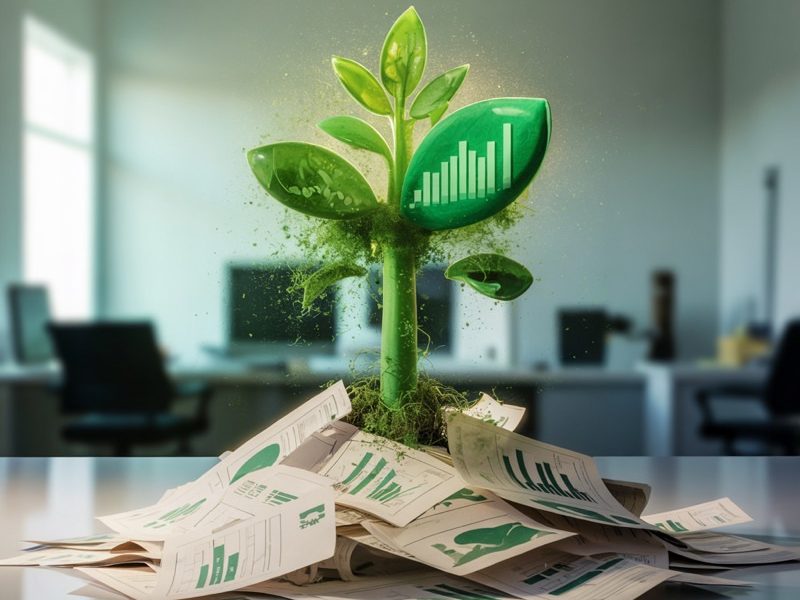

In 2026, sustainability has crossed a critical threshold for small and mid-sized enterprises—it is no longer a cost center or branding exercise, but a direct driver of growth, profitability, and market access. SMEs integrating sustainability into operations are reporting lower operating costs, stronger client retention, easier access to capital, and faster entry into global supply chains. What was once viewed as “doing the right thing” has become a competitive business advantage.
The most important shift is this: sustainability is no longer defined by intent, but by measurable outcomes. Energy efficiency, waste reduction, traceability, and responsible sourcing are now quantifiable—and buyers, investors, and partners are actively rewarding SMEs that can demonstrate them. In many sectors, being sustainable is no longer optional; it is how growth is unlocked.
Why Sustainability Started Paying Off
Three forces converged post-2024 to change the economics of sustainability:
Rising energy and resource costs Global buyers enforcing ESG-linked procurement Financial institutions aligning funding with sustainability metrics
As a result, SMEs that adopted sustainable practices early are now operating with structural cost advantages and higher credibility.
Where Sustainability Is Delivering Tangible ROI
1. Energy Efficiency & Cost Control
SMEs investing in energy monitoring, efficient equipment, and renewables are cutting utility costs significantly.
Business impact: Lower operating expenses and predictable cost structures.
2. Sustainable Supply Chain Access
Global buyers increasingly require ESG compliance from suppliers.
Business impact: Access to premium clients and long-term contracts.
3. Waste Reduction & Resource Optimization
Process improvements reduce material waste and rework.
Business impact: Higher margins without increasing prices.
4. Green Financing & Incentives
Banks and funds are offering better terms to sustainable businesses.
Business impact: Cheaper capital and improved cash flow.
5. Brand Trust & Customer Loyalty
Customers increasingly favor responsible businesses.
Business impact: Stronger retention and word-of-mouth growth.
Why SMEs Have an Advantage Over Large Corporates
SMEs can implement sustainability faster because they:
Have shorter decision cycles Can pilot changes without bureaucracy Align teams quickly around purpose
This agility allows them to capture benefits early while larger firms are still planning.
The Mistake to Avoid
The biggest error SMEs make is treating sustainability as a reporting exercise rather than an operational strategy. Real value emerges when sustainability decisions are embedded into daily processes—not annual statements.
The Strategic Reality of 2026
Sustainability is no longer about compliance.
It is about efficiency, resilience, and future readiness.
SMEs that understand this are not just greener—they are stronger, leaner, and more attractive to the markets they serve.