

Some challenges don’t ask you to rebuild or restart — they ask you to hold steady. “Weather the storm” is about endurance with awareness.
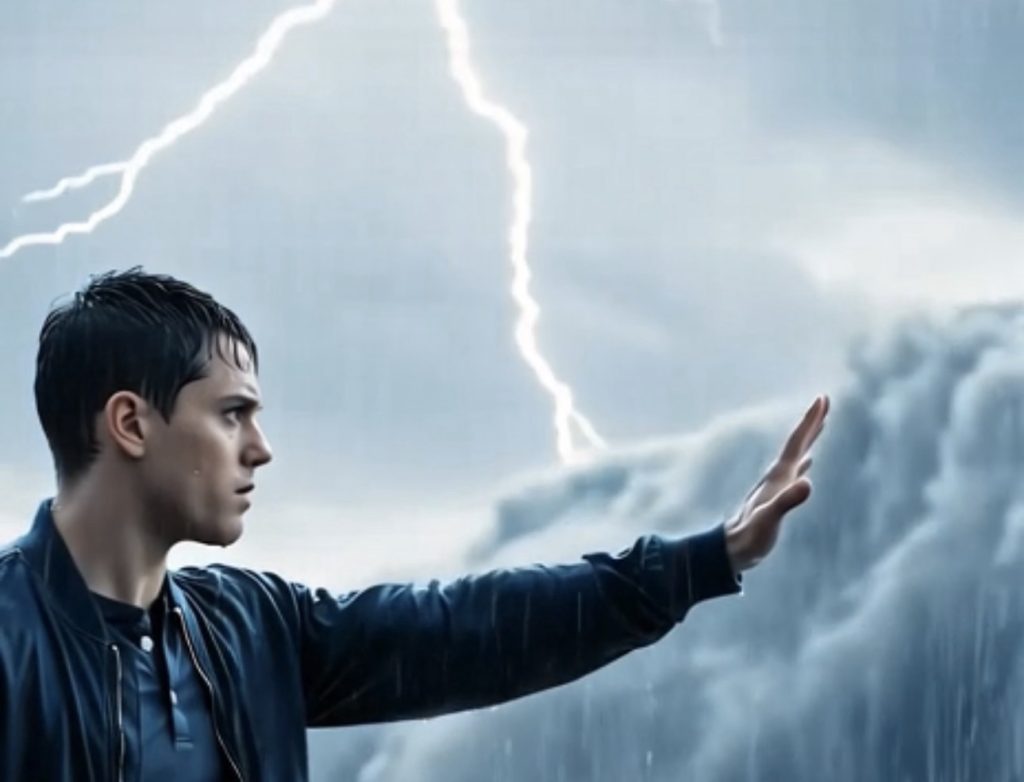
It’s the wisdom of knowing that not every phase of chaos needs action, and not every difficulty needs an immediate solution.
Some moments simply require strength, patience, and trust in your ability to last.
Why this idiom feels deeply relevant
Uncertainty has become the background noise of modern life. Economic cycles fluctuate. Industries transform. Personal lives face invisible pressures. In such times, the instinct is often to panic, overreact, or abandon course too quickly.
But storms are temporary by nature. Those who survive them intact are not always the fastest or loudest — they are the ones who stay grounded while everything around them shakes.
The difference between reacting and weathering
Reacting is driven by fear.
Weathering is driven by perspective.
To weather a storm means:
You don’t deny the severity of the situation
You don’t make reckless moves to escape discomfort
You conserve energy and protect what matters most
You wait for visibility before changing direction
It is strength expressed through restraint.
Real-life storms we all face
Business slowdowns
Revenue dips, clients pause, momentum slows. The storm phase is not the time for drastic pivots — it’s the time to stabilize, reduce noise, and maintain core relationships.
Career uncertainty
Role changes, reorganizations, or stagnation can feel unsettling. Those who weather it well keep learning, observing, and preparing quietly for the next opening.
Personal turbulence
Emotional exhaustion, family challenges, health issues — storms in life demand compassion toward yourself. Survival itself becomes progress.
Storms test patience more than capability.
How to weather a storm without breaking
Stabilize before you optimize First, ensure safety — financial, emotional, operational. Growth can wait; stability cannot.
Narrow your focus
In storms, do fewer things — but do them well. Simplicity keeps you sane.
Control what’s controllable
You can’t calm the storm, but you can strengthen your shelter — habits, routines, relationships, health.
Avoid irreversible decisions
Storms distort judgment. Delay major commitments until clarity returns.
Trust the cycle
Every storm in nature passes. Human systems are no different.
Why leaders must learn this idiom
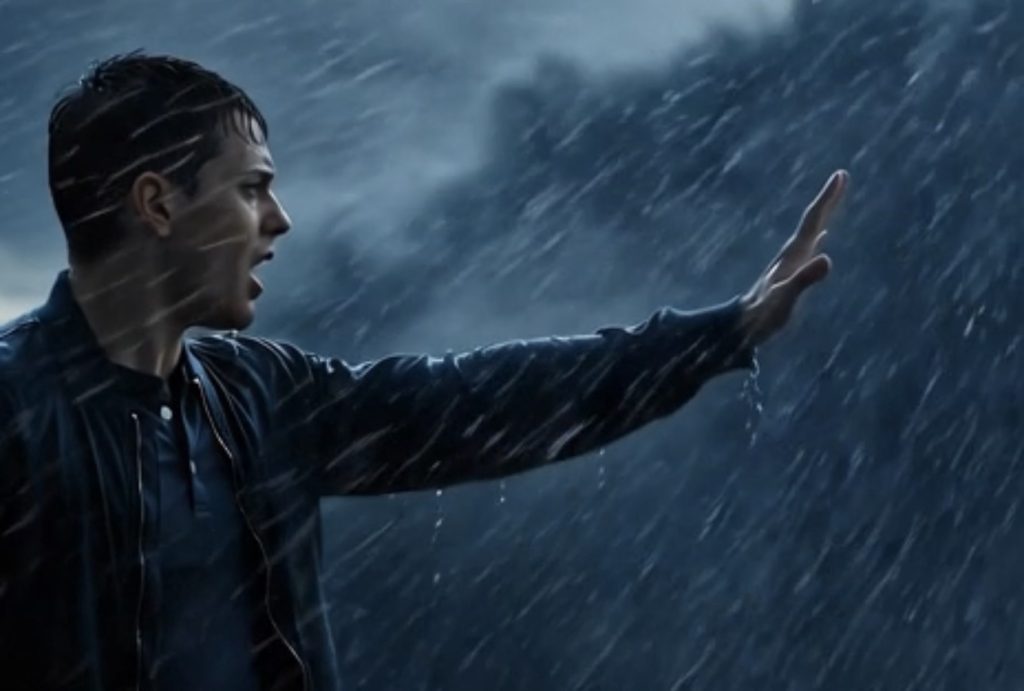
Leaders are emotional anchors. When they panic, teams fracture. When they remain composed, teams endure. Weathering the storm doesn’t mean pretending everything is fine — it means acknowledging difficulty while projecting steadiness and long-term thinking.
Calm leadership shortens storms.
The hidden gift of storms
Storms strip away illusions. They show what truly matters, who truly supports you, and what systems are strong enough to survive pressure. When the skies clear, those who weathered the storm emerge with clearer priorities and quieter confidence.
Takeaway
To weather the storm is to believe that this moment is a phase, not a verdict. It is the courage to stay present, preserve your strength, and wait for the right moment to move. Some victories are not about advancing — they are about enduring with grace. And often, simply staying standing becomes the foundation for everything that comes next.