The Rise of the ‘Kidult’: Why Adults Are Buying More Toys Than Kids — And What This Means for the Future

A surprising shift is happening in the global toy industry — and it’s not being driven by children.
A new report from Circana reveals that adults aged 18 and above spent $1.5 billion on toys in the last quarter of 2024, officially surpassing the spending of the industry’s second-largest consumer group, children aged 3 to 5. The movement is so strong that adults now make up 28% of all global toy sales, up 2.5% since 2022.
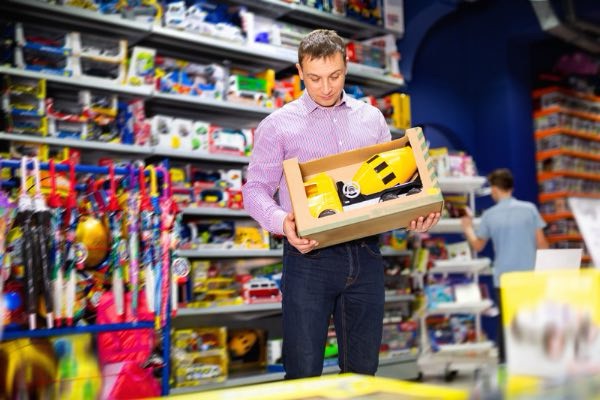
Welcome to the era of the kidult — adults who collect, build, tinker, and play. And they are not only reshaping consumer behaviour; they are transforming industries, economies, and our understanding of joy itself.
Why Are Adults Buying Toys Again?
This isn’t immaturity.
This is therapy, nostalgia, identity, and creative fulfillment finding new expression.
Kidults are turning to toys because:
1. Nostalgia Is Comfort
In an uncertain world, adults are returning to objects that once made them feel safe — action figures, comic collectibles, card games, model kits, retro toys.
These aren’t purchases.
They are portals to a simpler time.
2. Stress Relief Has a New Shape
Lego sets, puzzles, miniature-building, model trains, and strategy games offer something rare today:
A break from screens, a break from chaos, a break from overthinking.
People aren’t buying toys —
they are buying peace.
3. Toys Are Becoming Creative Tools
Adult Lego sets now span architecture, engineering, art, space, and robotics.
Building them feels like meditation with bricks.
With 142 adult-specific Lego sets, the brand saw 13% growth in 2024 alone — proof that play fuels creativity long after childhood ends.
4. Collectibles Have Become Investments
From Funko Pops to action figures to trading cards, collectibles now behave like micro-assets.
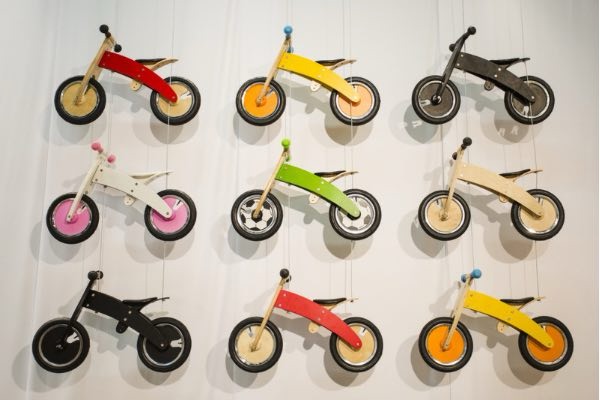
People buy:
for passion, for display, for identity and sometimes for profit
A passion economy has quietly awakened.
The Business Opportunity No One Should Ignore
The collectible-toy market is projected to reach $35.3 billion by 2032.
This is no fad — it’s a new economic force.
Brands that cater to adults stand to gain in five major ways:
Higher price willingness
Adults are ready to pay premium prices for quality, nostalgia, and craftsmanship.
My
Collectors don’t buy once — they buy for years.
Community-driven loyalty
Fans form communities, and communities drive DD lcontinuous demand.
Cross-generational storytelling
Parents share hobbies with their children, expanding the market organically.
The rise of display culture
People love curating shelves, workspaces, and social feeds with items they love.
What This Means for Society
This rise of kidults has a deeper philosophical lesson.
For decades, adulthood meant seriousness, responsibility, pressure, and emotional restraint. But this generation is rewriting the definition:
Adulthood can include play.
Play can include healing.
Healing can include joy.
We are witnessing a cultural shift toward celebrating creativity at every age.

The lines between childhood and adulthood are no longer walls — they are bridges.
Why This Trend Will Only Grow in 2026 and Beyond
Several forces will amplify this movement:
Digital burnout Toys offer non-digital joy. Mental health awareness Adults are embracing hobbies that calm the mind. Rise of creator culture People want activities that engage the hands, eyes, and imagination.
Nostalgia-driven marketing Brands are reintroducing classics because adults are buying them. Social media display aesthetics Curated shelves, themed rooms, and collections are becoming expression tools.
This is just the beginning.
The Big Insight: Play Is Not Childish — It’s Human
What the toy industry has rediscovered is something ancient:
Play is not a childhood phase.
Play is a lifelong human need.
Adults who play are not escaping reality —
they are reconnecting with parts of themselves they lost while growing up.
And perhaps, that is why this trend resonates so deeply.
In a world where pressure grows faster than opportunity, joy becomes an act of resilience, and hobbies become quiet revolutions.
A Closing Reflection
As the kidult economy rises, the message is clear:
The future belongs to those who keep their imagination alive.
Whether through Lego sets, collectible cards, puzzles, miniatures, building kits, or artistic toys — adults are rediscovering the power of joy.
Small businesses, creators, artists, and entrepreneurs who understand this shift will find a market not driven by children’s whims, but by adults’ longing for meaning, nostalgia, beauty, and emotional comfort.
The age of the kidult is here —
and it’s not childish at all.
It is the return of wonder.