You know that familiar sinking feeling. Another stack of progress reports due, and somewhere in that mountain of papers sits the documentation you desperately need for tomorrow’s IEP meeting. Special education case management has always demanded juggling skills that would make a circus performer jealous.
Each student brings their own constellation of needs, personalized goals, and progress markers that need constant attention. The old ways? They’re breaking down under the weight of modern caseload demands, when you’re coordinating across therapists, teachers, and parents who all operate on completely different schedules.
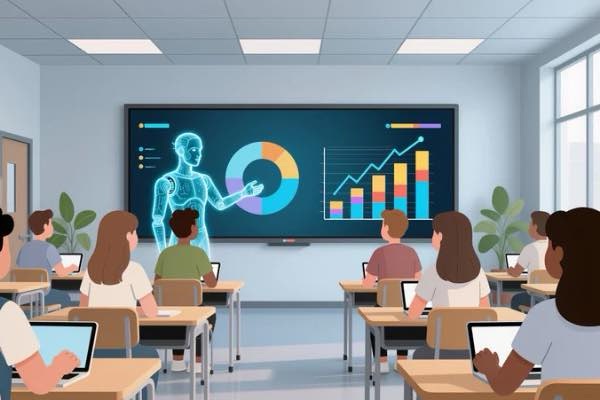
Here’s the good news: virtual approaches are revolutionizing how tracking student progress actually works. This creates systems that keep you organized, legally compliant, and focused where your attention belongs on student success.
The Challenges of Traditional IEP Progress Monitoring
Outdated monitoring systems create genuine barriers for case managers that extend well beyond simple inconvenience. These roadblocks actively harm student outcomes while accelerating teacher burnout.
Paper-Based Documentation Problems
Physical forms have an uncanny ability to vanish at precisely the wrong moment. That panic when crucial documentation disappears hours before a parent conference? You’ve been there. Beyond the disappearing act, paper records make spotting patterns across your caseload essentially impossible. Research confirms what you already suspected: special education data collection can be challenging, especially for busy special ed teachers and paraprofessionals in schools. With twenty or thirty students depending on you, this transcends annoyance and becomes a legitimate compliance hazard—particularly when proximity learning strategies depend on timely, accurate data to support student progress.
Growing numbers of districts are discovering advantages when hiring a sped case manager with expertise in virtual case management, enabling IEP documentation coordination and progress monitoring through protected digital platforms. This strategy guarantees every stakeholder accesses current data without swimming through paper chaos.
Time Management Issues for Special Educators
Hours evaporate weekly on administrative busywork instead of actual student interaction. Entering data manually, building reports from nothing, tracking down vanished information, these tasks devour instructional time that should belong to teaching. The data collection IEP goals workflow grows so bloated it actively interferes with your primary job.
Your schedule needs systems that function as allies, not obstacles. Quick-entry options, reports that generate themselves, mobile accessibility, these features let you document observations while they’re happening rather than reconstructing foggy memories after an exhausting day.
Communication Gaps Between Stakeholders
Everyone needs current student information: parents, therapists, classroom staff, administrators. Coordinating schedules for updates using traditional approaches? You might as well herd cats. Email threads spiral into confusion, phone conversations breed misunderstandings, vital details slip away unnoticed.
When communication breaks down, intervention delays follow, sometimes weeks pass before teams catch students falling behind expected progress. Online student assessment platforms eliminate this problem by creating central hubs where authorized participants view updates, contribute observations, and maintain coordination without message ping-pong marathons.
Virtual vs. Traditional IEP Progress Monitoring
Aspects
Traditional Methods
Virtual Solutions
Data Entry
Manual forms, time-consuming
Quick digital entry, mobile options
Report Generation
Created from scratch each time
Automated with templates
Team Communication
Multiple channels, potential gaps
Centralized platform, real-time updates
Progress Visualization
Hand-drawn graphs or basic spreadsheets
Automatic charts and trend analysis
Parent Access
Quarterly paper reports
Real-time portal access
Data Security
Physical storage risks
Encrypted cloud backups
Compliance Tracking
Manual checklist management
Automated deadline reminders
Historical Data Review
Difficult, requires file searching
Searchable archives, instant access
How Virtual Tools Transform IEP Data Collection
Digital platforms represent more than electronic paper forms, they fundamentally reshape how case managers operate. Moving to virtual infrastructure unlocks capabilities that traditional methods simply cannot provide.
Real-Time Data Capture Benefits
Picture this: you’re watching a student nail a skill during morning work. You grab your tablet, log the observation immediately. No delay, no relying on memory later. Real-time tracking student progress delivers superior accuracy because you’re recording what you’re actually witnessing, not reconstructing events hours afterward.
Immediate documentation also accelerates problem identification. Notice a previously-mastered skill suddenly causing trouble? Your team can respond within days rather than waiting weeks for formal progress reviews.
Automated Progress Reporting
Software crunches percentages, builds graphs, generates reports automatically from entered observations. Hours of work vanish while calculation mistakes drop to zero. The system handles mathematics, creates visual summaries, even flags students not advancing adequately toward targets.
Your expertise gets directed where it belongs: analyzing patterns and designing interventions. Not wrestling with spreadsheets and charts. Technology shouldn’t replace professional judgment, it should liberate time for cognitive work requiring actual expertise.
Accessible Dashboard Systems
Modern platforms deliver whole-caseload snapshots instantly. Which students need immediate attention? Which goals are progressing smoothly? Where has advancement stalled? Dashboards make prioritization dramatically easier when you’re managing diverse students with completely different requirements.
Parents receive simplified dashboard versions, maintaining awareness about their child’s trajectory without quarterly report delays. Research demonstrates that by exploiting data on actual enrollment. The protective benefits of in-person learning are twice as large as previously estimated once we account for low rates of student take-up. This transparency cultivates trust while encouraging deeper family participation in education.
Essential Features of Effective Virtual Case Management
Digital tools vary wildly in delivered value. When evaluating virtual case management systems, look for specific capabilities addressing your unique professional requirements.
Secure Documentation Storage
FERPA compliance isn’t negotiable, it’s law. Virtual platforms require encryption, granular access controls, complete audit trails documenting every view and modification. Cloud storage delivers automatic backups, protecting information from hardware disasters or equipment failures.
Security should feel invisible during normal use while maintaining absolute protection against unauthorized access. The strongest systems balance user convenience with uncompromising information protection.
Goal Tracking and Monitoring Tools
Effective platforms connect daily observations directly to specific IEP targets. This linkage clarifies whether instruction actually advances students toward objectives. Tools supporting data collection IEP goals must accommodate diverse measurement approaches, discrete trial recording, work sample documentation, standardized assessment results.
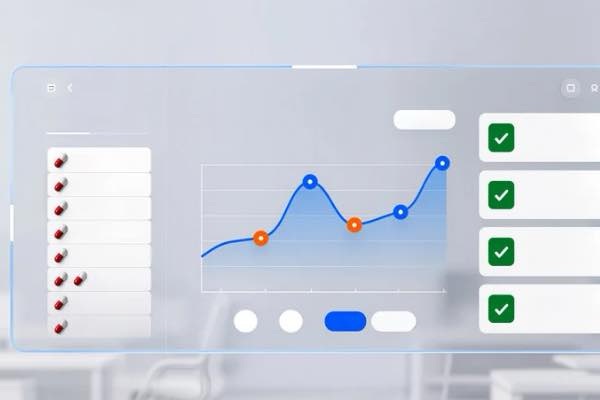
Customizable tracking templates accelerate initial setup while preserving flexibility for individual requirements. Your system should support whatever measurement methodology the team determines most appropriate for each unique goal.
Collaboration Platforms
Integrated messaging, shared scheduling, collaborative document features maintain team coordination. When your speech pathologist needs to share new techniques with classroom teachers, scheduling meetings or firing off multiple emails shouldn’t be necessary. Embedded communication tools make quick consultations effortless.
Video conferencing integration has transitioned from nice-to-have to absolutely essential, particularly for coordinating with parents unable to attend physical meetings. Teams review progress data together virtually, making meaningful participation accessible regardless of location.
Implementing Digital Solutions Successfully
Brilliant technology means nothing if users can’t figure it out. Successful transitions require thoughtful planning plus sustained support throughout implementation.
Staff Training Requirements
Initial sessions should address fundamental navigation, data entry basics, and report generation. But that’s merely the foundation. Ongoing support through reference guides, tutorial videos, responsive help resources determines whether your staff embraces or abandons new systems.
Deliver training in digestible portions rather than overwhelming everyone simultaneously. Begin with essential daily operations, gradually introducing sophisticated features as confidence develops.
Parent Engagement Strategies
Parents require guidance interpreting online student assessment data they’re viewing. Simple orientation materials explaining graph interpretation and progress indicators help families become genuine partners monitoring IEP goal achievement.
Regular portal reminders maintain parent engagement. Some families check daily; others need occasional prompts, systems should accommodate both patterns without creating additional staff workload.
Compliance and Security Considerations
Every district maintains specific policies governing data storage, access permissions, retention periods. Virtual systems must align with these requirements while satisfying state and federal regulations. Documentation should transparently show who accessed records and when, creating audit trails necessary during compliance reviews.
Security updates and patches demand constant attention. Case managers should partner with IT departments ensuring systems remain current and protected against evolving threats.
Moving Forward With Virtual Progress Monitoring
Transitioning from paper systems to virtual case management transcends simple convenience, it’s genuinely transforming how special education teams support students with disabilities. When you can access accurate, current information instantly, intervention decisions and instructional adjustments improve dramatically.
Virtual infrastructure has evolved into an essential education framework, not optional enhancement. The question you’re facing isn’t whether to adopt digital approaches anymore, it’s selecting appropriate systems and implementing them thoughtfully. Every student with an IEP deserves a team capable of efficiently tracking advancement, identifying concerns early, and celebrating achievements as they happen in real-time.
Your Questions About Virtual IEP Progress Tracking
How long does it take to transition from paper to digital IEP tracking?
Most schools complete basic implementation within 6-8 weeks, though full adoption typically takes a semester as staff become comfortable with new workflows and features.
Can parents really access progress data between official reports?
Yes, secure parent portals allow viewing current progress graphs and recent observations while protecting confidential information through controlled access permissions and authentication requirements.
What happens if the internet goes down during important data entry?
Quality systems include offline modes that sync automatically when connectivity returns, ensuring no data loss and allowing continued documentation during technical issues.