Few financial options have grown as quietly—and as quickly—as Buy Now Pay Later.
At checkout, it feels harmless. No paperwork. No credit card anxiety. No immediate payment. Just split the cost and move on. For millions of consumers, BNPL has transformed how purchases feel—lighter, easier, almost invisible.

But ease is not the same as safety.
The real question is no longer whether BNPL is popular.
It’s whether it is financially empowering or psychologically misleading.
The Rise of Buy Now Pay Later
Globally, BNPL usage has surged over the last five years. Industry estimates suggest that over 360 million consumers worldwide have used BNPL services, with adoption driven largely by millennials and Gen Z.
In India, BNPL transactions have grown rapidly alongside e-commerce and fintech adoption. Reports indicate that BNPL accounts for a significant portion of short-term digital credit, especially for purchases under ₹5,000–₹10,000. The appeal lies in instant approval, minimal friction, and flexible repayment windows.
From a market perspective, BNPL fills a gap traditional credit products struggled with—small-ticket, short-duration credit.
Why BNPL Feels Like Smart Cash Flow
For disciplined users, BNPL can genuinely help manage liquidity.
Spreading payments allows consumers to handle temporary cash mismatches without dipping into savings. For essential purchases—electronics repairs, work tools, or urgent expenses—it provides breathing room without long-term commitment.
BNPL also feels safer than credit cards to many users because of fixed instalments and shorter repayment cycles. There’s clarity in knowing exactly when the obligation ends.
Used intentionally, BNPL can act as a short-term cash flow bridge, not a debt habit.
Where the Risk Begins While Using BNPL
The challenge with BNPL isn’t the structure—it’s the psychology.
Multiple studies show that consumers tend to spend 20–30% more when using deferred payment options compared to upfront payments. When the pain of payment is delayed, purchase decisions become less cautious.
What feels like one small instalment often turns into several overlapping ones. Individually manageable. Collectively overwhelming.
Missed payments, even by a few days, can trigger late fees, penalties, and in some cases, negative credit reporting. In markets where regulation is still evolving, consumer awareness often lags behind usage.
The Silent Credit Score Impact
One of the most misunderstood aspects of BNPL is its relationship with credit health.
While not all BNPL providers report to credit bureaus, some do—especially in cases of defaults or delayed payments. As regulatory frameworks tighten, this reporting is expected to increase.
For young consumers using BNPL as their first form of credit, poor repayment habits can quietly damage future borrowing potential—without the immediate warning signs traditional loans carry.
Who BNPL Works For
BNPL works best for consumers who already have financial awareness and control.
Those with predictable income, limited outstanding obligations, and clear repayment discipline can use BNPL strategically. It can help smooth expenses without creating dependency.
Used sparingly and consciously, BNPL behaves like a tool—not a trap.
Who Should Be Careful
BNPL becomes dangerous for consumers relying on it for lifestyle upgrades rather than necessities.
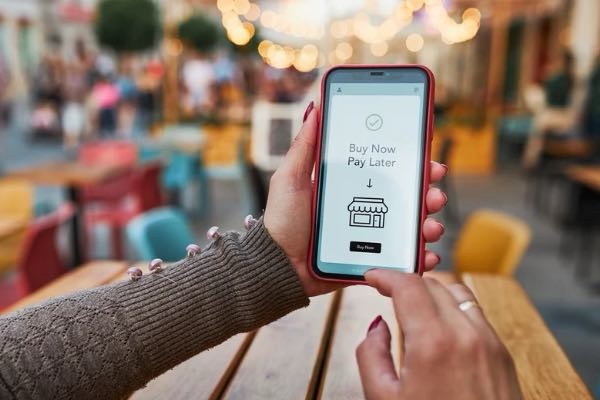
If deferred payments are being used to justify purchases that wouldn’t happen otherwise, that’s a signal—not a solution. When instalments replace budgeting, debt stops feeling like debt.
Young earners, first-time credit users, and impulsive spenders need to approach BNPL with extra caution.
The Bigger Picture
From a system-level view, BNPL reflects a shift in how credit is embedded into daily life. It doesn’t feel like borrowing, which is precisely why it requires more awareness—not less.
Convenience has outpaced education.
The iU Verdict
Buy Now Pay Later is neither a villain nor a saviour.
Used with intention, it can support short-term cash flow and responsible spending. Used casually, it blurs financial boundaries and normalises debt without accountability.
The smartest way to use BNPL is to treat it like cash—
If you wouldn’t buy it outright, you probably shouldn’t split it either.
Because real financial freedom isn’t about delaying payment.
It’s about understanding it.