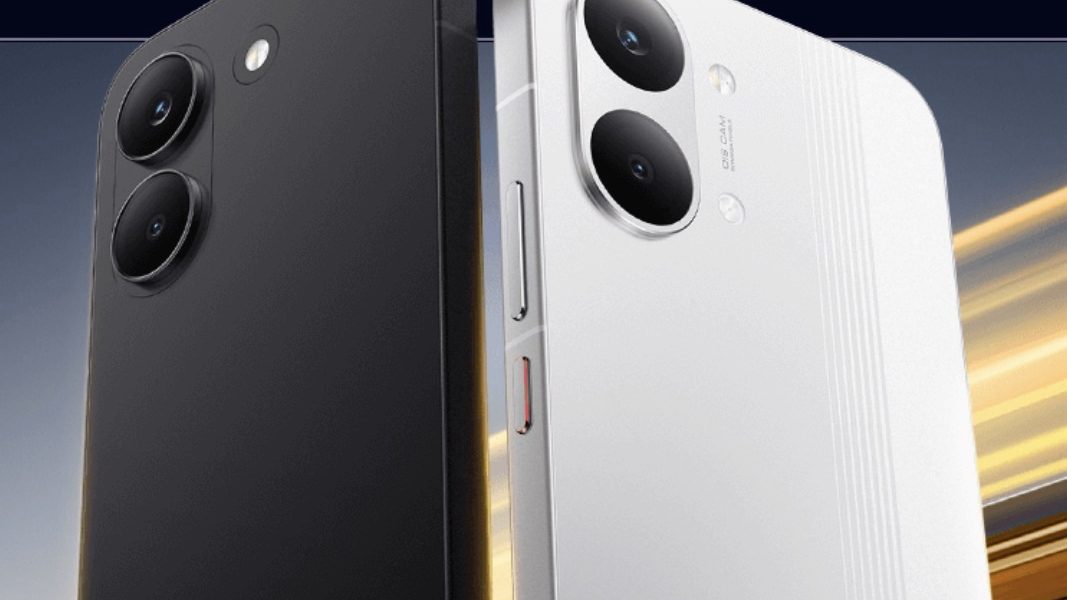
Xiaomi Poco X8 Pro Max: How It Stacks Up Against Samsung, Oppo, and Vivo in the Battle for the Ultimate Value Smartphone

In the modern smartphone market, innovation is no longer reserved only for flagship devices. The real competition — the space where millions of users make their buying decisions — lies in the upper mid-range segment.
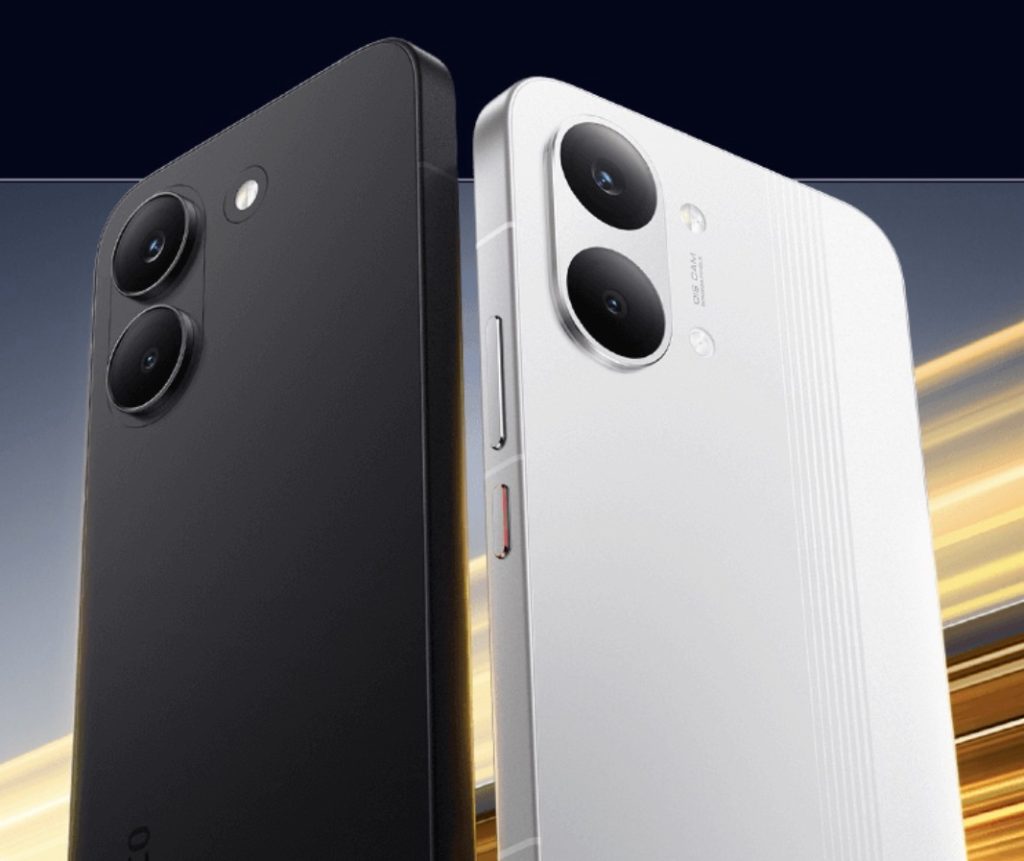
This is where brands attempt to deliver near-flagship performance without the flagship price.
The arrival of the Xiaomi Poco X8 Pro Max is a clear signal that this battle is far from over. Poco has built its reputation on a simple promise: maximum performance for the price. With each generation, it has targeted users who want powerful hardware without paying premium flagship costs.
But Poco is not alone in this race. Brands like Samsung, Oppo, and Vivo have been aggressively strengthening their mid-range portfolios with devices that emphasize design, camera innovation, and ecosystem integration.
So where does the Poco X8 Pro Max stand in this competitive field?
Let’s explore how it compares with some of the closest rivals from these major brands.
Xiaomi Poco X8 Pro Max
The Poco X-series has always been about delivering serious performance at an accessible price point, and the Poco X8 Pro Max continues that tradition.
The device focuses heavily on three areas that modern users care about most: processing power, display experience, and battery life.
Poco devices are typically engineered for users who demand smooth gaming performance, rapid app switching, and long hours of screen time without lag.
One of the defining traits of Poco phones is their aggressive hardware approach. Instead of prioritizing aesthetics alone, the brand often equips its devices with processors and memory configurations that rival much more expensive phones.
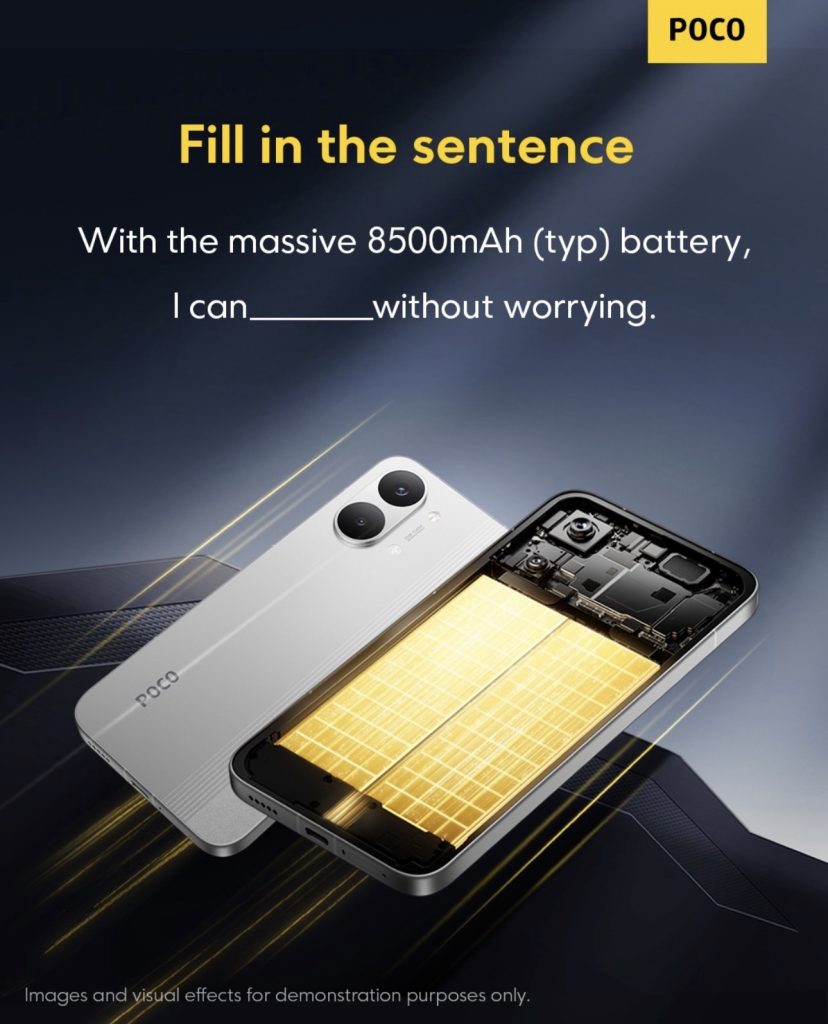
For users who value speed, responsiveness, and value for money, the Poco X8 Pro Max positions itself as a highly compelling option. Until its launch you can explore: Poco F8 Pro 5G
But performance is only one side of the story.
Samsung Galaxy A-Series Equivalent
Samsung’s answer to Poco’s performance-focused strategy comes through its Galaxy A-series, particularly devices like the Samsung Galaxy A56 and Samsung Galaxy A55.
Where Poco emphasizes raw power, Samsung takes a more balanced approach. The Galaxy A-series is designed to appeal to users who want reliability, brand trust, and long-term software support.
Samsung’s advantages typically include:
One of the best AMOLED displays in the segment
Consistent software experience through One UI
Strong ecosystem integration with Samsung devices
Longer update commitments compared with many competitors
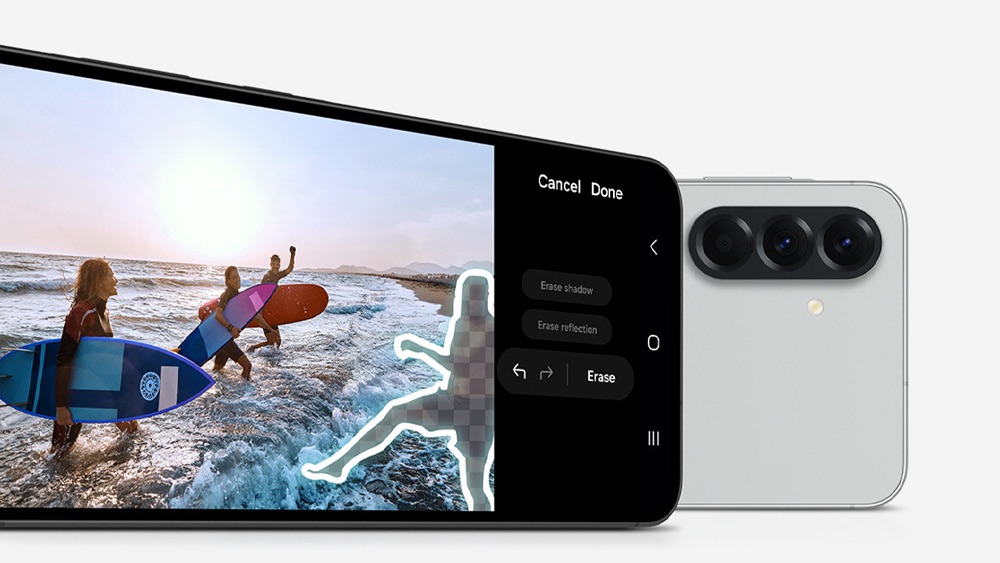
The trade-off is that Samsung devices sometimes prioritize refinement over raw performance, meaning heavy gamers may find Poco’s hardware slightly more aggressive in comparison. Explore: Samsung Galaxy A36 5G A Series
For users who prefer stability, polished software, and brand ecosystem value, Samsung remains a strong contender.
Oppo Reno Series Alternative
While Poco focuses on performance and Samsung emphasizes balance, Oppo often takes a different route entirely: design and camera aesthetics.
Devices like the Oppo Reno 12 showcase Oppo’s strategy of blending stylish design with powerful photography features.
Oppo phones in this category often stand out for:
Slim and elegant design language
Advanced portrait photography features
Fast charging technologies
AI-enhanced camera processing
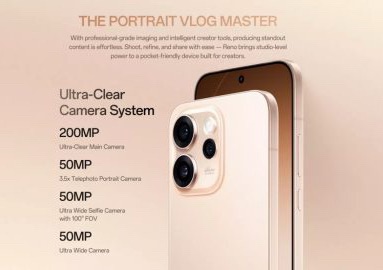
In many ways, Oppo positions its devices for users who see their smartphone as a lifestyle accessory as much as a technology tool.
Compared with the Poco X8 Pro Max, Oppo phones may sometimes sacrifice a little gaming power but compensate with superior camera tuning and premium aesthetics. Explore: Oppo Reno Series
For creators, photographers, and social media enthusiasts, this approach can be extremely appealing.
Vivo V-Series Contender
Vivo’s mid-range strategy often revolves around camera innovation and sleek design, particularly in devices like the Vivo V30.
Vivo has invested heavily in photography partnerships and imaging algorithms, positioning its devices as some of the best portrait photography phones in the mid-range segment.
Key strengths of Vivo’s approach include:
Advanced portrait lighting technology
Balanced performance with efficient processors
Sleek and lightweight designs
Strong selfie camera capabilities
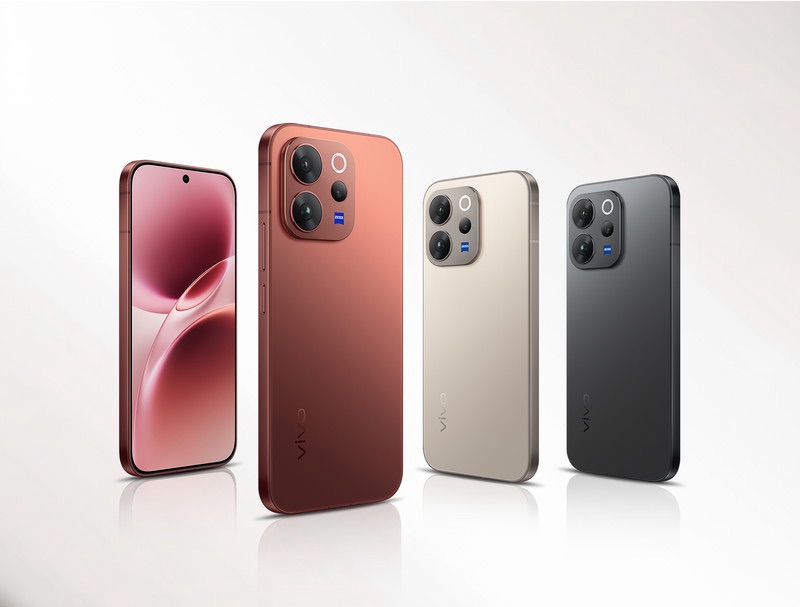
Compared with the Poco X8 Pro Max, Vivo devices may appeal more to users who prioritize camera versatility and stylish design rather than pure processing power. Explore Vivo V Series
The Core Difference in Philosophy
What makes this comparison fascinating is that each brand is solving the same challenge from a completely different perspective.
Poco aims to deliver maximum hardware power per dollar.
Samsung focuses on refined software and ecosystem reliability.
Oppo leans into design and photography innovation.
Vivo emphasizes camera technology and stylish form factors.
None of these strategies are inherently better than the others. Instead, they reflect different interpretations of what modern smartphone users value.
Which Phone Is Best for Which User?
Choosing between these devices ultimately depends on how you use your smartphone.
Users who prioritize gaming performance and raw speed will likely gravitate toward the Poco X8 Pro Max.
Those who value long-term software stability and ecosystem integration may find Samsung’s Galaxy A-series more reassuring.
Photography enthusiasts who want beautiful design and strong camera features might prefer Oppo’s Reno series.
Meanwhile, users passionate about portrait photography and stylish phones may lean toward Vivo’s V-series.
In other words, the competition in this segment is no longer about which phone is objectively better. It is about which phone aligns most closely with your digital lifestyle.
The Bigger Picture of the Smartphone Market
What makes devices like the Poco X8 Pro Max exciting is what they represent for the broader smartphone industry.
A few years ago, features like high-refresh displays, advanced cameras, and powerful processors were reserved almost exclusively for flagship devices.
Today, those innovations are rapidly moving into the mid-range segment — making high-performance smartphones accessible to a far larger global audience.
For consumers, this means something remarkable:
You no longer need to spend flagship prices to experience flagship-level technology.
And that shift is transforming how people choose their next smartphone.