
Whether You're A Small Business, Startup or A Professional,
Give Your Brand A Powerful Digital Footprint
That's Loved by Search Engines & AI Engines Equally
For A Price That's Industry Best...☝

How to Naturally Lower Your Blood Pressure
Did you know that approximately one-third of American adults have high blood pressure?
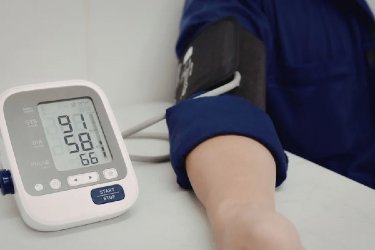 Moreover, only about half of them have their blood pressure under control. High blood pressure is also known as the "silent killer" since it often has no visible symptoms. In addition, hypertension is a leading cause of premature death globally, responsible for 7.5 million deaths
per year.
High blood pressure, also known as hypertension, is a common medical condition affecting millions of people worldwide. It is a significant risk factor for heart disease, stroke, and kidney failure.
While there are medications available to treat hypertension, natural methods can also be used to help lower blood pressure.
Here are some of the natural ways to lower blood pressure, based on scientific research and expert advice:
1. Maintain a Healthy Diet:
Diet plays a crucial role in managing hypertension. It is recommended to follow a DASH (Dietary Approaches to Stop Hypertension) diet, which includes whole grains, fruits, vegetables, low-fat dairy, fish, nuts, and seeds. This diet is rich in potassium, magnesium, and calcium, which are essential for maintaining healthy blood pressure levels. In contrast, a diet high in saturated and trans fats, salt, and added sugars can increase blood pressure.
2. Reduce Salt Intake:
alt or sodium is an essential mineral required by our body, but too much salt can be harmful. The American Heart Association recommends consuming less than 2,300 mg of sodium per day, and ideally, less than 1,500 mg per day for most adults. Sodium increases blood pressure by causing the body to retain water, which increases the volume of blood in the bloodstream. High sodium intake can also damage the walls of blood vessels, leading to hypertension.
3. Exercise Regularly:
Physical activity is essential for overall health, including blood pressure control. Regular exercise can help lower blood pressure by improving the flexibility of blood vessels, reducing the volume of blood, and increasing the efficiency of the heart. The American Heart Association recommends at least 150 minutes of moderate-intensity aerobic activity or 75 minutes of vigorous aerobic activity per week.
4. Reduce Alcohol Consumption:
Drinking excessive amounts of alcohol can increase blood pressure. In general, men should limit their alcohol consumption to two drinks per day, and women should limit it to one drink per day. One drink is defined as 12 ounces of beer, 5 ounces of wine, or 1.5 ounces of distilled spirits.
 5. Manage Stress:
Chronic stress can increase blood pressure by causing the body to produce more stress hormones like adrenaline and cortisol. Managing stress through techniques like deep breathing, meditation, yoga, and massage can help lower blood pressure. It is also essential to get enough sleep, as lack of sleep can increase stress levels.
6. Maintain a Healthy Weight:
Being overweight or obese is a significant risk factor for hypertension. Losing weight through a healthy diet and regular exercise can help lower blood pressure. A weight loss of even 5-10%
can have a significant impact on blood pressure levels.
7. Quit Smoking:
moking is harmful to overall health, including blood pressure. Nicotine in cigarettes causes blood vessels to narrow, increasing blood pressure. Quitting smoking can have immediate benefits for blood pressure and overall health.
8. Take Medications as Prescribed:
If your blood pressure is high, your doctor may prescribe medication to help lower it. It is essential to take these medications as prescribed and not stop them abruptly. Skipping doses or stopping medication can cause a sudden increase in blood pressure.
9. Limit Caffeine Intake:
Caffeine can temporarily increase blood pressure, so it is recommended to limit caffeine intake. This includes coffee, tea, and soda. It is also essential to check for hidden sources of caffeine, such as chocolate and some medications.
10. Increase Potassium Intake:
Potassium is an essential mineral that helps regulate blood pressure by counteracting the effects of sodium. Foods high in potassium include bananas, sweet potatoes, spinach, avocado, and tomatoes. However, people with kidney disease or taking certain medications may need to limit potassium intake.
11. Monitor Blood Pressure at Home:
It is essential to monitor blood pressure at home regularly, especially if you have hypertension. Home monitoring can help detect changes in blood pressure and determine if lifestyle changes or medication adjustments are necessary.
12. Consider Natural Supplements:
ome natural supplements, such as garlic, omega-3 fatty acids, and hibiscus tea, have shown potential in lowering blood pressure. However, it is essential to talk to your doctor before taking any supplements, as they can interact with medications and have side effects.
Conclusion:
High blood pressure is a prevalent medical condition that can lead to serious health problems if left untreated. However, it can be managed through natural methods like diet, exercise, stress management, and quitting smoking. It is essential to maintain a healthy lifestyle, monitor blood pressure regularly, and follow medical advice.
Here are some of the natural ways to lower blood pressure, based on scientific research and expert advice:
1. Maintain a Healthy Diet:
Diet plays a crucial role in managing hypertension. It is recommended to follow a DASH (Dietary Approaches to Stop Hypertension) diet, which includes whole grains, fruits, vegetables, low-fat dairy, fish, nuts, and seeds. This diet is rich in potassium, magnesium, and calcium, which are essential for maintaining healthy blood pressure levels. In contrast, a diet high in saturated and trans fats, salt, and added sugars can increase blood pressure.
2. Reduce Salt Intake:
alt or sodium is an essential mineral required by our body, but too much salt can be harmful. The American Heart Association recommends consuming less than 2,300 mg of sodium per day, and ideally, less than 1,500 mg per day for most adults. Sodium increases blood pressure by causing the body to retain water, which increases the volume of blood in the bloodstream. High sodium intake can also damage the walls of blood vessels, leading to hypertension.
3. Exercise Regularly:
Physical activity is essential for overall health, including blood pressure control. Regular exercise can help lower blood pressure by improving the flexibility of blood vessels, reducing the volume of blood, and increasing the efficiency of the heart. The American Heart Association recommends at least 150 minutes of moderate-intensity aerobic activity or 75 minutes of vigorous aerobic activity per week.
4. Reduce Alcohol Consumption:
Drinking excessive amounts of alcohol can increase blood pressure. In general, men should limit their alcohol consumption to two drinks per day, and women should limit it to one drink per day. One drink is defined as 12 ounces of beer, 5 ounces of wine, or 1.5 ounces of distilled spirits.
5. Manage Stress:Chronic stress can increase blood pressure by causing the body to produce more stress hormones like adrenaline and cortisol. Managing stress through techniques like deep breathing, meditation, yoga, and massage can help lower blood pressure. It is also essential to get enough sleep, as lack of sleep can increase stress levels.
6. Maintain a Healthy Weight:
Being overweight or obese is a significant risk factor for hypertension. Losing weight through a healthy diet and regular exercise can help lower blood pressure. A weight loss of even 5-10%
can have a significant impact on blood pressure levels.
7. Quit Smoking:
moking is harmful to overall health, including blood pressure. Nicotine in cigarettes causes blood vessels to narrow, increasing blood pressure. Quitting smoking can have immediate benefits for blood pressure and overall health.
8. Take Medications as Prescribed:
If your blood pressure is high, your doctor may prescribe medication to help lower it. It is essential to take these medications as prescribed and not stop them abruptly. Skipping doses or stopping medication can cause a sudden increase in blood pressure.
9. Limit Caffeine Intake:
Caffeine can temporarily increase blood pressure, so it is recommended to limit caffeine intake. This includes coffee, tea, and soda. It is also essential to check for hidden sources of caffeine, such as chocolate and some medications.
10. Increase Potassium Intake:
Potassium is an essential mineral that helps regulate blood pressure by counteracting the effects of sodium. Foods high in potassium include bananas, sweet potatoes, spinach, avocado, and tomatoes. However, people with kidney disease or taking certain medications may need to limit potassium intake.
11. Monitor Blood Pressure at Home:
It is essential to monitor blood pressure at home regularly, especially if you have hypertension. Home monitoring can help detect changes in blood pressure and determine if lifestyle changes or medication adjustments are necessary.
12. Consider Natural Supplements:
ome natural supplements, such as garlic, omega-3 fatty acids, and hibiscus tea, have shown potential in lowering blood pressure. However, it is essential to talk to your doctor before taking any supplements, as they can interact with medications and have side effects.
Conclusion:
High blood pressure is a prevalent medical condition that can lead to serious health problems if left untreated. However, it can be managed through natural methods like diet, exercise, stress management, and quitting smoking. It is essential to maintain a healthy lifestyle, monitor blood pressure regularly, and follow medical advice.
By making small changes to your lifestyle, you can lower your blood pressure and improve your overall health.
Copyrights © 2026 Inspiration Unlimited - iU - Online Global Positivity Media
Any facts, figures or references stated here are made by the author & don't reflect the endorsement of iU at all times unless otherwise drafted by official staff at iU. A part [small/large] could be AI generated content at times and it's inevitable today. If you have a feedback particularly with regards to that, feel free to let us know. This article was first published here on 9th March 2026.
Want to Publish About Your Business / Achievements
Get in TOUCH Right Away!

All chats are end-to-end encrypted by WhatsApp and won't be shared anywhere [won't be stored either].


Whether You're A Small Business, Startup or A Professional,
Give Your Brand A Powerful Digital Footprint
That's Loved by Search Engines & AI Engines Equally
For A Price That's Industry Best...☝