Typically, most video creators work days on preparing, recording, and editing a video, then consider posting a video the final step. I used to be like this too – once the video was posted, a nice thumbnail was added, a proper title chosen, and a description added with a couple of links, the task seemed done. However, with time, it became apparent that many videos that ended up unsuccessful were not so due to a poor concept; they simply had no post-production strategy.

As for YouTube creators, promotion becomes much easier and more efficient when it turns into a systematic process instead of a single shoutout on social media. Some content creators manage everything on their own, while others look for additional support, including services for YouTube creators and brands, that can help with video promotion, content distribution, partnerships, channel monetization, and audience growth. In other words, promotion should feel less like a random announcement and more like a well-planned chain of small, consistent steps.
Start before the video is published
Good promotion begins before the upload button. If you wait until the video is live to think about who should watch it, you are already late. A simple pre publishing plan helps you understand the real purpose of the video.
Before publishing, ask yourself three questions. Who is this video mainly for? What exact problem, desire, or curiosity does it answer? Where do people who care about this topic already spend time?
These questions make your title, thumbnail, intro, and promotion channels more focused. A video about beginner camera settings, for example, should speak directly to new creators who feel confused by technical terms. A video about editing faster should reach creators who already post regularly and want to save time. Both videos may be about YouTube production, but they need different hooks.
I like to prepare a few short promo angles before release. One angle can focus on the problem. Another can focus on the result. A third can use a behind the scenes detail. This gives you several ways to talk about the same video without repeating yourself everywhere.
Organize the first day well
Why does the first 24 hours matter? It shows the reaction to the video. But it doesn’t mean that you have to panic over the numbers. It means you should make the launch easy for your existing audience to notice and engage with.
A useful first day routine can look like this:
- Publish when your audience is usually active
- Pin a thoughtful comment that invites discussion
- Share one short post explaining why you made the video
- Send it to a small group of people who will genuinely find it useful
- Repurpose one strong moment into a short vertical clip
- Watch early comments for questions that can become future content
The mistake many creators make is posting the same link everywhere with the same sentence. That rarely feels interesting. A better approach is to adapt the message to each place. On X, you might share one sharp lesson from the video. On Instagram Stories, you might show the setup or editing timeline. In a Discord group, you might ask a specific question connected to the topic.
The goal is to create natural entry points. Some people will click because they want the full tutorial. Others may first notice a short clip, a quote, or a personal story behind the video.
Turn one video into several small conversations
A YouTube video should create more than one moment of attention. If the topic is useful, it can support several smaller pieces of content during the week after publishing.
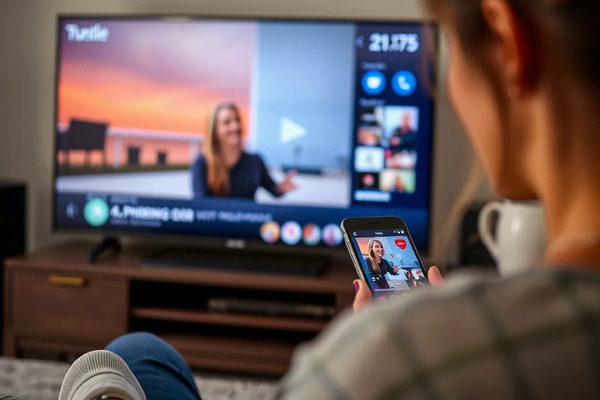
For example, imagine you publish a video about how to plan a month of content as a small creator. That single video can be used for posts such as a short video on avoiding burnout, a carousel on content buckets, a community poll on posting times, and even a quick clip about your planning template. And all these videos must guide the viewer back to your main video seamlessly.
It will allow you to understand which aspect of the topic interests them the most. Maybe your audience reacts more to the planning method than to the productivity advice. Maybe they are more interested in your mistakes than your final system. These reactions are useful because they show what your next video should explore.
Promotion is also a way to listen. Comments, shares, saves, and replies are signals. They tell you whether the idea is clear, whether the title matches the audience’s expectations, and whether the video opens a bigger conversation.
Keep improving the video after launch
Publishing a video does not freeze it forever. You can still improve how it performs. Even the slightest changes may work wonders, especially if the topic has long-term SEO value.
If you get impressions but no clicks on a particular video, you may consider revising its thumbnail or title. And if your viewers start watching the video but leave it quickly, then either there is something wrong with the intro or your promises were empty. If viewers stay but few comment, the video may need a stronger question or call to action.
This is where creators should look at YouTube Studio with a calm mind. The numbers are there to guide decisions. They are not a personal judgment. A weak click through rate may simply mean the packaging does not match the idea. A drop in the first 30 seconds may mean the opening needs to get to the point faster next time.
I also like updating descriptions when a video starts getting search traffic. Provide useful links, outline your video better, and make sure the first couple of lines explain the benefits of watching the video. Connect the video to other uploads about the same topic.
Create a promotion plan you can always use
The most effective system is that which can be sustained through time. Lots of content creators have created elaborate systems for promoting their video or two, and never used them again because the entire procedure was just too complicated. It’s much more beneficial to develop a streamlined approach which can be applied on a regular basis.
Take advantage of promotion as another tool to develop your content creation process. The video itself is the primary element here, while the discussion will help the proper audience find it. By planning ahead, creating an agenda before publication, repurposing important moments, and analyzing the results, every upload is given additional chances of success.
There aren’t too many cases when YouTube success is achieved due to one viral post. Usually, it takes solid positioning, proper packaging, high-quality content, and a promotion approach that takes audience into account. For smaller content creators, such approach is the key to going from posting in an empty space to having a channel worth coming back to.