Badminton may look like a recreational sport from the outside, but anyone who has played seriously for two hours knows the reality.
It is intense.
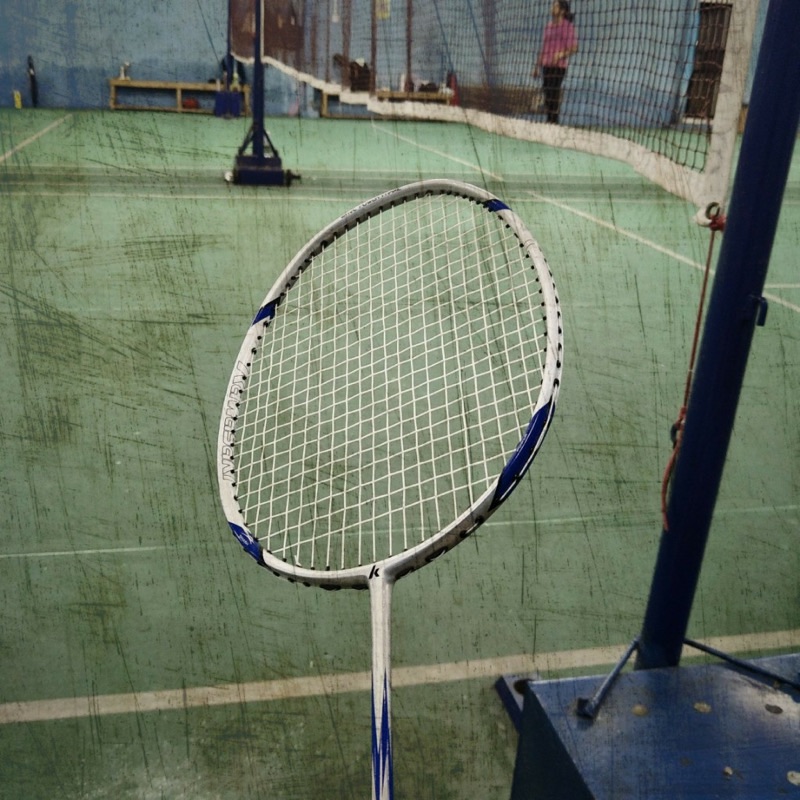
The body is constantly accelerating, stopping, lunging, jumping, and reacting within seconds. A long badminton session demands stamina, hydration, muscle endurance, and sustained energy output. And all of this depends heavily on one thing most players overlook:
Nutrition timing.
For vegetarian players especially, balancing carbohydrates, protein, hydration, and digestion becomes extremely important because the body needs enough energy without feeling heavy during play.
The right meal at the right time can completely change:
- Energy levels
- Stamina
- Recovery
- Muscle soreness
- Mental sharpness during the game
What the Body Needs During Badminton
A two-hour badminton session primarily relies on:
- Glycogen (stored carbohydrates) for energy
- Electrolytes for hydration balance
- Protein for muscle recovery
- Stable blood sugar levels for focus and endurance
If meals are mistimed, energy crashes happen quickly.
Too much food before playing causes sluggishness. Too little food leads to fatigue and reduced reaction time.
The goal is balance.
The Ideal Main Meal Timing Before Playing
The best time for a proper pre-badminton meal is usually:
2.5 to 3 hours before the session.
This gives the body enough time to digest comfortably while still maintaining energy availability during play.
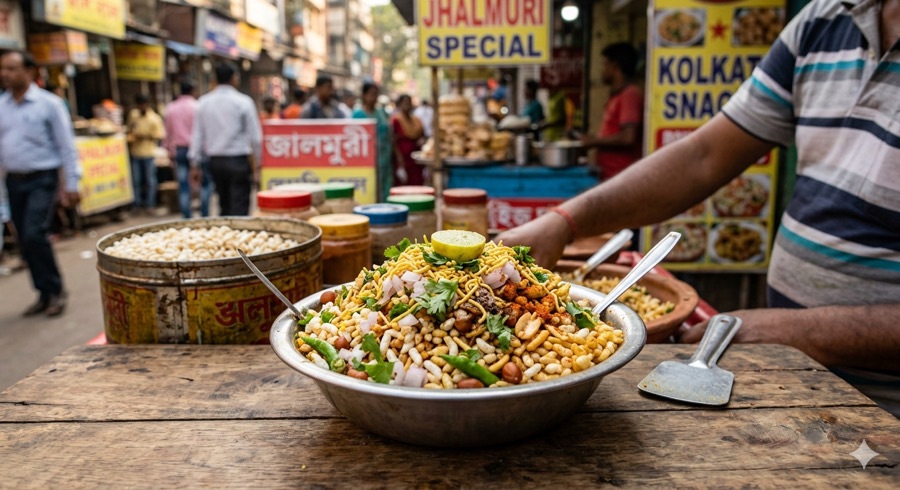
The meal should focus on:
- Moderate carbohydrates
- Light protein
- Low oil and heavy fats
- Easy digestion
For vegetarians, ideal options include:
- Rice with dal and vegetables
- Chapati with paneer and light sabzi
- Idli with sambar
- Oats with curd and fruits
- Poha with peanuts
- Khichdi with yogurt
The portion should feel satisfying, not overly filling.
A useful rule:
Eat until you feel about 75–80% full.
Overeating before badminton often reduces agility and comfort on court.
What to Eat 30–60 Minutes Before Playing
If there is a long gap between the main meal and the game, a small energy snack helps maintain stamina.
This should be light and quickly digestible.
Good options include:
- Banana
- Dates
- Small peanut butter sandwich
- Handful of raisins
- Coconut water
- Small fruit bowl
The goal here is not a full meal.
It is energy support.
Avoid:
- Fried foods
- Heavy dairy
- Excessively spicy food
- Sugary desserts
- Carbonated drinks
These often lead to bloating, sluggishness, or energy crashes during long rallies.
Hydration Before the Match Matters Deeply
Many players begin hydrating only during the game.

That is too late.
Hydration should begin throughout the day itself. Around 500–700 ml of water in the 1–2 hours before badminton usually helps the body start properly hydrated.
For very intense sessions or hot weather:
- Coconut water
- Lemon water with a pinch of salt
- Electrolyte drinks in moderation
can help maintain mineral balance.
Proper hydration improves:
- Endurance
- Recovery
- Reflexes
- Muscle function
Even mild dehydration affects performance noticeably.
What Happens During a 2-Hour Session
A long badminton session steadily depletes:
- Stored glycogen
- Fluids
- Electrolytes
This is why players often feel sudden exhaustion in the second hour if nutrition is poor.
During the session itself:
- Sip water regularly
- Avoid drinking too much at once
- Take small hydration breaks between games
If intensity is very high, quick natural sugars like banana slices or dates during a break may help sustain energy.
The Critical Recovery Window After Playing
The first 30–60 minutes after badminton are extremely important.
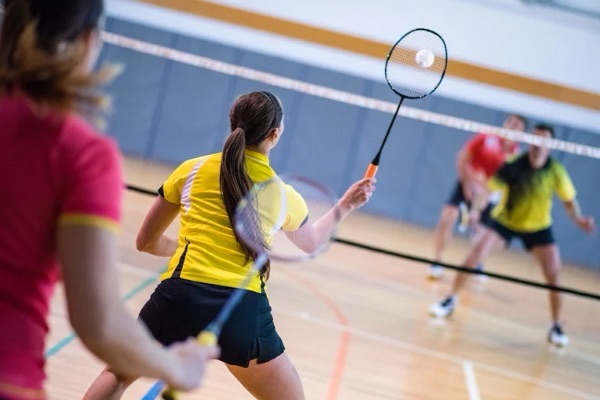
This is when the body absorbs nutrients most efficiently for recovery.
The focus after playing should be:
- Rehydration
- Glycogen replenishment
- Muscle recovery
For vegetarian players, combining carbohydrates and protein is essential.
Excellent post-badminton options include:
- Banana shake
- Paneer sandwich
- Protein smoothie
- Rice with dal
- Curd rice
- Moong chilla
- Sprouts with vegetables
- Tofu or paneer bowl
The body needs both:
- Carbohydrates to restore energy
- Protein to repair muscle fibers stressed during play
How Much Protein Should Vegetarians Aim For?
Many vegetarian athletes unknowingly under-consume protein.
After a long badminton session, aiming for roughly:
15–25 grams of protein post-workout
supports proper recovery.
Good vegetarian protein sources include:
- Paneer
- Greek yogurt
- Tofu
- Lentils
- Milk
- Soy products
- Protein shakes if required
Recovery nutrition determines how fresh the body feels the next day.
Dinner Timing After Evening Badminton
For evening players, dinner should ideally be:
- Light
- Protein-supported
- Not excessively oily
Heavy late-night meals reduce recovery quality and sleep efficiency.
A balanced dinner after badminton may include:
- Chapati with dal and vegetables
- Paneer and rice
- Soup with protein-rich sides
- Light khichdi with curd
The body recovers during sleep.
Good nutrition improves that recovery.
The Mistake Many Players Make
One common mistake is assuming sports automatically compensate for poor eating habits.
A two-hour badminton session burns substantial energy, but recovery still depends on nutrition quality. Consistent under-fueling leads to:
- Fatigue
- Muscle soreness
- Reduced stamina
- Poor consistency
- Higher injury risk
Performance is not built only on court.
It is built around the court too.
A Final Thought
Badminton is a sport of rhythm, speed, and endurance.
And nutrition quietly supports all three.
The right meal timing does not just improve performance. It improves recovery, consistency, and the overall enjoyment of the game itself.
For vegetarian players, thoughtful food choices can easily provide all the energy and recovery support needed — when timed properly.
Because the body performs best not when it is overloaded…
…but when it is prepared well.