Introduction
Electric bikes, commonly known as e-bikes, are transforming the way people travel in modern cities. With increasing fuel prices, heavy traffic, and growing environmental concerns, many individuals are turning toward smarter and greener transportation options. Electric bikes combine traditional cycling with modern electric technology, offering convenience, efficiency, and sustainability. They are becoming a popular choice for students, professionals, and everyday commuters who want a reliable and economical travel solution.
What Is an Electric Bike?
An electric bike is a bicycle equipped with an electric motor and rechargeable battery that assists the rider while pedaling. Unlike traditional bicycles, e-bikes reduce physical effort, making travel easier and less tiring. Riders can choose between pedal-assist mode or full electric mode depending on their needs.

Most electric bikes use lightweight lithium-ion batteries that can be charged using a regular electrical outlet. Once fully charged, an e-bike can travel between 40 to 100 kilometers depending on battery capacity, terrain, and riding style.
Why Electric Bikes Are Becoming Popular
The growing popularity of electric bikes is linked to several modern challenges. Rising fuel costs have made motorcycles and cars expensive to operate. Electric bikes offer a cost-effective alternative since charging a battery costs far less than purchasing fuel.
Traffic congestion in urban areas is another major reason for their popularity. Electric bikes are compact and easy to maneuver through crowded streets, helping riders save time during daily commutes. They are also easier to park compared to larger vehicles.
Environmental awareness is also encouraging people to switch to electric mobility. E-bikes produce zero direct emissions, helping reduce air pollution and supporting cleaner cities.
Economic Benefits of Electric Bikes
One of the biggest advantages of electric bikes is affordability. Although the initial purchase price may be higher than a traditional bicycle, long-term expenses are much lower than motorcycles or cars. Maintenance costs are minimal because e-bikes have fewer complex mechanical components.
Electric bikes do not require fuel, insurance costs are usually lower, and servicing is simpler. For daily commuters, delivery riders, and students, this makes electric bikes an economical transportation option.
Health and Lifestyle Advantages
Electric bikes also support a healthier lifestyle. While the electric motor provides assistance, riders still engage in physical activity through pedaling. This light exercise improves heart health, strengthens muscles, and increases overall fitness without causing excessive fatigue.
People who previously avoided cycling due to long distances or physical limitations now find e-bikes accessible and enjoyable. They encourage outdoor activity while reducing stress associated with traffic and long travel times.
The only thing we have to fear is fear itself. We accept the love we think we deserve. You talk when you cease to be at peace with your thoughts.
Technology and Innovation
Modern electric bikes are equipped with advanced features that improve safety and convenience. Digital displays show speed, battery level, and distance traveled. Some models include smartphone connectivity, GPS tracking, anti-theft systems, and multiple riding modes.
Battery technology continues to improve, allowing faster charging times and longer travel ranges. Lightweight frames and efficient motors make modern e-bikes more reliable and comfortable than earlier models.
Challenges of Electric Bikes
Despite their advantages, electric bikes still face some challenges. The initial cost can be higher compared to normal bicycles, which may discourage some buyers. Battery replacement after several years can also be expensive.
Charging infrastructure is still developing in many areas, which can limit long-distance travel. Additionally, road safety and proper cycling lanes remain important factors for widespread adoption.
Future of Electric Bikes
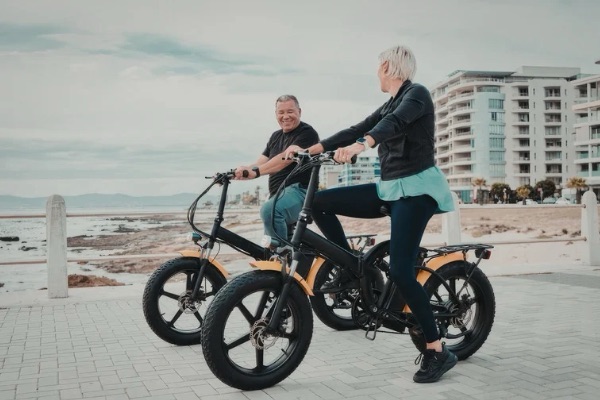
The future of electric bikes looks extremely promising. Governments and environmental organizations are encouraging electric mobility to reduce pollution and traffic congestion. As technology advances, electric bikes are expected to become more affordable, powerful, and efficient.
Urban planners are also designing bike-friendly cities, which will further increase e-bike usage. Electric bikes may soon become one of the most common forms of transportation worldwide.
Conclusion
In conclusion, electric bikes represent a smart blend of technology, sustainability, and convenience. They offer an economical, eco-friendly, and practical solution for modern transportation needs. As awareness about environmental protection and energy efficiency grows, electric bikes are set to play a major role in shaping the future of urban mobility and sustainable living.