From Punjab to the World: How IIT Ropar’s iHub-AWaDH Is Scripting India’s Deep-Tech Revolution

This article is authored by Prof. Pushpendra Singh, Project Director; Dr Radhika Trikha, Chief Executive Officer; Dr Mukesh Kestwal, Chief Innovation Officer; (IIT Ropar, iHub – AWaDH)
India’s deep-tech story has long been one of borrowed technology — solutions imported from the US, Israel, China, and Europe. That story is changing. Across sectors as varied as water treatment, agriculture, space, robotics, and semiconductors, India is shifting from adopting global technology to creating it. One of the clearest examples of this shift is unfolding not in Bengaluru or Delhi, but in Punjab.
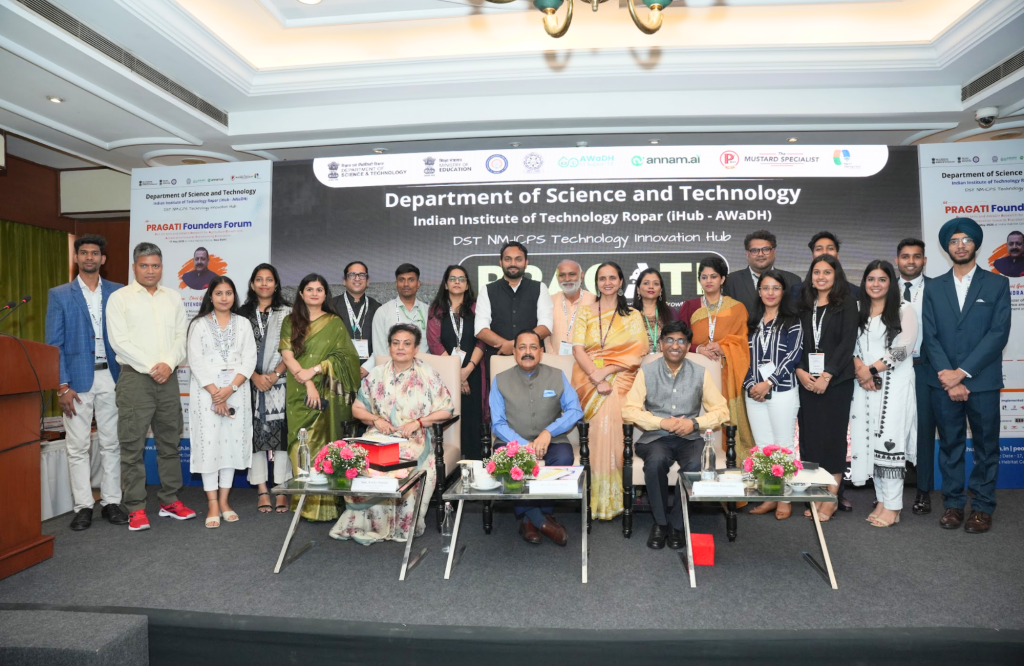
At IIT Ropar, the Technology and Innovation Foundation known as iHub-AWaDH, set up under the Department of Science and Technology’s National Mission on Interdisciplinary Cyber-Physical Systems (NM-ICPS) has grown into one of India’s leading deep-tech innovation hubs. It brings together cyber-physical systems, AI, IoT, robotics, agriculture and livestock science, and nanotechnology to turn frontier research into technologies and companies that can compete globally.
The Hub also has received support from various other ministries, including Startup India, MSME, MeiTY, Ministry of Education, Ministry of Minority Affairs, India AI, and others; as well as from corporate including ICICI, HDFC, Oppo, Realme, Sygneta, and others.
Taken together, iHub-AWaDH’s impact goes far beyond numbers. The Hub has incubated and invested in 190+ deep-tech startups, deploying over ₹17 crore through its internal fund, while its portfolio has raised ₹120+ crore in external funding and achieved a cumulative valuation exceeding ₹1,800 crore. It has also established 30 CPS Labs across 12 states, built a network of 200+ partners, including 45+ venture capital firms, and enabled technologies to reach five countries. From Punjab, IIT Ropar’s iHub-AWaDH is demonstrating that India’s next wave of deep-tech innovation can emerge beyond the metros and translate into globally relevant technologies, successful startups, and international partnerships.
Punjab’s Quiet Rise as an Innovation Hub
For years, India’s deep-tech narrative has centred on Bengaluru, Hyderabad, Pune, and the Delhi-NCR region. That is changing as innovation spreads into Tier-II and Tier-III cities Visakhapatnam, Jaipur, Dehradun, and now Ropar.
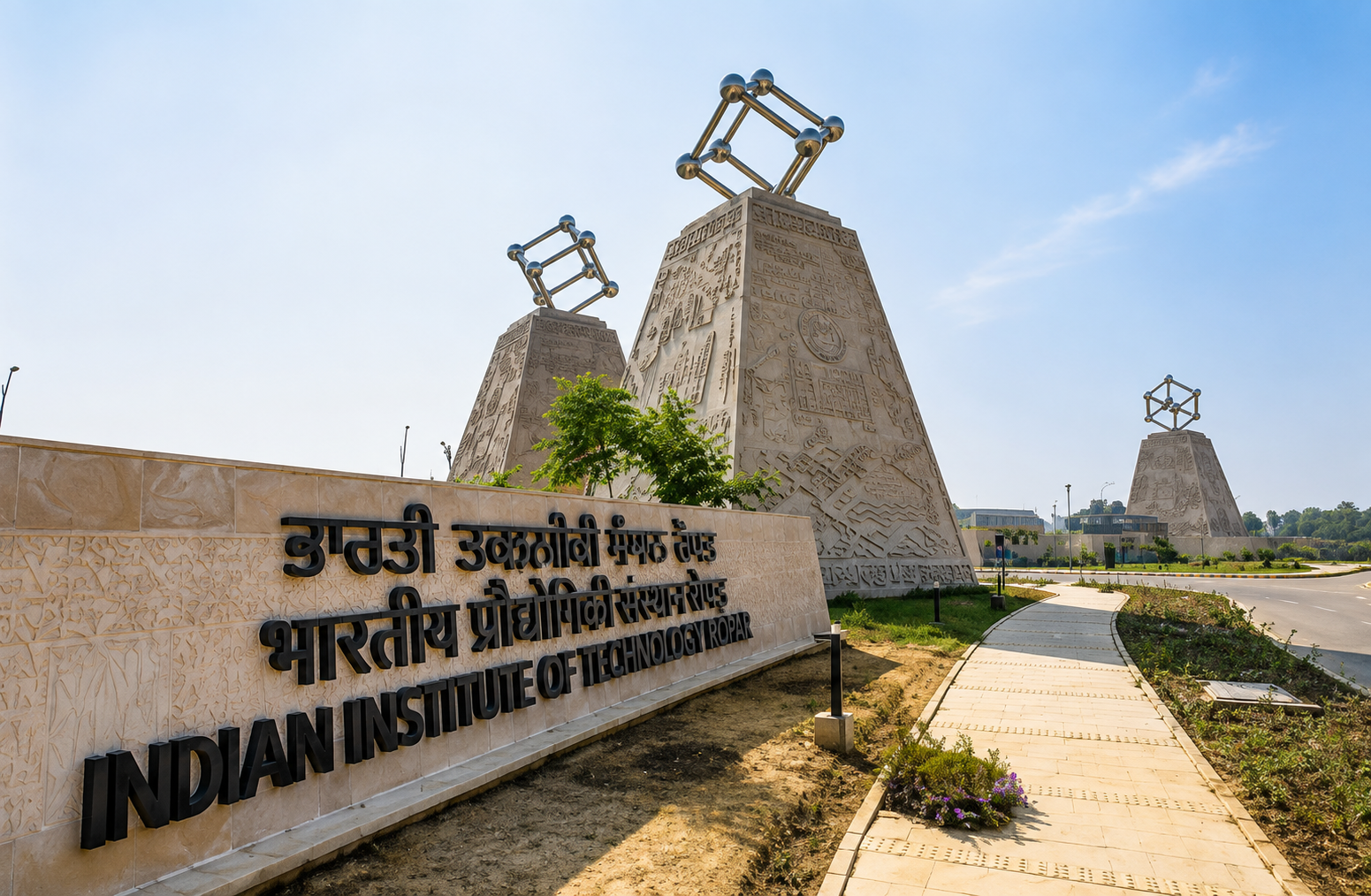
Once known mainly as the Indus Valley Civilization excavation site, the Ropar Wetland town, Ropar in Punjab, is emerging as a centre for grassroots deep-tech innovation, particularly in agriculture and water technology, as research institutions, startups, farmers, and industry converge around IIT Ropar.
The institute’s 3I3P framework : Innovation, Investment, and Implementation, built on a foundation of Policy, Process, and Program ; has been held up as a model for how new institutional hubs can drive national impact, and was recently featured in the Department of Science and Technology’s Dream 2047 annual report.
Building Deep-Tech for Real-World Problems
iHub-AWaDH’s innovation portfolio is deliberately weighted toward the challenges of the Global South. Close to a third of its innovations (32.4%) focus on Agricultural Automation and Information Systems, data-driven farming, climate resilience, and resource management. Its commercialised IoT-enabled Tipping Bucket Rain Gauge, accurate to within 2%, is one commercial success supporting precision irrigation and climate monitoring.
Another 28.4% of the portfolio addresses stubble management and urban farming, tackling air quality, biomass use, and sustainable urban food production. Cyber-physical systems and IoT infrastructure, embedded intelligence, telemetry, and sensor networks account for 17.6%, while water treatment and resource management, including nanobubble remediation and real-time quality monitoring, make up 12.2%.
A further 8.1% goes toward intelligent agriculture technologies addressing biodiversity, pest surveillance, livestock monitoring, and food quality, with the remaining areas exploring frontier sectors such as advanced materials.
The flagship product of this agriculture-and-biodiversity push is the AI-enabled IoT-based Digital Entomologist, a solar-powered biodiversity sensor that autonomously detects, counts, and classifies insect species. It is now deployed at 30+ locations across India, the US, Germany, France, Switzerland, and Australia, and has been accepted as a New Work Item under ITU-T Study Group 20 of the International Telecommunication Union, putting an IIT Ropar innovation at the table for global standard-setting on AI-enabled environmental monitoring.
This research-to-product pipeline is supported by a hands-on skilling network: 30 CPS Plug-and-Play Laboratories across 12 states and union territories, each equipped with 24 modular experiment kits, prototyping and testing tools, letting students in polytechnics and engineering colleges build and validate their own ideas under the NEP 2020 “learn by doing” model.
A Startup Ecosystem, By the Numbers
The scale of this work now shows up in hard numbers. iHub-AWaDH’s ecosystem supports more than 190 startups, which have together generated over ₹100 crore in revenue and a cumulative valuation exceeding ₹1,800 crore. The hub itself has generated over ₹25 crore in institutional revenue, backed by a network of 220+ ecosystem partners and 40 investment partners, and has trained over 400 faculty and staff across its 30 CPS labs.
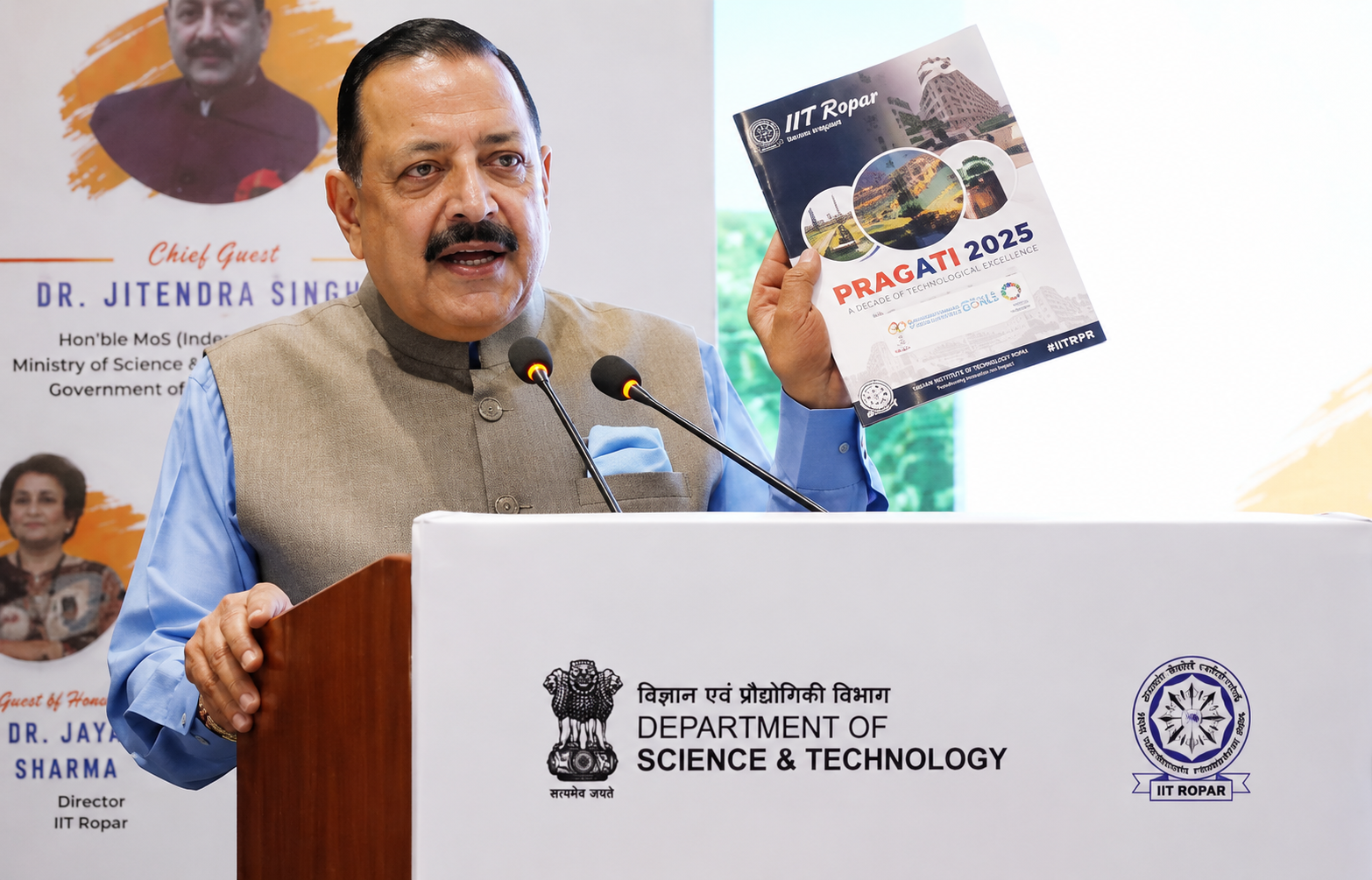
That growth has been driven by a set of flagship programs, each targeting a different stage of the startup journey; some of them includes:
SAMRIDHI: an investment-driven acceleration program offering up to ₹50 lakh per startup; four editions have supported 39 startups with over ₹12 crore in combined investment, drawing recognition from the Prime Minister’s Office.
SPRINT: non-dilutive proof-of-concept grants of up to ₹25 lakh; 14 editions across 11 states have supported 74 startups with over ₹4 crore in grants.
PRAGATI: a CSR-backed agritech accelerator with Puri Oil Mills and MeitY Startup Hub, offering blended capital of up to ₹25 lakh.
WATER Innovation Challenge: HDFC Parivartan-backed grants of up to ₹1.30 Crore; eight startups have received funding, mentoring, and core support for pilot projects.
Startup India Seed Fund Scheme: a government seed funding initiative unsee Startup India, that has supported 32 startups with ₹5 crore.
MeitY GENESIS and ASAP: targeted grants and growth capital up to ₹10 lakh in EIR grant for ICT innovators and sustainability-focused ventures.
Operation Dronagiri: a national geospatial initiative, anchored by IIT Tirupati alongside supported by IIT Ropar (iHub – AWaDH), IIT Kanpur (SIIC), IIT Bombay (SINE), and IIM Calcutta (Research Park) as GIA for funding startups in drone and satellite-based technologies with up to ₹50 lakh investment per startup and a total program support of above ₹15Cr.
AWaDH Sustainability Accelerator Program: a unique investment-driven program with the VC community, having anchor partner Seafund for and mentoring support through FactoryAl
Going Global
Beyond India, iHub-AWaDH has built a set of international corridors to help its startups reach global markets. The Global Micro-Accelerator Program, run with Reichman University and the Embassy of Israel in India, has taken Indian deep-tech founders through venture-building and fundraising sessions with international mentors, including ESG specialists from Dubai-based ESGweise.
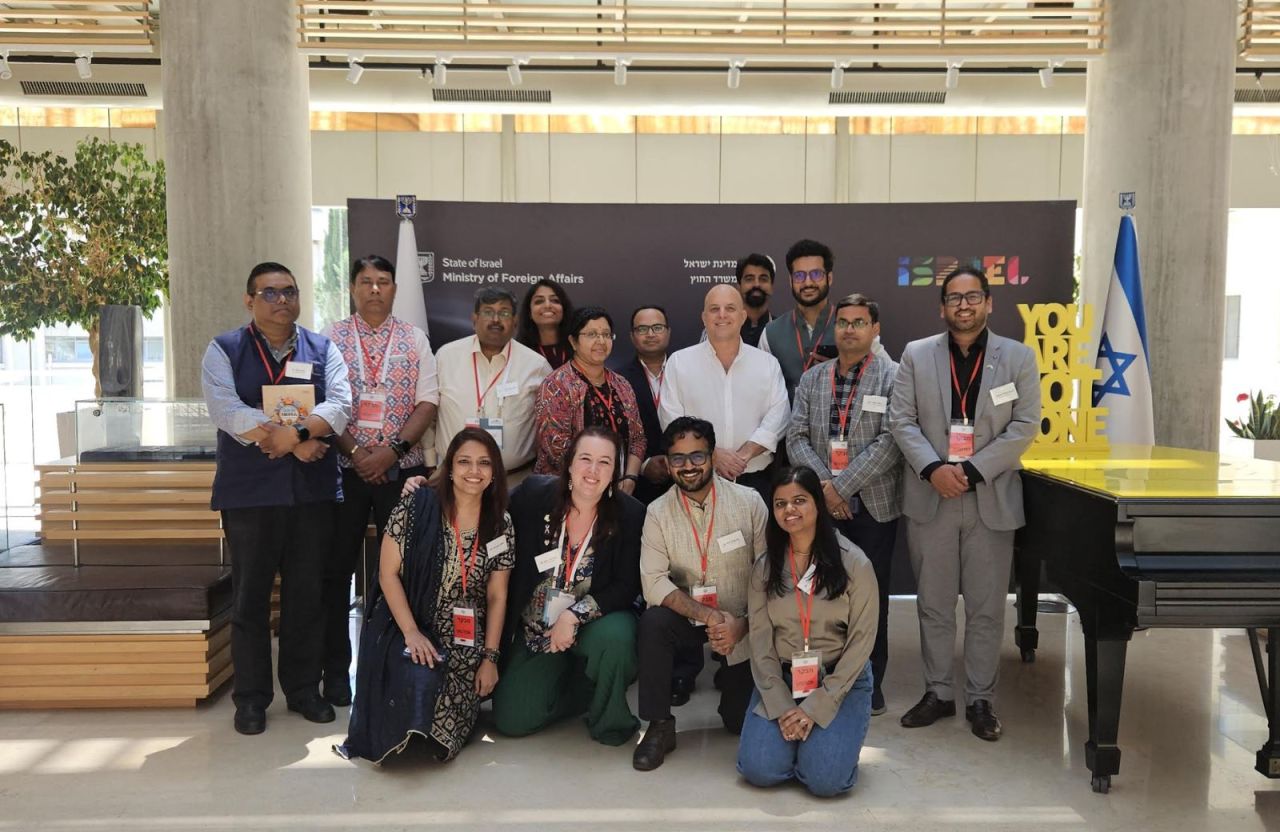
A related 10-day immersion visit to Israel hosted by Embassy of Israel in India gave direct exposure to leadership team of IIT Ropar, of institutions including Reichman University, Holon Institute of Technology, LinkedIn Israel, Microsoft Israel, , Netafim, milab – Media Innovation Lab TAU Ventures, Unistream, Velocity, The Kitchen Hub, InNegev, Israel Innovation Institute, RUNI Ventures, Tel Aviv Medical Center Sheba Medical Center, and others.
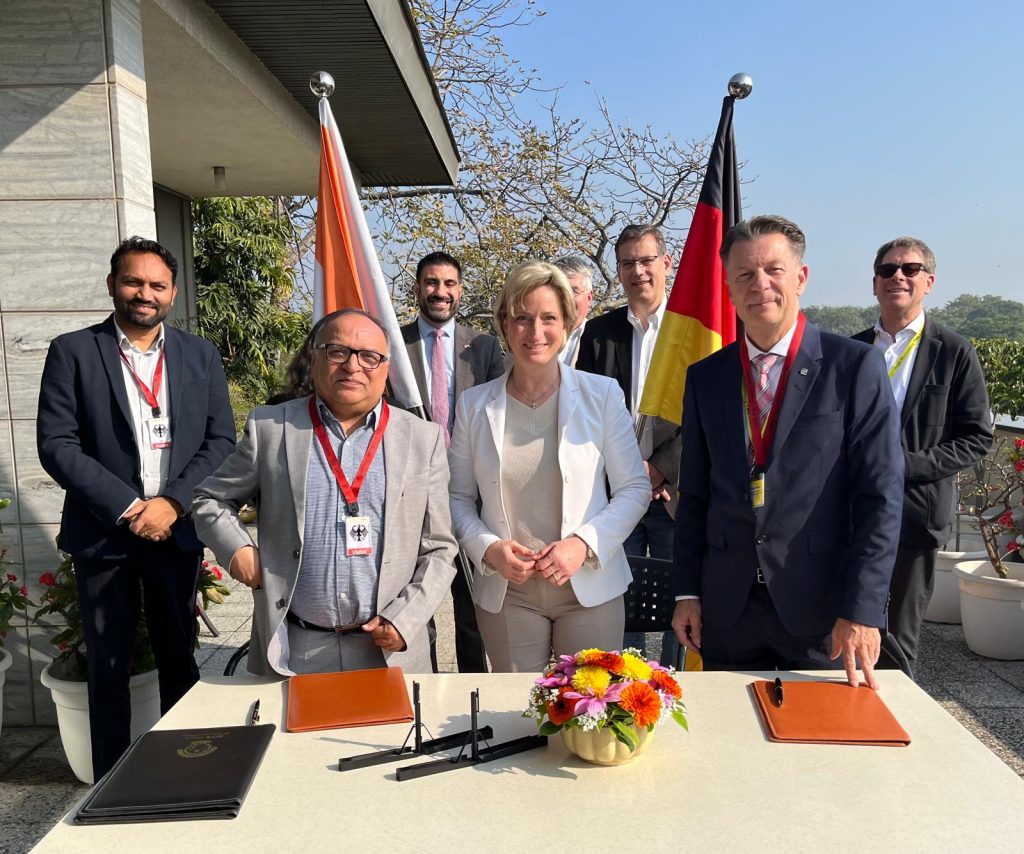
IIT Ropar has also signed an MoU with Germany’s Fraunhofer Institute for Interfacial Engineering and Biotechnology for joint research, and run knowledge-exchange programs with Canada (the Indo-Canadian Symposium on AI for Food, Energy and Health) and Korea (the Korean Entrepreneurship Exchange Program).
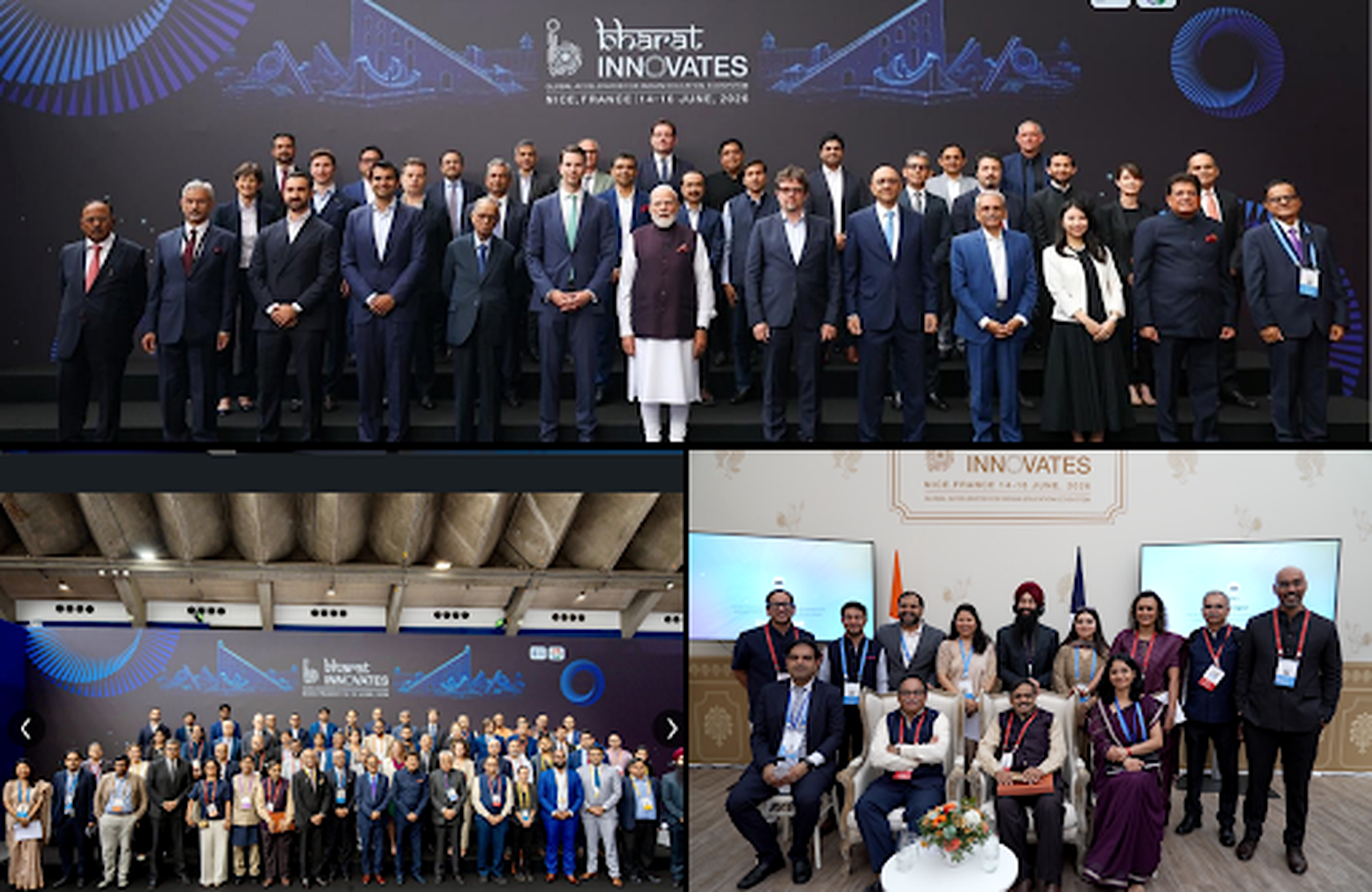
The clearest showcase of this global push was Bharat Innovates 2026, a Ministry of Education initiative held in Nice, France, from 14-16 June 2026, which brought together 120+ deep-tech startups and 20+ academic institutions across 13 emerging technology sectors. The IIT Ropar ecosystem, iHub-AWaDH, the ANNAM.AI Foundation, was leading the Agritech and Foodtech thematic vertical out of 13 emerging themes selected by the MoE and leading the Industry-Innovation Bridge, signed new MoUs with Link Innovations, Syngenta Global, and Dassault Systèmes. Two of its own technologies, the AI-enabled IoT Biodiversity Sensor and the CPS Plug-and-Play Laboratory, were among just 45 higher-education innovations selected for exhibition.
Recognition and Wider Impact: Success Story of AWaDH and Startups
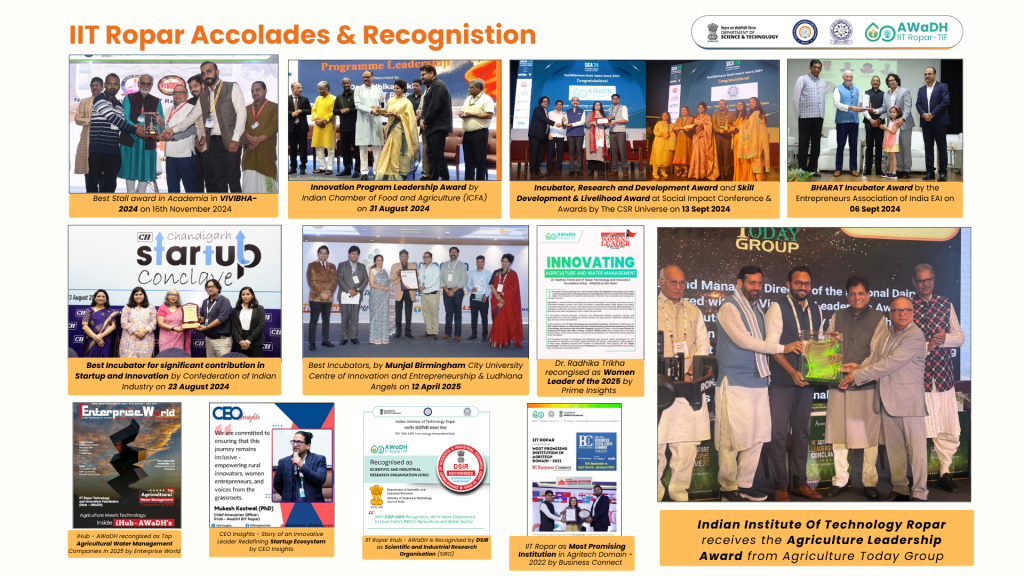
The strength of IIT Ropar’s innovation ecosystem is reflected in the national and international recognition it has earned.
iHub – AWaDH has earned widespread recognition for its excellence in innovation, entrepreneurship, research, and technology commercialization. The institute has received prestigious honors, including the VIVIBHA 2024 Best Stall Award; the Innovation Program Leadership Award by the Indian Chamber of Food and Agriculture (ICFA); the BHARAT Incubator Award by the Entrepreneurs Association of India(EAI); the Agriculture Leadership Award by Agriculture Today Group; the leading startup incubator by CII and Munjal Birmingham City University, and many others.
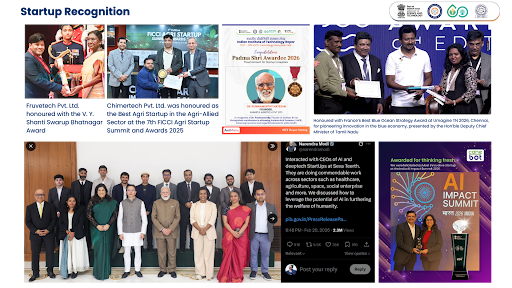
The credibility of this ecosystem shows up in the awards its startups have collected. AniMeta Agritech’s co-founder, Dr. Punniamurthy Natesan, received the Padma Shri (2026) for his work on ethno-veterinary medicine that reduces antimicrobial resistance in livestock care. Fruvetech’s founder, Dr. Jagadis Gupta Kapuganti, won the Vigyan Yuva Shanti Swarup Bhatnagar Award at the Rashtriya Vigyan Puraskar 2025 for post-harvest shelf-life technology that works without cold-chain infrastructure.
Other portfolio companies have picked up recognition across categories: ScaNxt and Innogle Technologies won Blue Ocean Strategy Awards at Umagine TN 2026; Inphlox Water Systems was selected as the sole Indian company for Phase II of the Gates Foundation’s Next Generation Sanitation Systems initiative, alongside recognition from Forbes, the World Economic Forum and Global Water Intelligence; Nanokriti won the L&T Future Tech Aqua Hackathon 2025 among 118 competing startups; and Chimertech, Innow8, Ayushman Cowfit and several others have picked up sector awards, Innovation Forge received tax exemptions under startup category..
The hub’s impact also reaches younger students. Partnerships with realme India and OPPO India have set up school tinkering and innovation labs, six planned with realme and 10 already running with OPPO, with 10 more in the pipeline, giving school students early, hands-on exposure to robotics, IoT, and cyber-physical systems.
The Bigger Picture
iHub-AWaDH’s experience offers a simple lesson: deep-tech succeeds when institutions work together. Research creates new ideas. Government missions such as NM-ICPS support technologies at a stage where private capital usually stays away. Innovation hubs help researchers build products and companies. Investors, industry, and CSR partners bring market access, customers, and growth. Each contributes something different, and progress happens when these pieces connect.
This is what AWaDH’s leadership calls the 3I3P framework: Innovation, Investment, and Implementation, supported by the right Policy, Process, and Program. Innovation creates technologies with commercial potential. Investment helps them cross the difficult path from lab to market. Implementation ensures they solve real problems at scale. None of these can work in isolation, and the supporting policy, institutional processes, and mission-driven programmes provide the foundation on which the ecosystem runs on.
Research projects have become startups. Startups have attracted investment. Products developed in Punjab are now reaching farmers, industries, and international partners, and every successful collaboration has opened the door to the next: new labs, new startups, stronger partnerships, wider adoption. If this 3I3P approach is replicated across India’s innovation ecosystem, the country stands to gain many more centres like iHub-AWaDH, each converting local research into globally relevant technology, competitive enterprises, and long-term economic value.
That, scaled nationally, is what Viksit Bharat by 2047 asks of India’s innovation ecosystem.
Acknowledgement:
We acknowledge the valuable discussions and inputs from Prof. Pushpendra Singh, Project Director; Dr Radhika Trikha, Chief Executive Officer; Dr Mukesh Kestwal, Chief Innovation Officer; (IIT Ropar, iHub – AWaDH) and members of the iHub-AWaDH team during the preparation of this article with the editor of iU.