
Upgrade Your Ride With Better Cycling Gear
Cycling gear has changed fast. Ten years ago, most riders used the same helmet, the same jersey, and the same pedals for every ride.
Now, gear is built for specific conditions, body types, and riding styles. If your setup hasn’t changed in years, you’re likely losing comfort, speed, and safety without noticing it.
This article breaks down the gear upgrades that actually matter. No filler. Just what works and why.
Why Gear Choice Affects Performance More Than People Think
Every part of your bike setup changes how your body moves. A stiff-soled shoe transfers more power to the pedal. A well-fitted jersey cuts wind drag. Even bar tape thickness changes how much vibration reaches your hands over a long ride.
Riders often blame fitness for a slow or uncomfortable ride. Sometimes the real issue is gear that doesn’t fit the rider or the route. A mountain bike tire on a gravel road will slow you down no matter how strong your legs are. A cotton jersey on a hot day will soak through and chafe within an hour.
If you ride often, fit matters as much as fitness. This is where generic apparel starts to fall short. Off-the-rack jerseys and shorts are cut for an average body, not yours. That’s why more riders and teams are switching to custom cycling apparel, built around actual measurements, riding position, and climate.
A proper fit reduces chafing, improves aerodynamics, and keeps you focused on the road instead of adjusting your shorts every ten minutes.
The Core Gear Categories Worth Upgrading
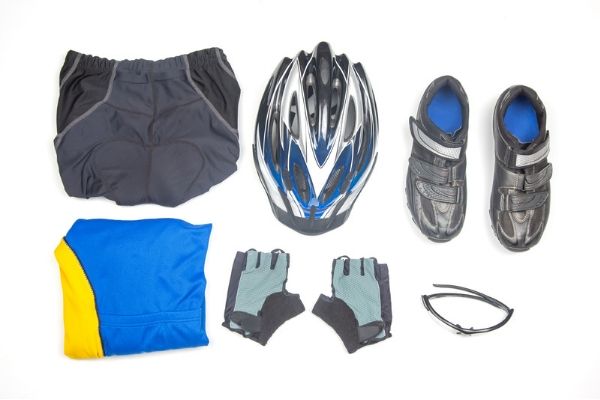
Not every piece of gear needs replacing at once. Focus on the categories that affect comfort and safety directly.
Helmets: Look for MIPS or similar rotational-impact protection. Weight and ventilation matter on long rides.
Shoes and cleats: Stiffer soles improve power transfer. Cleat position affects knee tracking and can prevent long-term joint pain.
Chamois and shorts: A poor chamois causes saddle sores faster than a poor saddle does. Density and stitching placement matter more than price.
Gloves: Padding placement should match your grip pressure points, not just look padded.
Lights and reflective elements: Non-negotiable for early morning or evening rides, even on quiet roads.
Each of these categories has a direct, measurable effect on ride quality. Skipping one to save money usually costs more in discomfort or injury later.
Fit Is Not Optional, It’s Functional
A jersey that’s too loose flaps in the wind and adds drag. A jersey that’s too tight restricts breathing and blood flow. Neither is a small issue over a two-hour ride.
Bike fit specialists have known this for years. It’s why professional teams don’t wear generic kits. Every seam, every panel, and every stitch is placed to match how the rider moves on the bike. Recreational riders can apply the same logic on a smaller scale. A properly sized jersey and shorts combination reduces micro-adjustments during a ride, which keeps your hands on the bars and your eyes on the road.
Cycling Is Growing, and So Is the Gear Market
Gear upgrades aren’t a niche concern anymore. More people are riding than in previous years, and infrastructure investment is following that growth.
Cycling traffic in the US grew by 4.7% in 2025, according to the Eco-Counter Global Cycling Index. That growth means more riders are logging longer distances and riding in more varied conditions, which raises the stakes on gear that actually fits and performs.
More riders on the road also means more competition for good routes and group rides.
Gear that keeps you visible, comfortable, and efficient gives you a real edge, not just a marketing one.
1. Maintenance Matters as Much as the Gear Itself
2. Buying good gear is half the job.
3. Maintaining it is the other half.
4. Wash chamois shorts after every ride to prevent bacterial buildup.
5. Replace helmets after any hard impact, even if there’s no visible damage.
Check cleat wear every few months. Worn cleats affect pedal release and can cause falls.
Store shoes away from direct heat to prevent sole warping.
Skipping maintenance shortens the lifespan of gear that’s supposed to last for years. It also increases the odds of gear failing exactly when you need it most, mid-ride, far from home.
Final Thoughts
Better gear doesn’t replace training. It removes the friction that gets in the way of training. A properly fitted jersey, a stiff-soled shoe, and a helmet that actually fits your head will do more for your riding experience than another expensive component upgrade.
Start with the basics. Fix what doesn’t fit. Replace what’s worn out. Then build from there.