For years, technology was accused of pushing people apart.
More screens.
More scrolling.
Less real conversation.
But something fascinating has begun happening in recent years — especially in India’s startup ecosystem.
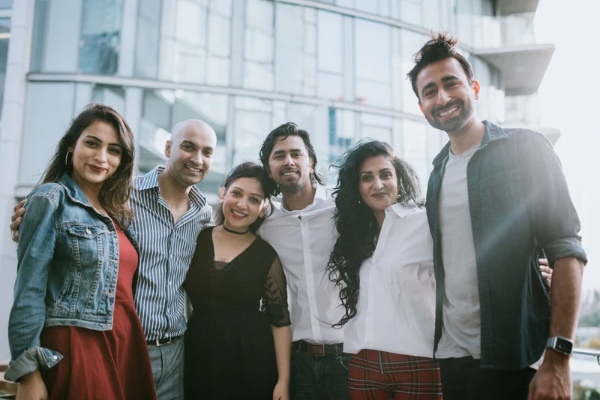
A new generation of startups is now using technology to bring people back together.
Not virtually alone.
But physically, socially, and emotionally.
From hobby-based communities and sports gatherings to networking circles and hyperlocal meetups, Indian startups are quietly rebuilding something modern urban life had begun losing:
Human connection.
And in 2026, this space is growing faster than ever.
1. Playo – Turning Sports Into Social Communities
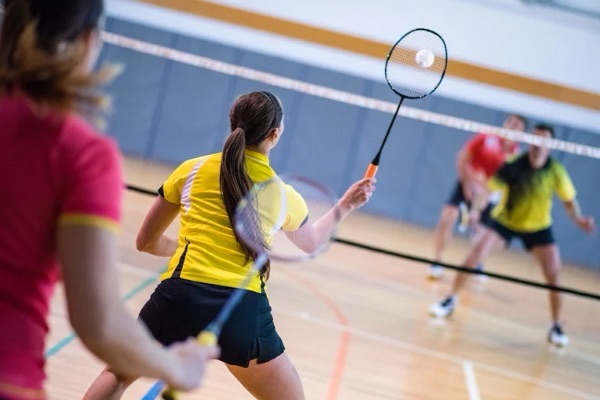
Playo began as a sports discovery and booking platform, but over time it evolved into one of India’s strongest community-driven recreational ecosystems.
What made Playo powerful was not just court booking.
It solved a bigger problem:
Finding people to play with.
Badminton, football, cricket, cycling, running — Playo helped strangers with shared interests become teammates, fitness partners, and often friends. In urban India, where adults frequently struggle to build social circles beyond work, this became incredibly valuable.
The platform quietly transformed sports into social infrastructure.
2. Misfits – Building Real-World Communities Around Shared Interests
Misfits emerged as one of the most interesting community-first startups in India’s social ecosystem.
Instead of focusing on followers or digital engagement, Misfits focused on experiences and meetups centered around curiosity, creativity, entrepreneurship, and culture.
The startup gained attention for helping people discover:
- Offline gatherings
- Creator communities
- Thought-driven events
- Social experiences beyond nightlife
In many ways, it represented a shift away from algorithm-driven interaction toward intentional community building.
3. Frnd – Regional Social Networking With Human Connection
FRND approached social networking differently by focusing heavily on regional language users and audio-first interaction.
Launched to reduce the superficiality often associated with traditional social media, the platform encouraged real conversations, friendships, and social discovery across India’s non-English-speaking audiences.
What made it stand out was accessibility.
It recognized that India’s next wave of social connection would come not only from metro cities, but from deeper regional participation.
4. Sorted – Blending Shared Activities With Community Discovery
Sorted became increasingly popular among younger urban audiences seeking activity-driven social experiences.
Rather than simply connecting people randomly, the platform focused on shared activities:
- Fitness sessions
- Wellness gatherings
- Hobby-based events
- Casual meetups
- Interest-led communities
This reflects a broader shift in modern socializing.
People are no longer only looking for networking.
They are looking for belonging.
And belonging forms faster through shared activity than forced interaction.
5. Lokal – Hyperlocal Communities and Regional Social Discovery
Lokal started as a hyperlocal information platform but gradually evolved into a deeper regional community ecosystem.
Its growth highlighted something important about India:
Local identity still matters deeply.
By helping users engage around city-specific updates, jobs, classifieds, and local discussions, Lokal enabled digital communities that often translated into real-world interaction and neighborhood-level networking.
In smaller cities especially, hyperlocal social ecosystems are becoming increasingly influential.
6. Grapevine – Professional Networking Beyond LinkedIn Formality
Grapevine represents a newer wave of professional community startups in India.
Focused heavily on startup employees, tech professionals, founders, and operators, Grapevine created spaces for anonymous discussions, meetups, networking, and career-focused conversations.
Unlike highly polished professional platforms, Grapevine felt more conversational and community-driven.
This authenticity helped it grow rapidly among younger professionals seeking honest interaction and peer networks.
Why This Trend Is Growing So Fast
The rise of these startups reflects a deeper societal shift.
Urban India is becoming:
- More digitally connected
- More professionally demanding
- More individually isolated
People today often have hundreds of online connections but very few meaningful social circles nearby.
This gap created demand for platforms that help people:
- Meet around shared interests
- Build offline friendships
- Participate in communities
- Experience belonging again
Technology, interestingly, is now being used to reverse some of the loneliness it once amplified.
The Business of Human Connection
Community-driven startups are also becoming serious businesses.
Investors increasingly recognize that:
- People stay longer where they feel connected
- Communities improve engagement
- Offline experiences create loyalty
- Shared identity builds retention
In many ways, modern startups are learning that attention is valuable…
…but belonging is priceless.
What the Future Looks Like
By the late 2020s, India’s social and meetup ecosystem is likely to evolve even further through:
- AI-powered interest matching
- Hyperlocal community discovery
- Sports and wellness networking
- Creator-led micro communities
- Offline-first social platforms
The next generation of successful social startups may not be those that maximize screen time.
But those that help people spend meaningful time together offline.
A Final Thought
Perhaps the most beautiful part of this movement is what it says about people.
Despite all technological evolution, humans still seek the same things:
Connection.
Conversation.
Shared experiences.
Community.
And these startups are succeeding not because they invented those needs…
…but because they understood them.
In a world becoming increasingly digital, they reminded people of something timeless:
Sometimes, the best networks are still built face-to-face.