Traveling alone sounds thrilling until something goes wrong in an unfamiliar city. Most travelers spend hours picking flights and hotels but barely think about the dangers waiting quietly in the background.
The truth is that solo trips carry risks that rarely show up in glossy travel blogs. Understanding them beforehand can mean the difference between a memorable adventure and a frightening ordeal you never saw coming.
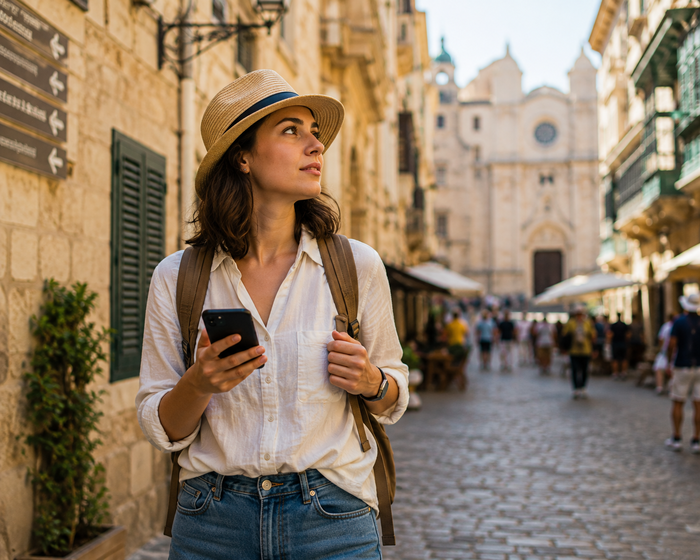
Scams Target Solo Travelers Specifically
Con artists know exactly who to look for, and a traveler standing alone with a map or phone is an easy mark. Groups intimidate scammers because there are more eyes watching for suspicious behavior.
A lone tourist, however, often seems distracted, unsure of the surroundings, and less likely to fight back or call for help. That combination makes solo travelers a favorite target for pickpockets, fake taxi drivers, and street vendors running rigged games.
Before your trip, research common scams specific to your destination. Every region has its own tricks, and knowing them in advance helps you recognize warning signs instead of falling for a polished performance.
Medical Emergencies Become Complicated Fast
When you travel with a companion, someone notices if you suddenly feel unwell or collapse. Alone, that safety net disappears, and a manageable health issue can quickly become a life threatening situation.
Many travelers never check whether their health insurance covers care abroad, or whether the destination has reliable hospitals nearby. This gap in planning leaves them stranded, confused, and paying enormous fees during an already stressful moment.
Before leaving, look up the nearest hospital to where you are staying and save the number for local emergency services. A single phone note could save precious time if a crisis strikes.
Nobody Knows Where You Actually Are
Family and friends usually assume you are safe simply because you posted a nice photo online. But a photo says nothing about your real location, your plans, or who you are currently with.
This gap becomes dangerous quickly. If a traveler disappears or stops responding, loved ones often have no starting point for where to look or who to contact for help.
Sharing a simple daily itinerary with someone you trust closes this gap. A short message noting where you are headed next gives others a real trail to follow if something feels wrong.
Accommodation Safety Gets Overlooked
Booking platforms show beautiful photos, but they rarely reveal how safe a property actually is behind the scenes. A traveler might book a stunning room without realizing the wiring or plumbing hasn’t been properly maintained in years.
This becomes dangerous fast. Imagine reaching for a light switch or plugging in a charger and suddenly feeling a jolt of electricity surge through your hand from faulty wiring nobody warned you about.
There you are on the floor, dazzled and mindlessly Googling “electrocuted at hotel what to do,” instead of calling the front office for help.
Before checking into anywhere, save the property’s front desk number and the local emergency line directly in your phone contacts. If a crisis happens, call for help immediately instead of searching for answers alone.
Transportation Choices Carry Hidden Risk
Grabbing whatever taxi appears first feels convenient, especially after a long flight when exhaustion clouds judgment. Unfortunately, unlicensed drivers sometimes target tired, disoriented tourists who are unfamiliar with fair pricing or safe routes.
A driver might take a longer route, overcharge dramatically, or in rare cases pose a genuine physical threat. Solo travelers face heightened vulnerability here because there is no second person to question unusual behavior.
Rideshare apps with tracking features offer a safer alternative in many cities. Always share your trip status with someone before stepping into any vehicle, especially late at night.
Cultural Misunderstandings Can Escalate Quickly
Every culture has unspoken rules about behavior, dress, and conversation topics that outsiders may not immediately recognize. A traveler who unknowingly breaks these norms might attract unwanted attention or even hostility from locals nearby.
This risk grows for solo travelers because there is no companion to offer a quiet warning or step in in an awkward moment. Small misunderstandings can spiral quickly without someone there to help smooth things over.
Spend time before your trip reading about local customs, gestures, and appropriate clothing. This preparation helps you blend in respectfully instead of standing out as an obvious target.
Digital Security Gets Ignored Until It’s Too Late
Public wifi networks in airports, cafes, and hotels feel harmless, but many are unsecured and easy for hackers to exploit. A traveler checking banking apps on open networks unknowingly hands sensitive information to strangers nearby.
Beyond hacking, oversharing location tags on social media tells criminals exactly where you are and, worse, exactly when your home sits empty. This combination creates risk on two fronts at once.
Using a virtual private network protects your data on public networks. Waiting to post vacation photos until after you return home protects both your physical safety and your empty residence.
Mental Health Struggles Intensify Without Support
Loneliness during solo travel catches many people off guard, especially during long stretches between destinations or after a disappointing experience. Without a companion to talk things through, small frustrations can grow into genuine emotional distress.
Anxiety, homesickness, and even panic can surface unexpectedly, particularly in unfamiliar environments where nothing feels predictable or comfortable. Travelers rarely plan for this possibility, assuming excitement will simply outweigh any difficult emotions.
Building small routines, like a daily journal entry or scheduled call home, can offer stability. Recognizing that these feelings are normal helps prevent them from overwhelming an otherwise wonderful trip.
Preparation Makes the Difference
None of these risks should discourage anyone from traveling solo. Millions of trips happen safely every year, and preparation is usually what separates a smooth journey from a stressful one.
Research destinations thoroughly, share your plans with someone reliable, and trust your instincts when something feels off. Solo travel offers incredible freedom, and a little extra caution helps protect that freedom rather than limit it.
The goal isn’t to travel in fear but to travel informed. Understanding these overlooked risks means you can focus on what solo travel does best: showing you the world on your own terms, safely and confidently.