Planning a wedding involves bringing together several details at once, from choosing the venue and finalising the guest list to arranging décor, photography, entertainment and food. Among these, catering deserves particular attention because it directly affects the experience of almost every guest.
For families planning a pure vegetarian wedding in Bangalore, the catering decision involves more than selecting a menu. The food needs to suit the occasion, the guest list and the family’s preferences, while the catering team needs to manage preparation, service and logistics smoothly throughout the event.
This is where an experienced catering partner can make the planning process easier. Swaad Caterers specialises in pure vegetarian catering and works with families to create menus and service arrangements suited to different types of celebrations.
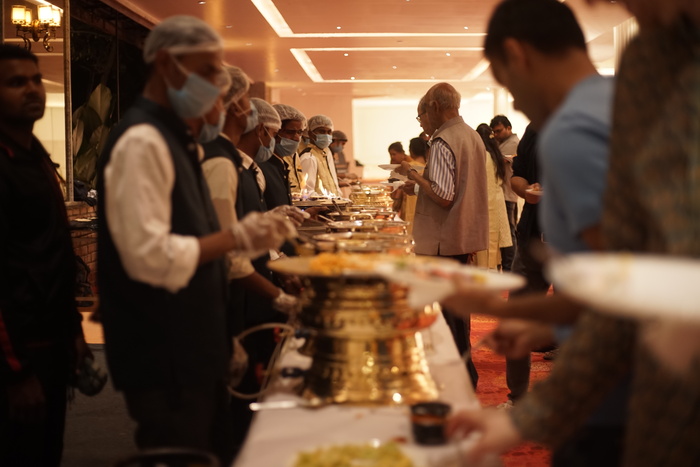
Start by Understanding the Wedding You Want to Create
Before discussing individual dishes, think about the overall character of the wedding. Is it a traditional South Indian wedding? A contemporary celebration? An intimate family gathering? A large reception with guests from different parts of the country?
These decisions can influence almost every aspect of the catering.
A traditional wedding may call for a structured South Indian meal, while a modern reception may be better suited to a buffet with multiple cuisines, starters, live counters and desserts.
The catering should complement the character of the celebration rather than feel like a separate element.
Catering Services Bangalore: Planning Beyond the Menu
When looking at catering services Bangalore families have several options, but a wedding catering arrangement involves considerably more than choosing dishes.
The catering team may need to coordinate:
- Menu planning
- Ingredient procurement
- Food preparation
- Transportation
- Kitchen setup, where required
- Buffet or dining setup
- Serving staff
- Food replenishment
- Tableware and equipment
- Cleanup
This is why it is useful to involve the caterer early in the wedding-planning process.
Discussing the venue, guest count and event schedule in advance gives the catering team a clearer understanding of what will be required.
Plan the Menu Around Your Guests
A wedding menu should reflect both the occasion and the people attending it. A guest list may include grandparents, children, young adults, relatives from different regions and friends with different food preferences.
Trying to create a separate dish for everyone can quickly make a menu unnecessarily large. Instead, focus on creating a balanced spread with familiar favourites and enough variety to accommodate different tastes.
For a pure vegetarian wedding, this could include traditional South Indian preparations alongside selected North Indian dishes, regional specialities, starters and desserts.
The goal is to create a menu that feels generous without becoming repetitive.
Keep Traditional Favourites at the Centre
Food often carries a strong emotional connection at weddings.
Certain dishes may be associated with family traditions, regional celebrations or memories of previous weddings.
For a South Indian wedding, traditional preparations can therefore play an important role in creating the right atmosphere.
Rather than replacing traditional dishes with contemporary options, families can retain the preparations that matter most to them and introduce a few newer choices around them.
This creates a menu that feels familiar while still offering something different to guests.
Choose the Right Service Format
The way food is served can significantly influence the guest experience. A traditional banana leaf meal creates a very different experience from a buffet.
With a banana leaf meal, guests remain seated while the catering team serves the different preparations in a particular sequence. This can work particularly well for traditional ceremonies.
A buffet gives guests greater freedom to choose what they want and how much they want. It can be particularly useful for receptions where guests have varied food preferences.
Some families may even choose different formats for different wedding functions.
Understanding the differences between banana leaf meals and buffet catering can help you decide which format works best for each part of the celebration.
Consider the Number of Guests Carefully
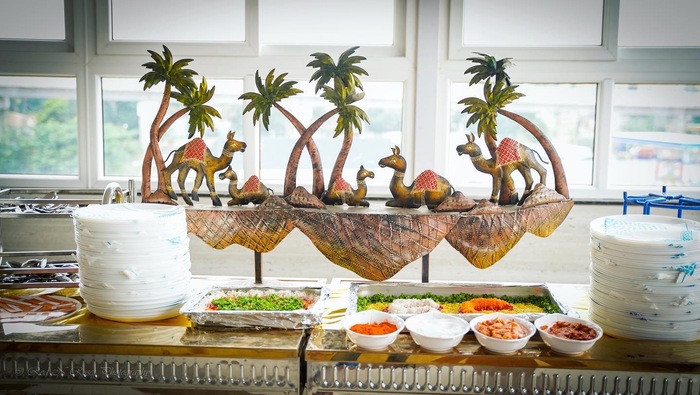
The guest count is one of the most important factors affecting wedding catering. A function for 150 guests and a wedding for 1,000 guests require very different levels of preparation, staffing, equipment and coordination.
Try to provide the caterer with the most realistic estimate possible and discuss what happens if the final number changes.
It is also useful to separate the expected guest count for each function if you are planning a multi-day wedding.
This allows the catering team to plan food quantities and staffing more accurately.
Plan for More Than the Main Wedding Meal
A wedding may involve several food requirements beyond the main ceremony or reception.
Depending on the schedule, you may need catering for:
- Breakfast
- Lunch
- Dinner
- Evening snacks
- Welcome beverages
- Pre-wedding functions
- Post-wedding gatherings
- Meals for close family members
When preparing your catering budget, account for each of these separately.
This can prevent additional meals from becoming unexpected expenses later in the planning process.
If you are working out your overall allocation, understanding how to plan a catering budget can help you organise the different meal and service requirements before finalising the arrangements.
Give Your Caterer Enough Time to Plan
Wedding catering involves considerably more preparation than simply cooking food on the day.
The caterer may need time to understand the menu, estimate quantities, arrange ingredients, plan staffing and coordinate with the venue.
This becomes even more important during busy wedding seasons when popular catering teams may already have several events scheduled.
If you have not yet finalised your catering partner, understanding how early you should book a pure veg caterer can help you plan your timeline more realistically.
Discuss Venue Logistics Early
The venue can affect how the catering operation is organised.
Before finalising the catering setup, discuss:
- Kitchen access
- Food preparation arrangements
- Loading and unloading areas
- Buffet location
- Dining space
- Guest movement
- Electrical requirements for equipment
- Water availability
- Waste disposal
- Cleanup arrangements
A venue that looks ideal from a guest’s perspective may still present practical challenges for the catering team.
Discussing these details early gives everyone time to find workable solutions.
Consider the Experience of the Catering Team
For a wedding, catering experience matters because the team may need to serve hundreds of guests within a limited period.
The caterer should be able to manage food preparation, service and replenishment without compromising consistency.
Swaad Caterers, which specialises in pure vegetarian catering, works across different types of events and can tailor menus and service arrangements around the requirements of the occasion.
For families, this means the catering conversation can cover not only the food but also the practical requirements involved in delivering it at the venue.
Keep the Menu Flexible Where It Matters
Families often have specific dishes they want included in the wedding menu.
At the same time, there may be opportunities to adjust the menu based on guest preferences, budget or availability.
Rather than treating the menu as fixed from the beginning, discuss where flexibility is possible.
You may decide to:
- Replace a dish with a family favourite
- Add a traditional preparation
- Reduce repetitive dishes
- Introduce a different dessert
- Adjust the number of starters
- Offer a second cuisine for the reception
- Create different menus for different functions
This approach can make the final menu feel more personal.
Think About Service Alongside Food Quality
A wedding menu can be excellent on paper, but the dining experience also depends on how efficiently it is served.
Guests should not have to wait excessively for popular dishes, struggle to find a place at the buffet or encounter empty serving counters.
The catering team should therefore consider service staff, counter placement, replenishment schedules and guest movement.
These details may not be obvious when selecting a menu, but they can have a significant effect on the overall experience.
Keep the Budget and Menu in Balance
A larger menu is not necessarily a better menu.
Adding more dishes can increase the cost while making preparation and service more complicated.
Instead, prioritise the elements that matter most to your wedding.
If traditional food is important, allocate more of the budget to those dishes. If guests value variety, consider a few well-chosen additions rather than expanding every section of the menu.
The right balance depends on your priorities, guest count and overall wedding budget.
Final Thoughts
Wedding catering involves much more than selecting a list of dishes.
The guest count, type of celebration, menu, service format, venue, budget and event schedule all need to work together.
For families planning a pure vegetarian wedding in Bangalore, starting the catering discussion early can make it easier to build a menu that reflects the occasion while ensuring that the practical side of food service is also taken care of.
Working with an experienced caterer such as Swaad Caterers can help bring these different requirements together, from menu selection and service format to guest count and venue considerations.
With the right planning, the catering can become more than just another wedding arrangement. It can become one of the parts of the celebration that guests remember long after the event is over.