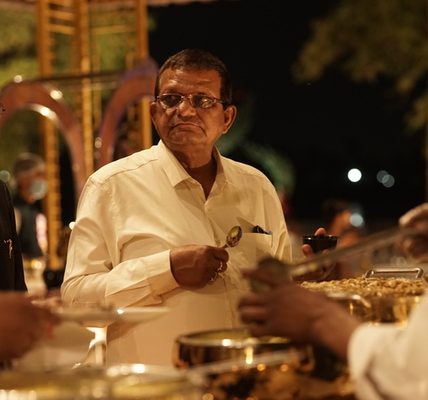
A wedding menu has to satisfy a surprisingly diverse group of people. Children may prefer familiar flavours, younger guests may look for variety, parents may appreciate traditional favourites, and older family members may prefer dishes that are lighter and easier to enjoy. Trying to accommodate everyone does not necessarily mean creating an enormous menu. It is more about finding the right balance between familiarity, variety and tradition.
For families planning a vegetarian wedding, menu planning becomes an opportunity to bring different preferences together around the same dining experience. With a little thought given to the age groups, meal format and type of celebration, it is possible to create a menu that feels generous without becoming overwhelming.
Here are some practical considerations when designing a wedding menu for guests of all ages.
Start With the Nature of the Wedding
Before deciding on individual dishes, think about the kind of wedding you are hosting.
A traditional South Indian wedding, an evening reception, an intimate family ceremony and a large multi-day celebration may all require very different menus.
The time of day also matters. A breakfast menu can be lighter and simpler, while a wedding lunch may allow for a more elaborate spread. An evening reception may lend itself to a combination of starters, main-course options and desserts.
The menu should therefore reflect the occasion rather than simply trying to include as many dishes as possible.
Think About Different Age Groups
A useful way to begin is to consider what different groups of guests are likely to enjoy.
Children
Children often prefer familiar dishes and milder flavours. A menu does not necessarily need a separate children’s section, but including a few recognisable options can make the meal more comfortable for younger guests.
Simple rice preparations, mild curries, familiar breads, sweets and other approachable dishes can work well.
Young Adults
Younger guests may be more interested in variety and presentation. They may appreciate interesting starters, contemporary interpretations of vegetarian dishes, live counters or desserts that offer something different from the traditional spread.
This does not mean traditional dishes need to be removed. They can be balanced with a few newer or less familiar options.
Parents and Middle-Aged Guests
This group often appreciates a combination of traditional favourites and variety. Familiar South Indian dishes, well-prepared staples and a few additional choices can make the menu feel complete without becoming excessive.
Older Guests
Older family members may prefer dishes they are familiar with, particularly at traditional weddings. Lighter preparations, comfortable spice levels and well-known regional dishes can be valuable additions. The aim is not to create four different menus for four age groups. Instead, choose dishes that collectively offer something for everyone.
Create a Balance Between Familiar and New
One of the easiest ways to make a wedding menu appealing to different generations is to combine familiar favourites with a few dishes that offer something different.
For example, a traditional South Indian meal can retain staples that guests expect while introducing a couple of interesting starters or dessert options.
This approach works better than trying to make every dish innovative.
At a wedding, food often has an emotional element. Guests may look forward to dishes they have eaten at family celebrations for years. Removing every traditional favourite in favour of newer food trends can therefore make the menu feel less connected to the occasion.
Don’t Make the Menu Too Large
There is a common assumption that a larger menu automatically creates a better guest experience. That is not necessarily the case.
When there are too many dishes, guests may not be able to meaningfully enjoy everything. There can also be greater food wastage, more complicated preparation and increased catering costs.
Instead, think about the role each dish plays. If two dishes offer very similar flavours or serve the same purpose, consider whether both are actually necessary.
A carefully selected menu can feel more abundant than a long list of dishes that do not work well together.
Plan the Starters Carefully
Starters are particularly useful when catering to a mixed-age audience because they provide an opportunity to introduce variety without changing the entire main course.
You could consider having a combination of:
- A familiar favourite
- A regional vegetarian preparation
- A mildly spiced option
- A more contemporary starter
- One lighter option
The objective is to give guests some choice while keeping the selection manageable.
The number of starters should also depend on the rest of the menu. If the main course and dessert spread are already extensive, adding too many starters may simply increase the volume of food without adding much value.
Pay Attention to Spice Levels
Spice preferences can vary considerably within the same family. Some guests may enjoy bold flavours, while children and older guests may prefer milder preparations.
This does not mean that every dish needs to be bland. A better approach is to create variety in the flavour profile and provide accompaniments that allow guests to adjust their meal according to their preference.
For a large wedding, it is particularly useful to think about how accessible the overall menu will be rather than designing it entirely around one family’s preferred spice level.
Don’t Forget Texture and Variety
A balanced menu is not only about having different dishes. It should also offer different textures and types of preparation.
A spread could include:
- Crisp starters
- Soft or creamy preparations
- Rice-based dishes
- Lentil-based dishes
- Vegetable preparations
- Fresh accompaniments
- Cooling curd-based dishes
- Traditional sweets
- Contemporary desserts
This makes the meal feel more varied even when the overall menu is relatively focused.
Give Traditional Dishes Their Place
Wedding food is often connected to family traditions, regional cuisine and memories. For many families, a particular sweet, rice preparation or traditional dish may be an essential part of the celebration.
When planning a vegetarian wedding menu, it is therefore worth identifying the dishes that have cultural or family significance before adding newer options.
This also helps prevent a common problem: spending too much of the menu budget on trendy additions while leaving out the dishes guests were actually looking forward to.
Consider the Meal as a Complete Experience
A wedding menu should be evaluated as a whole rather than dish by dish. For example, if you already have several rich starters and elaborate main-course preparations, adding multiple heavy desserts may make the meal feel excessive.
Similarly, if the main course is predominantly traditional South Indian food, a carefully selected contemporary dessert or starter may provide enough variety without changing the character of the meal.
Think about how the dishes will follow one another.
Starter → Main Course → Accompaniments → Dessert
Each part should complement the next.
Plan Around the Service Format
The way food is served can also influence how you design the menu.
A banana leaf meal has a different rhythm from a buffet. With a traditional meal, the sequence and portions are part of the experience. With a buffet, guests have more freedom to choose what they want.
If you are considering different formats, it is useful to understand the practical differences before finalising the menu. For a broader comparison, banana leaf meals vs buffet catering can help you think through which format is more appropriate for your wedding.
The service format should ultimately support the kind of experience you want guests to have.
Consider Your Guest List Before Finalising the Menu
Your guest list can offer useful clues about the menu. If the wedding is predominantly made up of extended family and older relatives, traditional dishes may naturally have greater importance.
If there are many young families attending, having familiar options for children may be useful. If the guest list includes people from different regions, incorporating a little more variety could make the menu more inclusive.
The objective is not to predict exactly what every individual guest will eat. It is to create enough variety that different groups can find something they genuinely enjoy.
Work With Your Caterer on the Final Combination
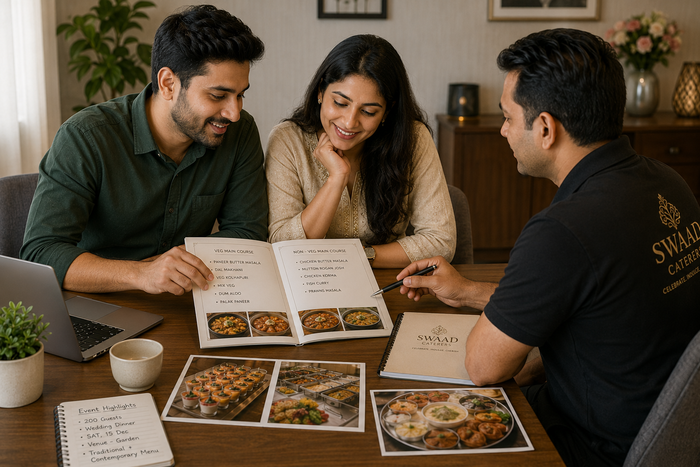
Once you have identified your preferences, discuss the menu as a complete combination with your caterer rather than selecting every dish independently.
An experienced catering team can help identify combinations that work well together, suggest alternatives and point out where the menu may be unnecessarily repetitive. It is also worth considering factors such as the caterer’s experience, menu flexibility, service arrangements and ability to accommodate your guest requirements before making a final decision. These are some of the factors to keep in mind while booking pure veg catering in Bangalore.
One of the top wedding caterers in Bangalore, Swaad Caterers, for example, approaches pure vegetarian catering by considering not only the menu but also the practical requirements involved in serving guests at different types of events.
This kind of discussion can also help you balance variety with preparation requirements, guest count and the overall catering budget.
Keep the Budget in Mind
A diverse menu does not have to mean an expensive menu.
If you are working within a fixed budget, prioritise the dishes that are most important to the occasion and reduce duplication rather than compromising the quality of the entire menu.
The number of guests, number of meals, service format and menu choices can all influence the final catering expense. It is therefore useful to establish the broader budget before making the final menu decisions.
Final Thoughts
Designing a wedding menu for guests of all ages is less about trying to please everyone with dozens of choices and more about creating a thoughtful balance.
Keep traditional favourites that matter to the occasion, add enough variety for younger guests, include approachable options for children and consider the preferences of older family members. Pay attention to spice levels, textures, service format and how the dishes work together as a complete meal.
Most importantly, remember that a memorable wedding menu is not necessarily the longest one. It is the one where guests find food they enjoy, experience flavours that feel appropriate to the occasion and leave the meal feeling satisfied.
For families planning pure vegetarian wedding catering in Bangalore, working closely with an experienced caterer can help turn these considerations into a practical menu that works for the guest list, the occasion and the overall event.