In an age when technology can display the time on almost any screen, non-digital luxury watches continue to hold a distinctive appeal. They offer something beyond convenience: mechanical craftsmanship, timeless design, tactile experiences and the pleasure of owning an object built to last.
India’s luxury watch market is evolving as more consumers explore premium timepieces. Buyers are increasingly interested not only in a brand’s name, but also in its movement, heritage, finishing and design. This is encouraging watchmakers to refine traditional manufacturing techniques while introducing fresh materials, proportions and personalised details.
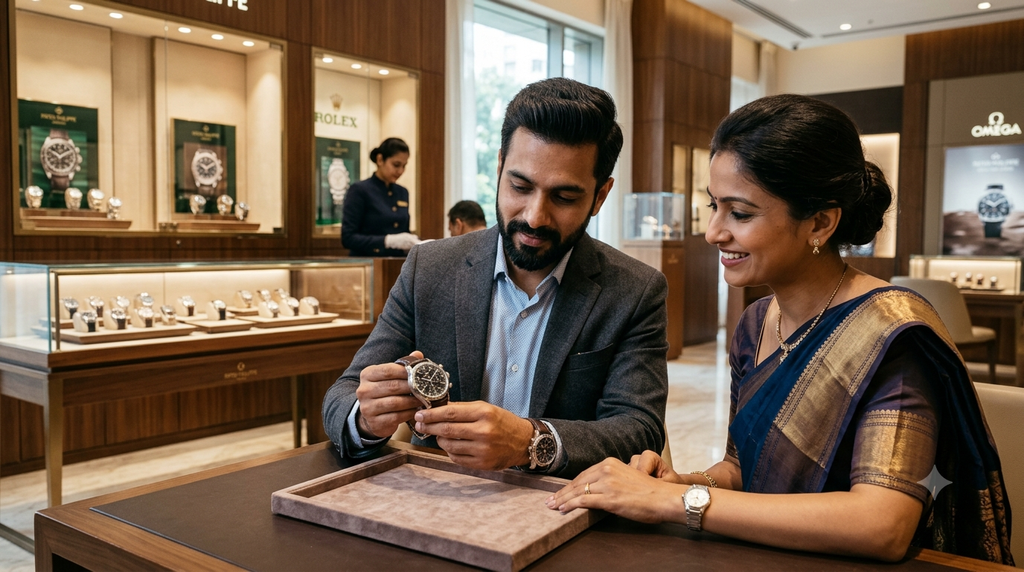
Here are six developments shaping the appeal of non-digital luxury watches among Indian consumers.
1. Mechanical Movements Are Becoming Part of the Attraction
Mechanical watches operate through intricate systems of springs, gears and other precision components rather than digital displays. Automatic movements wind themselves through the motion of the wearer’s wrist, while manually wound watches require periodic winding.
Manufacturers continue to refine these movements for accuracy, reliability, power reserve and ease of servicing. Some luxury models also feature transparent case backs, allowing owners to observe the movement and appreciate the engineering behind it.
For enthusiasts, this creates a connection with the watch that goes beyond checking the time. The movement becomes part of the product’s identity, making traditional watchmaking an attraction in itself.
2. Smaller Cases and Understated Designs Are Gaining Attention
Luxury watch design is moving towards more restrained proportions in several segments. Indian industry reporting in 2026 highlighted growing interest in smaller dials, minimalist styling and less conspicuous displays of luxury.
Manufacturers are responding with compact case sizes, slimmer profiles, cleaner dials and carefully balanced proportions. These designs can work across professional settings, formal occasions and everyday wear.
Black, blue and green dials remain popular choices, while understated metal finishes and simpler hour markers appeal to consumers who prefer versatility over highly decorative designs.
The development also reflects a broader shift in luxury: a watch can communicate taste through its proportions and craftsmanship rather than relying entirely on size or prominent branding.
3. Advanced Materials Are Expanding Design Possibilities
Traditional luxury watches frequently use stainless steel, gold and other precious metals. Contemporary manufacturing has expanded the material palette to include titanium, ceramic and selected high-performance alloys.
Titanium offers a combination of strength and relatively low weight, making it useful for watches designed for extended wear. Ceramic can provide scratch resistance and distinctive finishes, while specialised alloys allow manufacturers to explore different combinations of durability, colour and appearance.
These materials also create new manufacturing challenges. Ceramic components, for example, require specialised processing, while complex case shapes demand precise machining and finishing.
For customers, the result is a wider choice of watches that balance aesthetics, comfort and durability. The material itself increasingly becomes part of the story behind a timepiece.
4. Precision Finishing Is Differentiating Premium Watches
Luxury watchmaking depends not only on the movement but also on the quality of the components surrounding it. Brushed and polished surfaces, precisely cut indices, carefully finished hands and detailed dials all contribute to the final appearance.
Manufacturers combine advanced machining and measurement systems with skilled manual finishing to achieve consistent results. At the higher end, movements may feature decorative techniques such as Geneva stripes, perlage and bevelled edges.
Dial manufacturing is also becoming more expressive, with textured surfaces, layered finishes, sunburst effects and distinctive colour treatments giving watches greater visual depth.
These details may appear subtle at first glance, but they can become significant to buyers who compare watches closely. They also help explain why two watches with similar basic functions can occupy very different price categories.
5. Heritage Designs and Limited Editions Are Creating Stronger Connections
Many watchmakers are revisiting designs from their archives, adapting classic models with contemporary movements, updated materials and improved wearability.
This approach allows brands to retain their historical identity while making their watches relevant to new generations. Vintage-inspired numerals, traditional complications, retro case shapes and historically influenced colour palettes are examples of this direction.
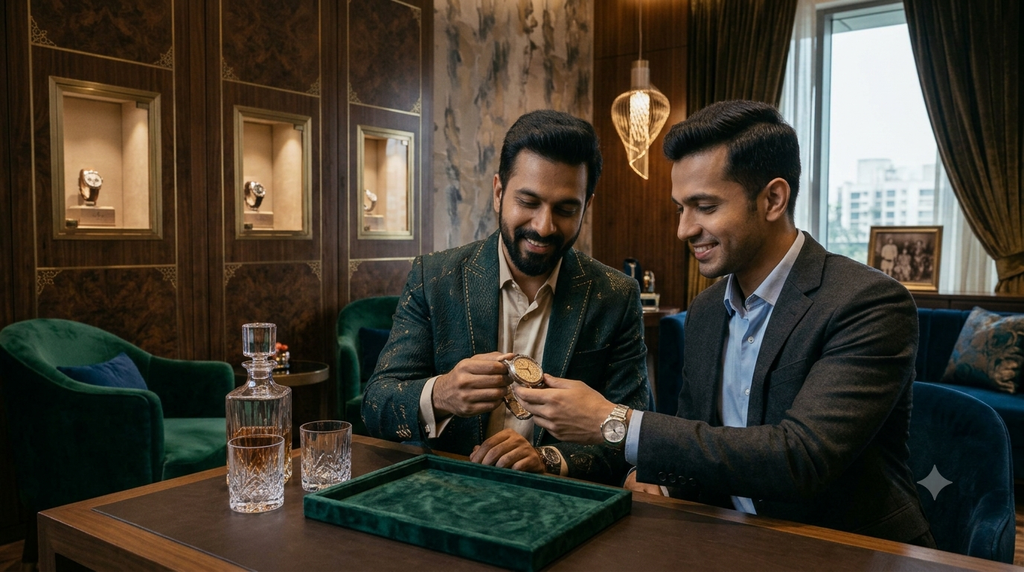
Limited editions add another dimension. Numbered production runs, distinctive dials and collaborations can make a watch feel more individual, although limited availability alone does not guarantee lasting value.
For Indian buyers who are becoming more familiar with watchmaking, these collections offer an opportunity to explore the history and design philosophy behind a brand rather than choosing solely on recognition.
6. Personalisation and Long-Term Serviceability Matter More
Luxury is increasingly associated with individual preference. Interchangeable straps, varied dial colours, bracelet options and different case finishes allow consumers to select watches that reflect their lifestyles.
Some manufacturers and retailers also offer engraving, bespoke details or carefully curated configurations. These options make a timepiece more suitable for personal milestones, anniversaries and family gifting.
At the same time, long-term serviceability remains an important part of ownership. Mechanical watches require periodic maintenance, and access to trained watchmakers, genuine components and authorised service facilities can influence the ownership experience.
A well-maintained luxury watch may remain usable for decades. This potential for longevity distinguishes traditional timepieces from many rapidly changing electronic products, although actual lifespan depends on construction, care and servicing.
Why These Developments Matter for India
India’s growing interest in luxury watches reflects rising purchasing power, wider access to international brands and a more informed consumer base. Industry reporting indicates that younger buyers are exploring premium and mechanical watches, while established collectors continue to value heritage and craftsmanship.
Retail access is also improving, with brands and specialist retailers expanding their presence and giving customers more opportunities to experience watches in person. Digital discovery helps buyers research movements, compare designs and understand the differences between collections before visiting a store.
Price remains an important consideration. Import duties, currency movements, precious-metal costs and brand positioning can all influence the final price paid in India. Buyers should therefore compare specifications, warranties, service arrangements and authorised-retailer credentials rather than treating a higher price as automatic proof of superior quality.
The Enduring Appeal of a Traditional Timepiece
The latest developments in non-digital luxury watches demonstrate how traditional manufacturing can evolve without abandoning its core principles. Refined mechanical movements, innovative materials, detailed finishing, contemporary proportions and personalisation are helping watchmakers appeal to a broader range of customers.
For Indian consumers, the attraction increasingly lies in understanding what makes a watch distinctive: how it is engineered, how it feels on the wrist, how it reflects personal taste and how it can be maintained over time.
A luxury watch is no longer simply an instrument for telling time. For many owners, it is a carefully crafted object that connects design, engineering, personal milestones and the enduring value of skilled workmanship.