One thing I’ve noticed with electric cars is that nobody talks about the tyres until they need replacing.
People will spend hours comparing battery range, charging speeds and electricity tariffs, but the tyres barely get a mention. Then the first replacement quote arrives and suddenly they’re the most interesting part of the car.

I had a conversation with a tyre fitter not long ago who said he’s seeing more EV owners than ever asking the same question:
“Why are these so expensive?”
It’s a fair question.
After all, they look exactly the same as any other tyre from the outside.
Why EV Tyres Are Different
The answer comes down to what an electric car is asking the tyre to do.
Most EVs are heavier than people think. That’s hardly surprising when you’ve got a large battery pack sitting underneath the floor. Add in the instant shove you get every time you pull away from a junction and it’s easy to see why tyres have a tougher life than they do on many petrol cars.
Not every EV chews through tyres, by the way. Driving style makes a huge difference. Someone gently commuting around town will have a very different experience to somebody who enjoys demonstrating the car’s acceleration at every set of traffic lights.
The extra weight means manufacturers often fit tyres with higher load ratings and stronger sidewalls. Then there’s the torque. Unlike a petrol car that gradually builds power, an EV delivers most of it immediately. Great fun from the driver’s seat, but it gives the tyres a proper workout.
It’s Not Just About Wear
Another thing people notice after a few weeks of EV ownership is noise.
Or rather, the lack of it.
Without an engine running away in the background, road noise becomes much more obvious. That’s one reason many manufacturers fit tyres specifically designed for electric vehicles. Some even contain foam inside to help keep things quieter.
Then there’s efficiency.
A tyre that rolls more freely can help squeeze a little more range from the battery. We’re not talking about hundreds of miles, but manufacturers chase every bit of efficiency they can find, and tyres play their part.
Most drivers probably wouldn’t notice the difference during a short journey, but over the course of a year it all adds up.
What Do EV Tyres Cost?
This is usually the point where people start paying attention.
As a rough guide, EV tyres are generally more expensive than equivalent tyres fitted to petrol or diesel vehicles.
[table]
Of course, prices vary depending on the brand and size, but the table gives a reasonable idea of what most UK drivers can expect.
I’ve seen plenty of new EV owners get a bit of a shock when they’re quoted for a full set.
Check the Tyre Size Before You Buy
One thing I would always check on a used EV is the tyre size.
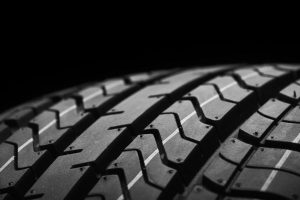
Take a look at the sidewall and you’ll see something like:
235/45 R19 99V
It doesn’t mean much to most drivers, but those numbers matter. They tell you the width, profile, wheel diameter, load rating and speed rating.
I’ve seen cars advertised with the wrong tyres fitted, usually because a previous owner bought whatever happened to be available at the time.
Will the car still drive? Probably.
Is it ideal? Not always.
Using the wrong size can affect handling, ride comfort, efficiency and even speedometer accuracy.
Buying a Used EV? Check the History Too
If you’re buying used, it’s worth spending five minutes checking the original specification and running the registration through a vehicle history check while you’re at it.
Most people focus on battery condition, which is understandable, but I’d also want to know whether there’s any outstanding finance, whether the car has been written off in the past and whether the mileage history looks sensible. That’s the sort of information a simple Reg Check can uncover in a matter of minutes.
A friend of mine nearly bought an electric SUV a couple of years ago. Everything seemed fine until he checked the history later that evening. Finance was still recorded against the vehicle.
It might have been an honest mistake by the seller, but it was enough to make him walk away.
Nine times out of ten it confirms everything is exactly as it should be. The tenth time it can save you from a very expensive problem.
Final Thoughts
As for tyres, they’re probably not the most exciting part of EV ownership.
Until it’s time to buy a new set.
The important thing to remember is that EV tyres aren’t simply standard tyres with a different label attached. They’re designed to cope with more weight, more torque and the extra demands that come with electric driving.
And if you’re buying a used EV, take a few minutes to check both the tyres and the vehicle’s history before committing. It’s a small amount of effort that could save you a lot of money further down the road.